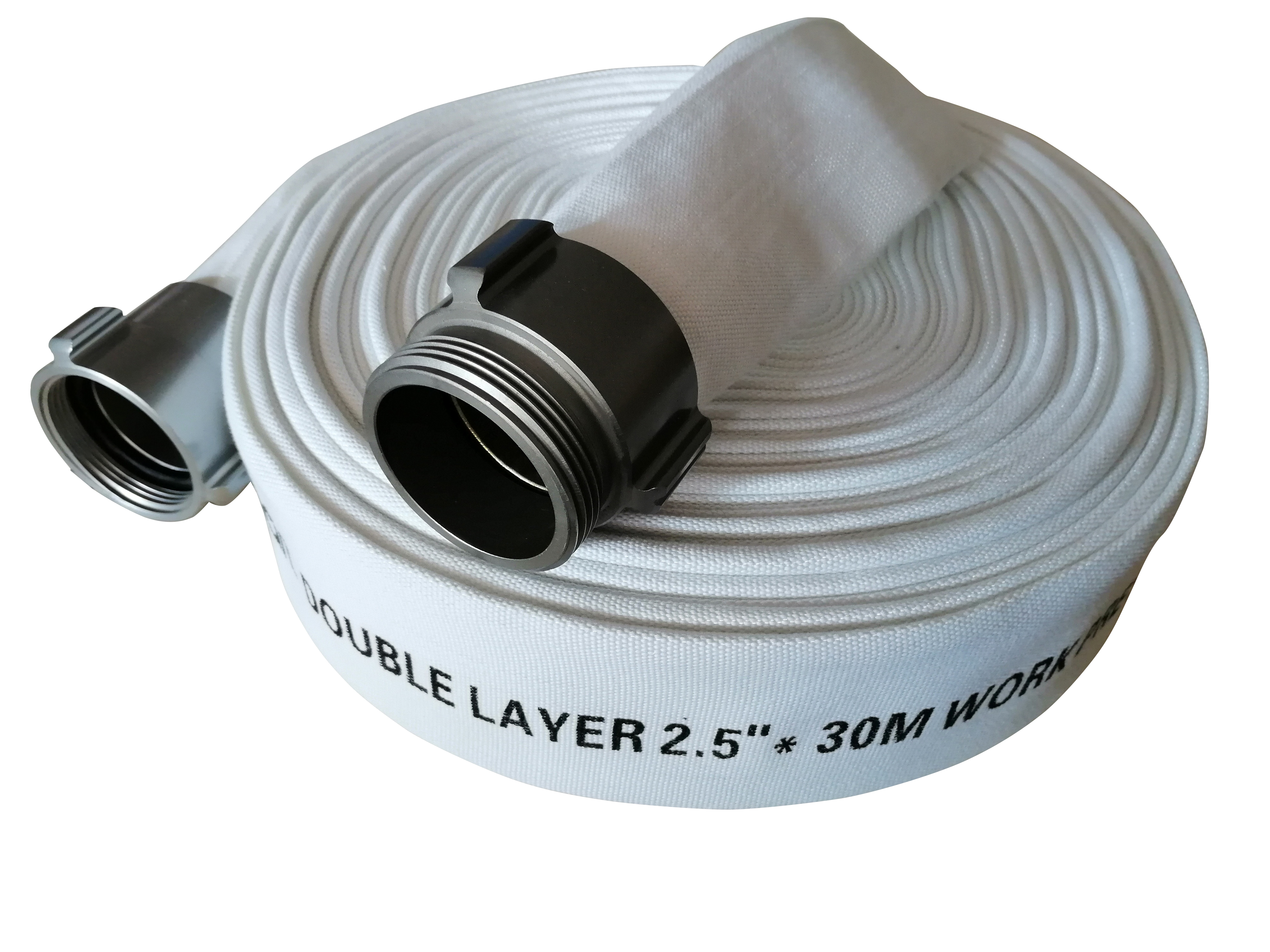
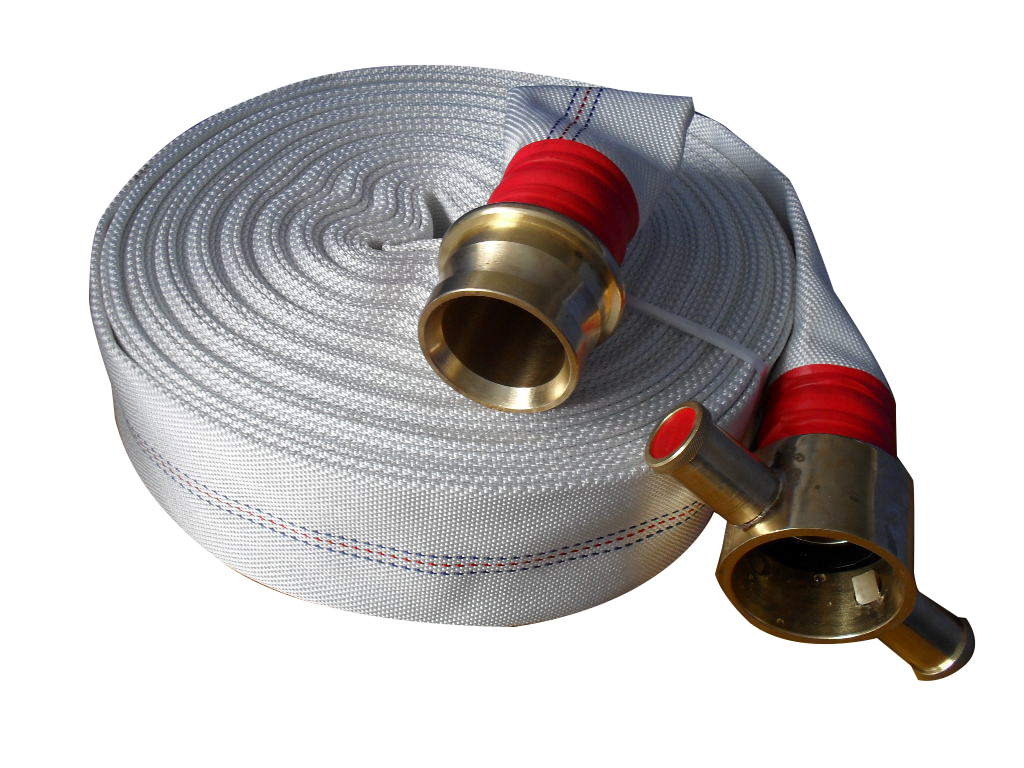
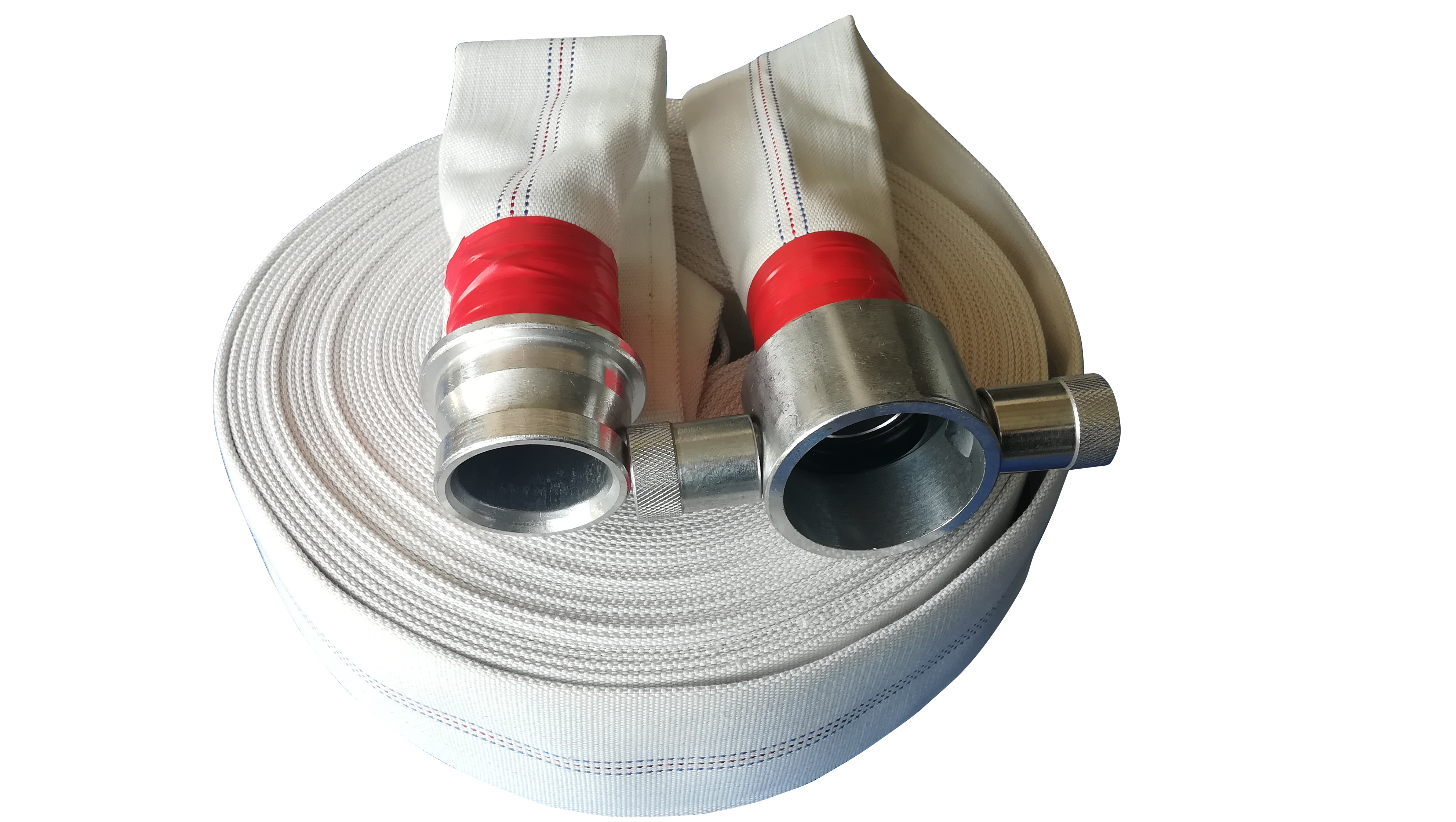
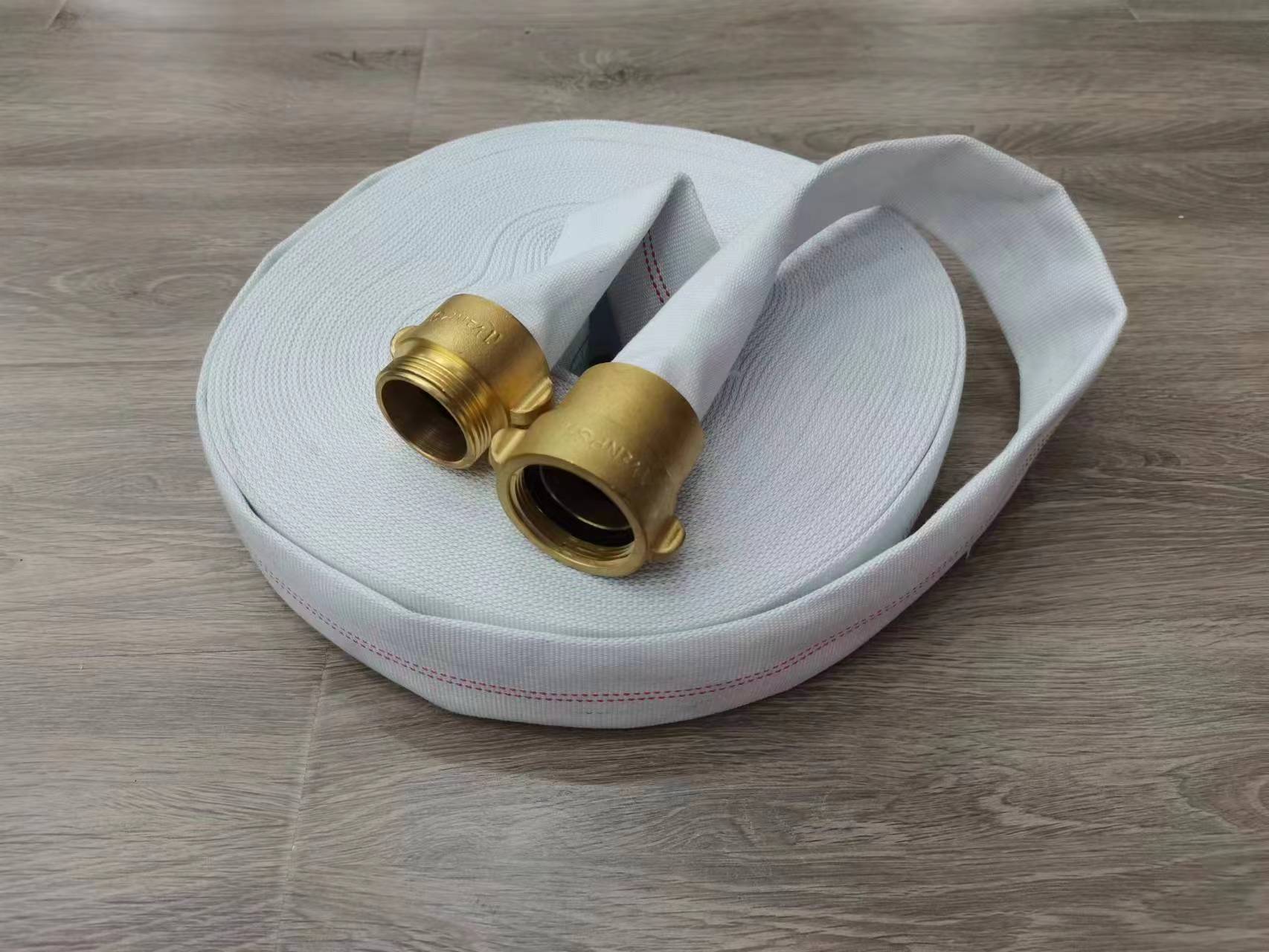
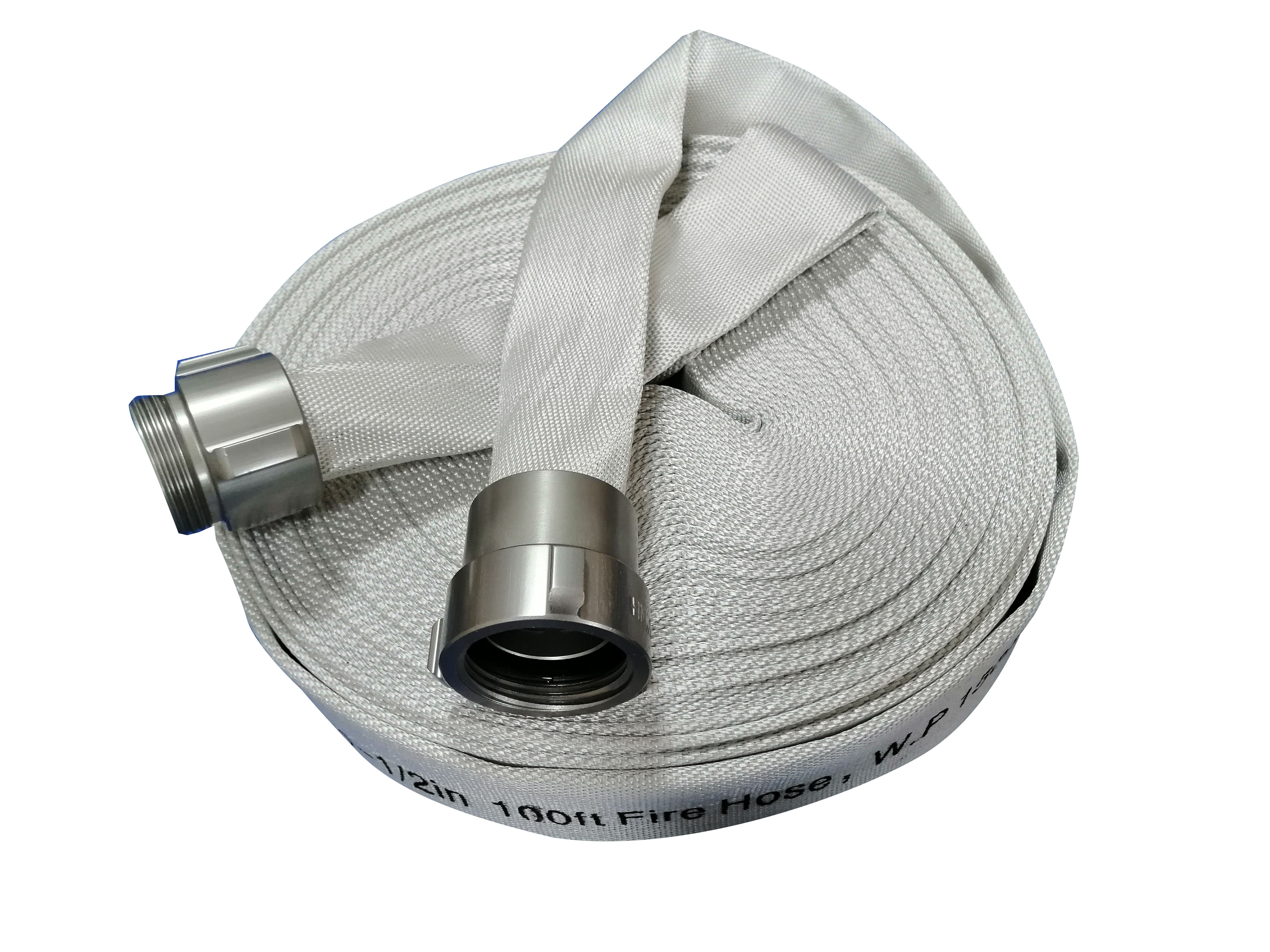
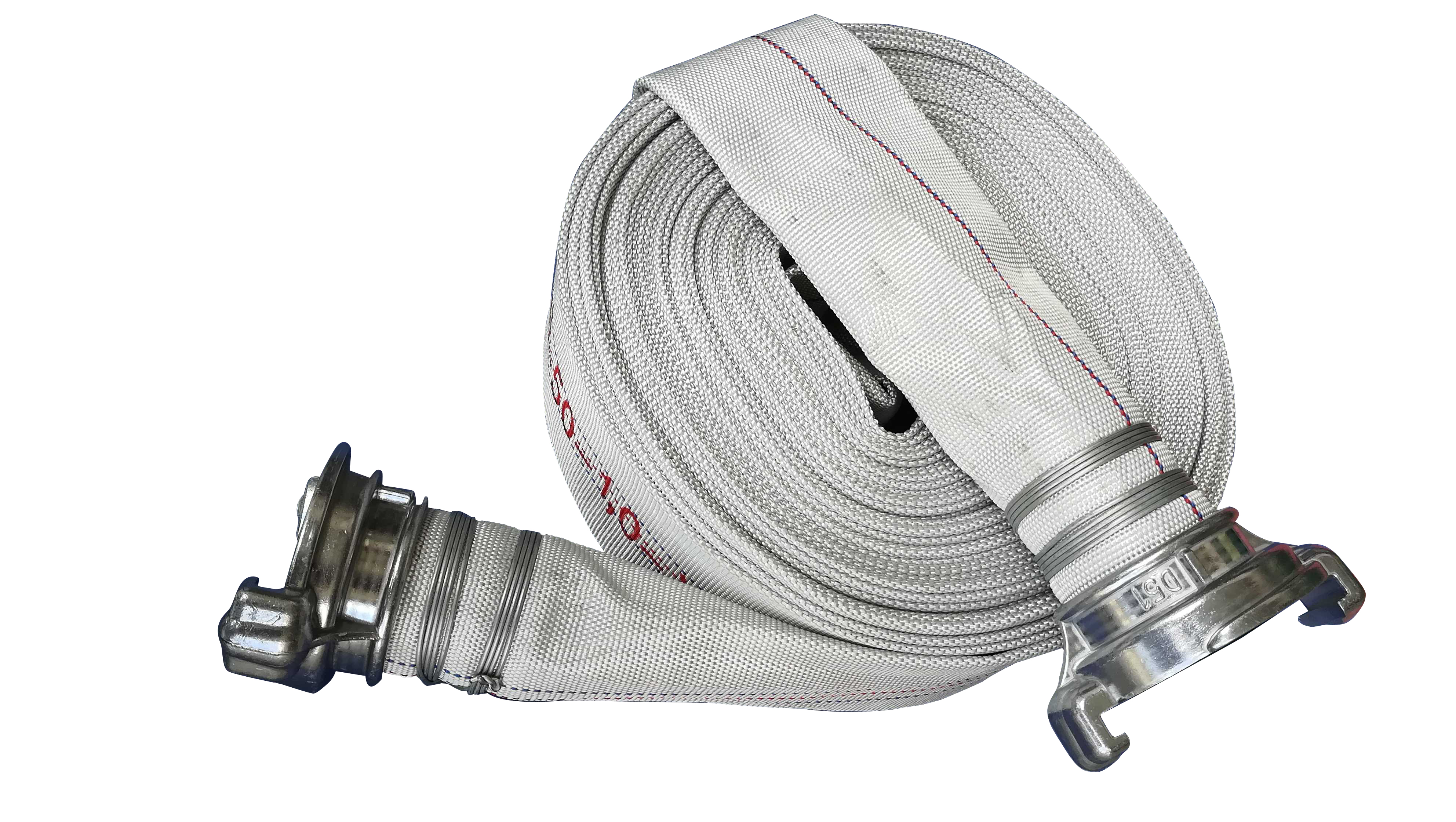
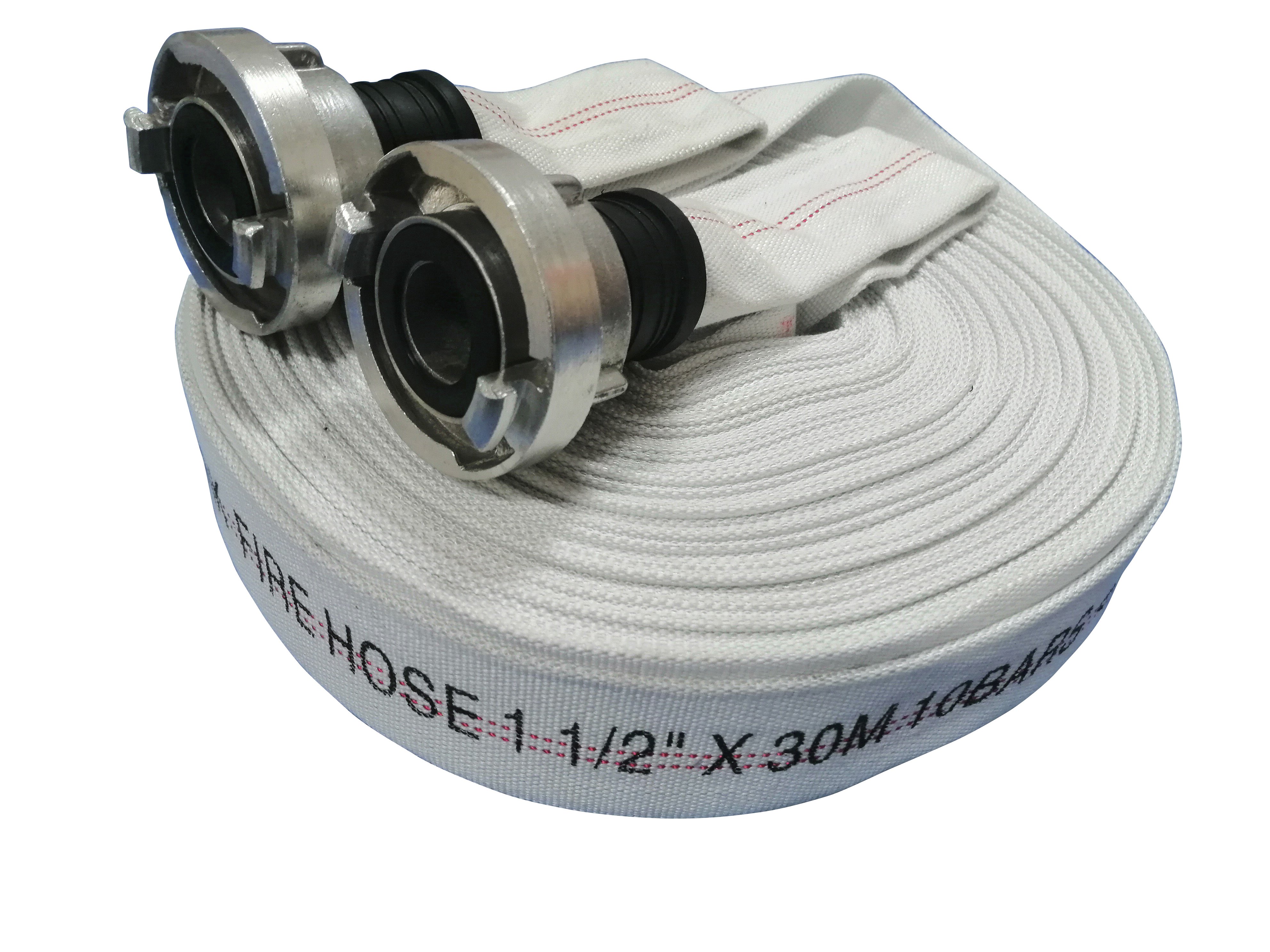
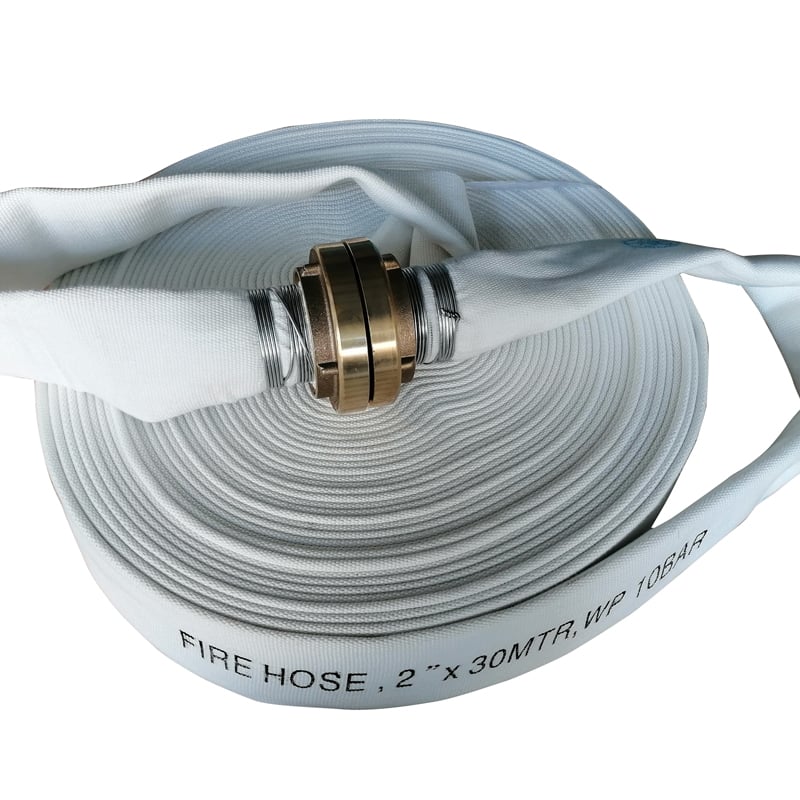
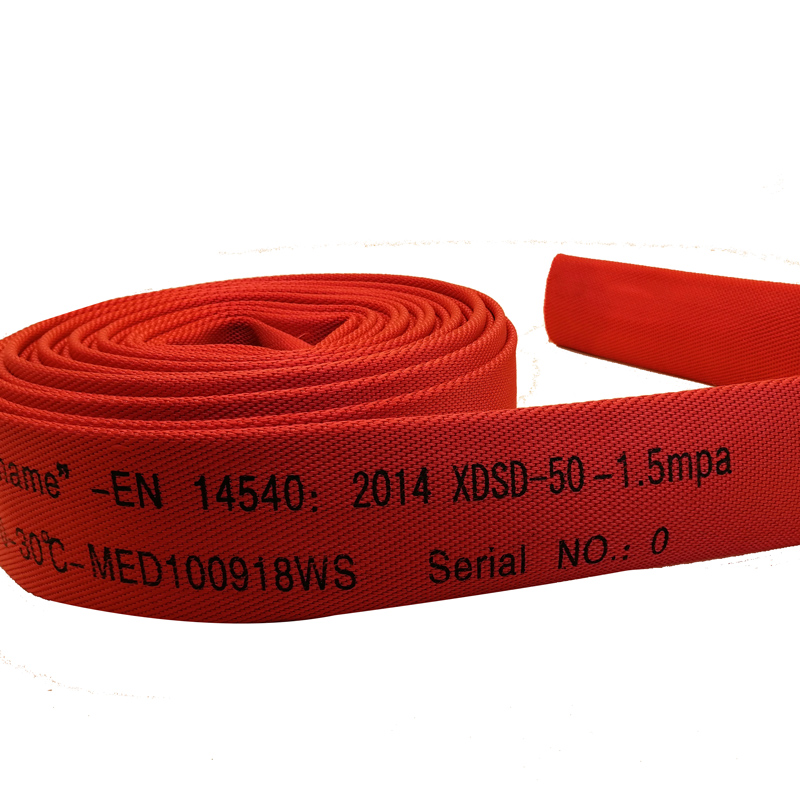
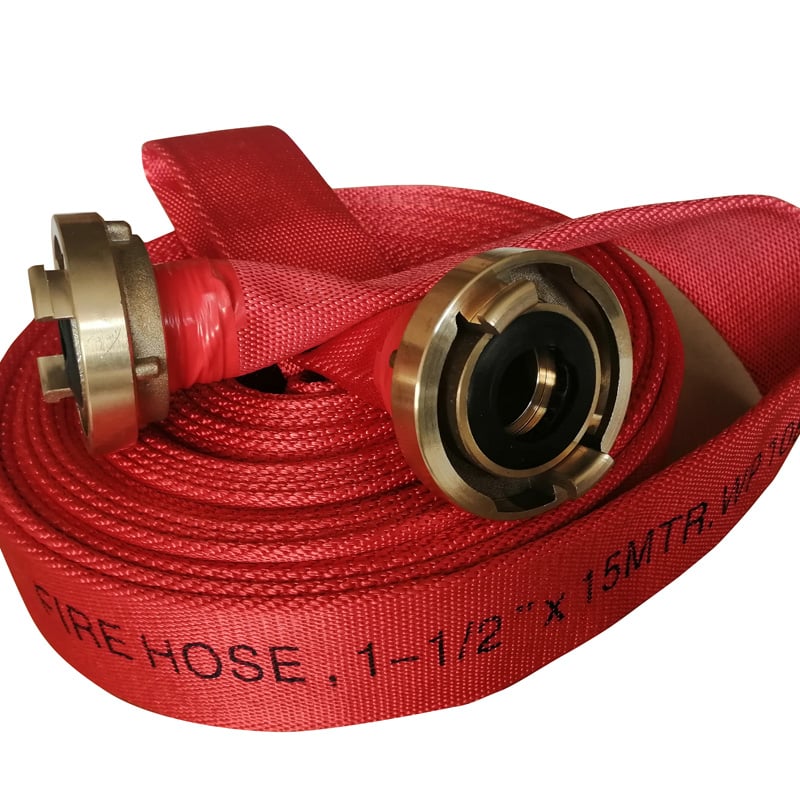
When selecting an outdoorfire hose reel cabinet, understanding the key features and specifications is crucial for ensuring compliance and usability in emergency situations. An outdoor fire hose cabinet is designed to house fire hoses and related equipment securely, safeguarding them from environmental factors while ensuring they are easily accessible during emergencies. This article will delve into how to choose the right outdoor fire hose cabinet, key specifications to consider for bulk orders, reliability factors, a structured purchasing approach, and material comparisons, all tailored to meet the needs of industrial buyers like purchasing managers, engineers, and facility managers.
When selecting an outdoor fire hose reel cabinet, it’s essential to consider several factors that align with your specific operational requirements. First, assess the cabinet's size and capacity, ensuring it can accommodate the hoses and equipment you plan to store. The standard fire hose lengths are typically 50 or 100 feet; thus, the cabinet should be designed to fit these lengths comfortably.
Next, evaluate the installation location. Outdoor cabinets must withstand weather extremes, so consider options with weather-resistant features such as UV protection and corrosion resistance. Ensure the cabinet complies with local fire safety codes and standards, as these regulations vary by region and can impact the cabinet's design and functionality.
Lastly, think about accessibility and visibility. Look for cabinets with clear markings and easy-opening mechanisms to facilitate quick access during emergencies. Cabins with transparent doors or windows can help in verifying the hose's condition at a glance.
When placing bulk orders for outdoor fire hose reel cabinet, several key specifications warrant attention. These include the following:
1. Material and Durability: Determine if the cabinet will be made from steel, aluminum, or high-grade plastic. Steel cabinets often provide enhanced durability and can better resist impact, while plastic options may offer lighter weight and corrosion resistance.
2. Dimensions and Capacity: Confirm the internal dimensions to ensure they meet your storage needs. The cabinet should accommodate standard hose sizes while allowing additional space for nozzles and fittings.
3. Sealing and Protection: Look for specifications regarding IP ratings, which indicate the level of protection against dust and water. An IP rating of at least IP54 is advisable for outdoor cabinets to ensure they remain functional in adverse weather conditions.
4. Locking Mechanisms: Security is paramount; thus, evaluate the locking systems available. Consider options that allow for quick access yet deter unauthorized use.
5. Certification and Compliance: Ensure that the cabinets meet relevant fire safety standards and certifications, which can vary by region but are critical for regulatory compliance.
By focusing on these specifications, buyers can ensure that they select cabinets that meet both operational and legal requirements.
A reliable outdoor fire hose reel cabinet is characterized by several important features. Firstly, the material used in construction is crucial for durability and protection against the elements. Cabinets made from corrosion-resistant materials like stainless steel or specially treated steel are advisable for longevity.
Secondly, the design should incorporate features that facilitate ease of use. This includes well-designed handles and hinges that allow for quick access. Additionally, visibility plays a significant role; cabinets with transparent doors or clear labeling help ensure that users can quickly identify and access the equipment they need.
Moreover, reliable cabinets should have a robust sealing system to prevent water ingress and contamination of the hoses. This is particularly important in outdoor settings where exposure to rain and moisture can compromise equipment usability.
Lastly, consider the manufacturer’s reputation for quality control and customer service. A supplier like Jiangsu Nantong Longtao Fire-Hose Group Co., Ltd., known for their focus on quality and customer benefit, is likely to provide products that meet these reliability standards.
To ensure a smooth purchasing process for outdoor fire hose reel cabinet, follow this structured approach:
1. Identify Your Needs: Assess the number of cabinets required, their intended locations, and any specific features needed for compliance and usability.
2. Research Suppliers: Look for manufacturers that specialize in fire safety equipment, considering their experience, production capabilities, and customer reviews. Evaluate suppliers like Jiangsu Nantong Longtao Fire-Hose Group Co., Ltd., which has a proven track record in producing quality fire equipment.
3. Request Quotes: When requesting quotes, provide detailed specifications, including the type of cabinet, dimensions, materials, quantities, and any customization requirements.
4. Sample Approval: Before mass production, ensure to inspect and approve a sample cabinet. This step allows you to verify dimensions, material quality, and functionality, preventing issues that could arise during bulk production.
5. Order Confirmation: Upon sample approval, confirm the order details including production timelines, delivery methods, and payment terms.
6. Installation Guidance: Ensure the supplier provides installation instructions or support to facilitate the proper setup of the cabinets.
By taking these steps, buyers can streamline their purchasing process and reduce the risk of errors or miscommunication.
The company places a strong emphasis on quality, which is fundamental to its survival and success. It is dedicated to the manufacturing, production, and research and development of fire-fighting equipment, including custom-made solutions for domestic and foreign professional fire brigades. The company holds multiple patent certificates for its independently developed intellectual property products, showcasing its innovative capabilities and commitment to advancing fire safety technology.
With an annual production capacity of 10 million meters of fire hose and 7,000 sets of fire hydrant boxes, the company demonstrates its ability to meet large-scale demands efficiently. The product range is extensive, including lined fire hoses (single and double jacket), double-coated fire hoses, fire hose reels, plastic-coated hoses, spray fire hoses, garden hoses, and specialized nozzles and couplings that meet various international standards. This diversity allows the company to cater to a wide array of customer needs across different markets.
Jiangsu Nantong Longtao Fire-Hose Group Co., Ltd. is officially recognized by the Ministry of Public Security as a designated enterprise for the production of fire hoses, fire hydrants, and fire boxes. This designation underscores the company's compliance with stringent national standards and its commitment to producing high-quality fire safety equipment. Being a government-designated enterprise also reflects the company's reliability and trustworthiness in the industry.
Jiangsu Nantong Longtao Fire-Hose Group Co., Ltd. has successfully exported its high-quality products to numerous countries, including the United States, Germany, Italy, Russia, South Korea, Japan, Vietnam, and the Middle East. The company adheres to a customer-first philosophy, offering high-quality, cost-effective products and services. Its commitment to honest cooperation and mutual benefit ensures long-term partnerships and a win-win situation for both the company and its clients. This global presence and customer-centric approach highlight the company's ability to compete and thrive in the international market.
The choice of material for outdoor fire hose reel cabinet significantly affects their performance and durability. Here’s a breakdown of common materials and their advantages:
1. Steel Cabinets: Steel offers exceptional strength and durability, making it a preferred choice for high-traffic areas or locations prone to vandalism. They can withstand significant impacts and are often treated to resist rust and corrosion.
2. Aluminum Cabinets: Aluminum is lightweight, making it easier to install. It is also resistant to corrosion, making it suitable for coastal areas with high humidity. However, while durable, aluminum may not withstand heavy impacts as well as steel.
3. Plastic Cabinets: High-grade plastic options are resistant to corrosion and UV damage, making them suitable for outdoor use. They are lighter and easier to handle but may not provide the same level of security as metal cabinets.
4. Composite Materials: Some manufacturers offer composite cabinets that combine materials for optimal performance. For example, a cabinet with a steel frame and a plastic exterior could offer the benefits of both materials.
Selecting the right material depends on the specific environment and security needs of the installation location. Buyers should assess their unique requirements against the material properties to make an informed decision. By understanding these material differences, purchasing managers can choose cabinets that will perform reliably in their intended environments while also considering budget constraints.

Welcome to Jiangsu Nantong Longtao, we are a leading manufacturer specialize in fire hoses, fire hydrants and fire boxes.
No.888 Renmin South Road, Dayu Town,Rudong County, Nantong City, Jiansu Province
Copyright © EVERBRIGHT FIRE-FIGHTING EQUIPMENT(NANTONG)CO., LTD. All Rights Reserved
 EN
 AR
 FR
 DE
 KO
 CS
 DA
 NL
 FI
 EL
 IT
 JA
 NO
 PL
 PT
 RO
 RU
 ES
 SV
 TL
 IW
 ID
 LV
 LT
 SR
 SK
 SL
 UK
 SQ
 ET
 HU
 TH
 TR
 FA
 AF
 IS
 MK
 KA
 UR
 BN