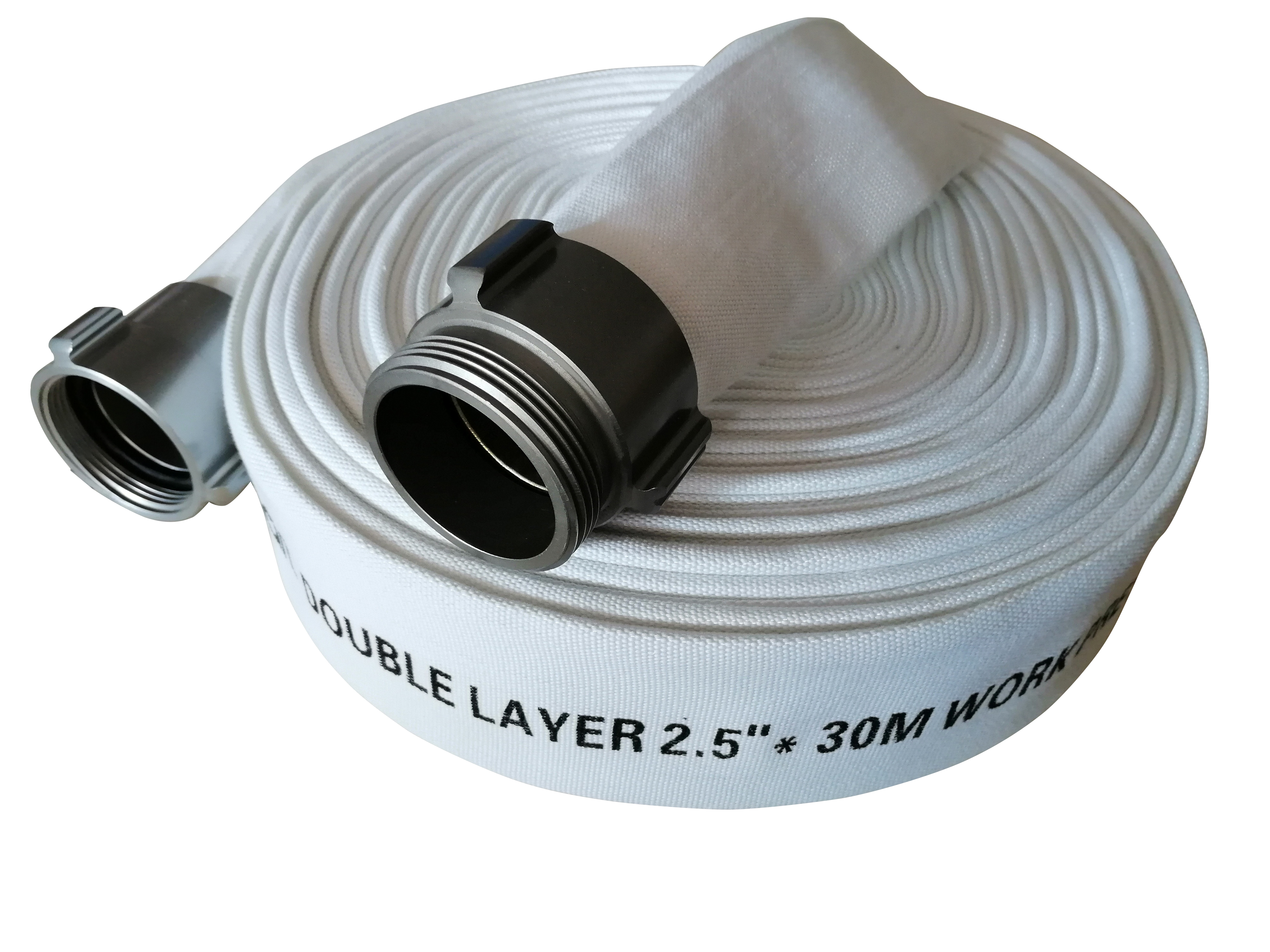
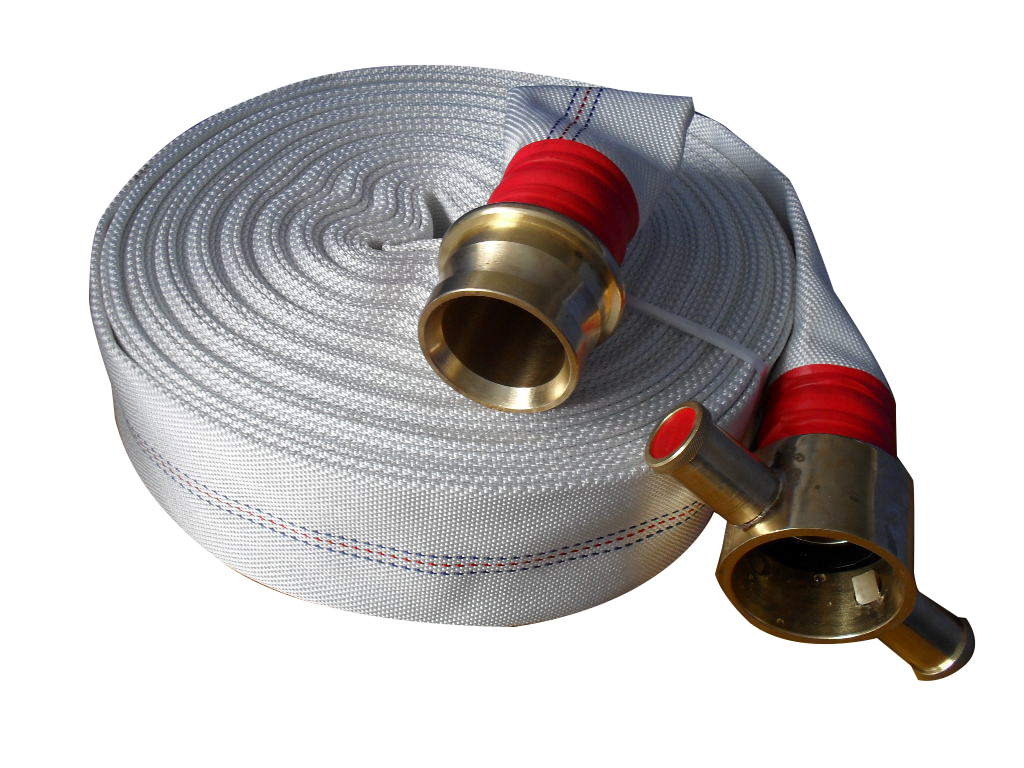
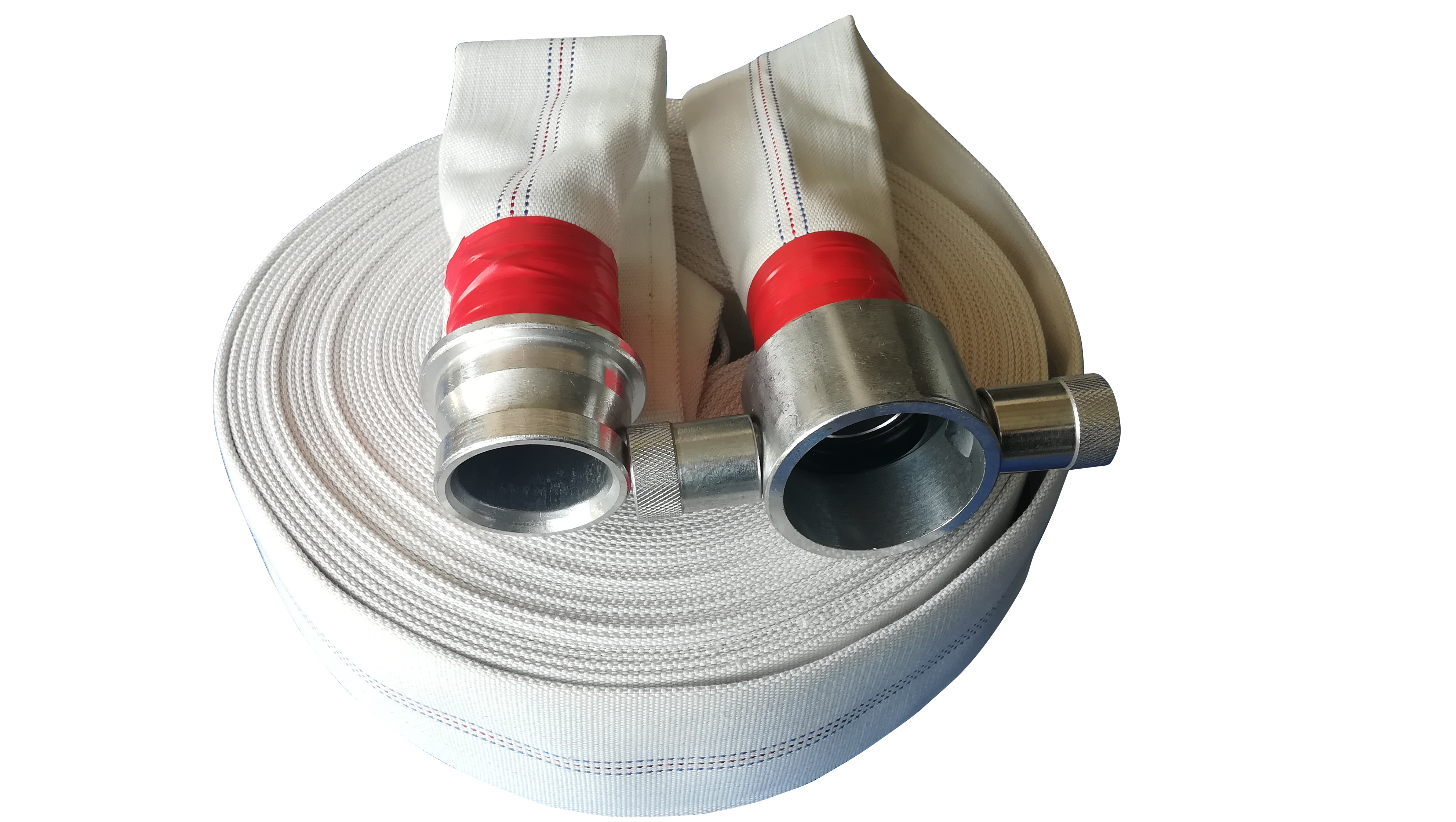
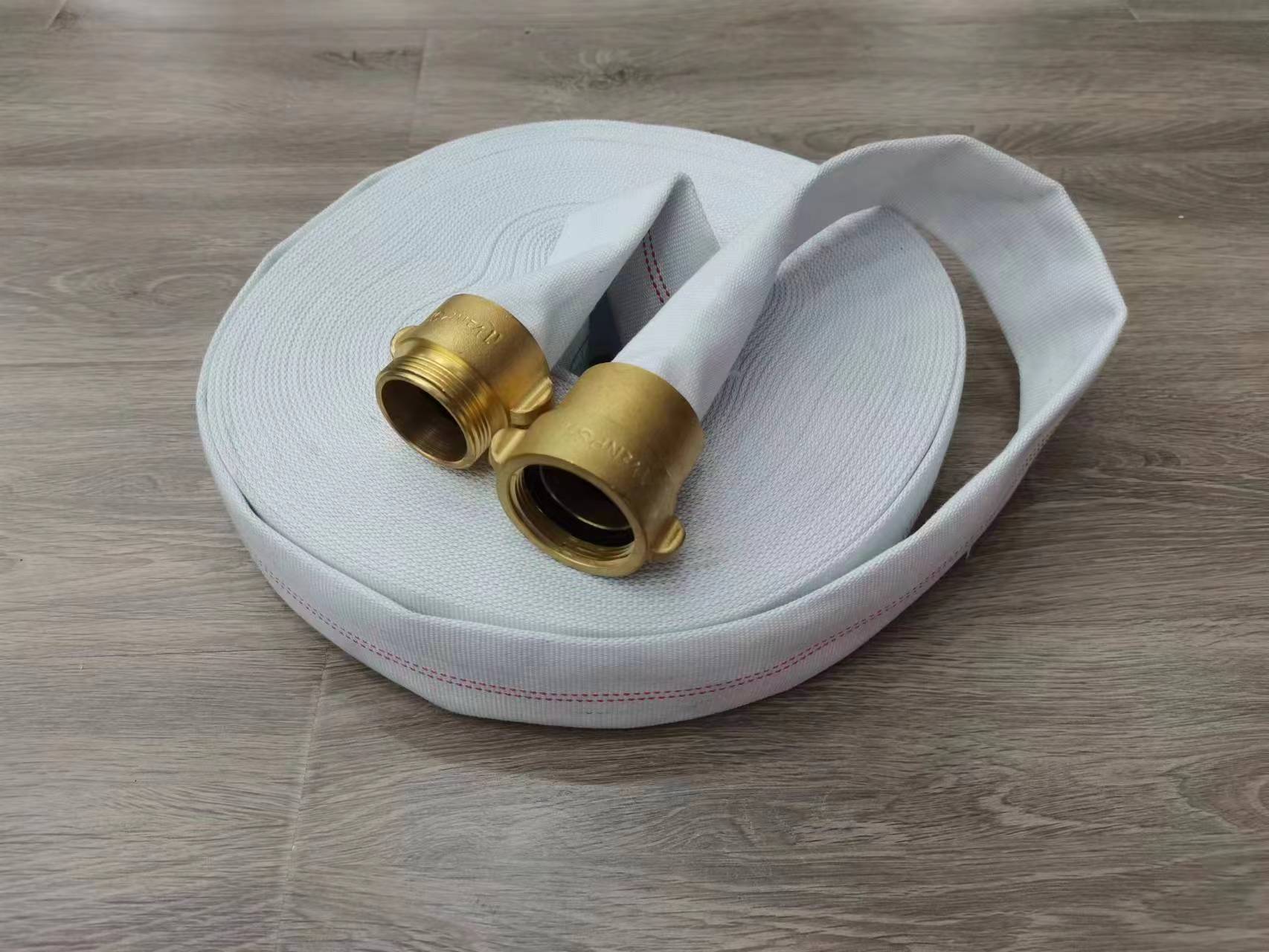
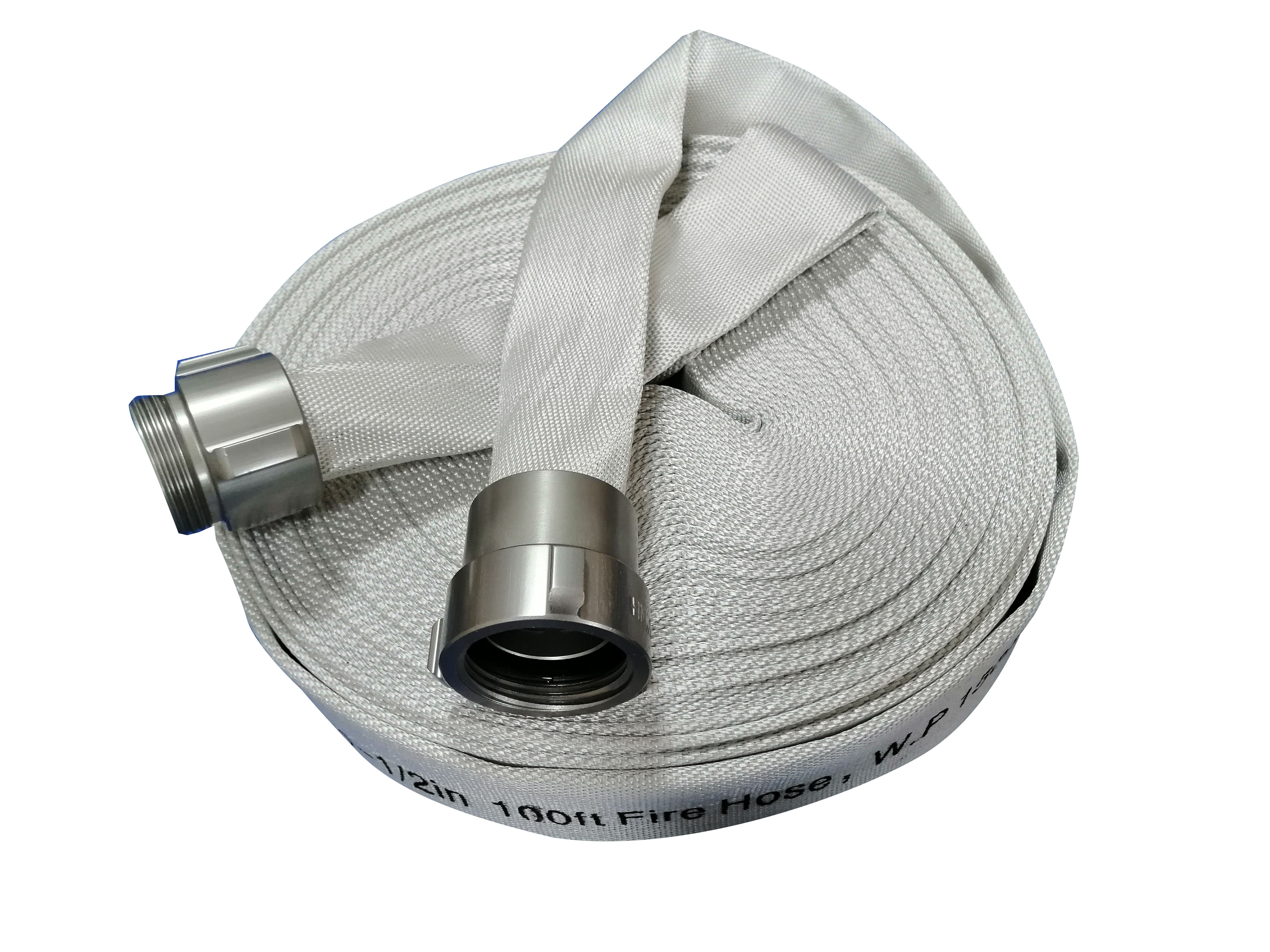
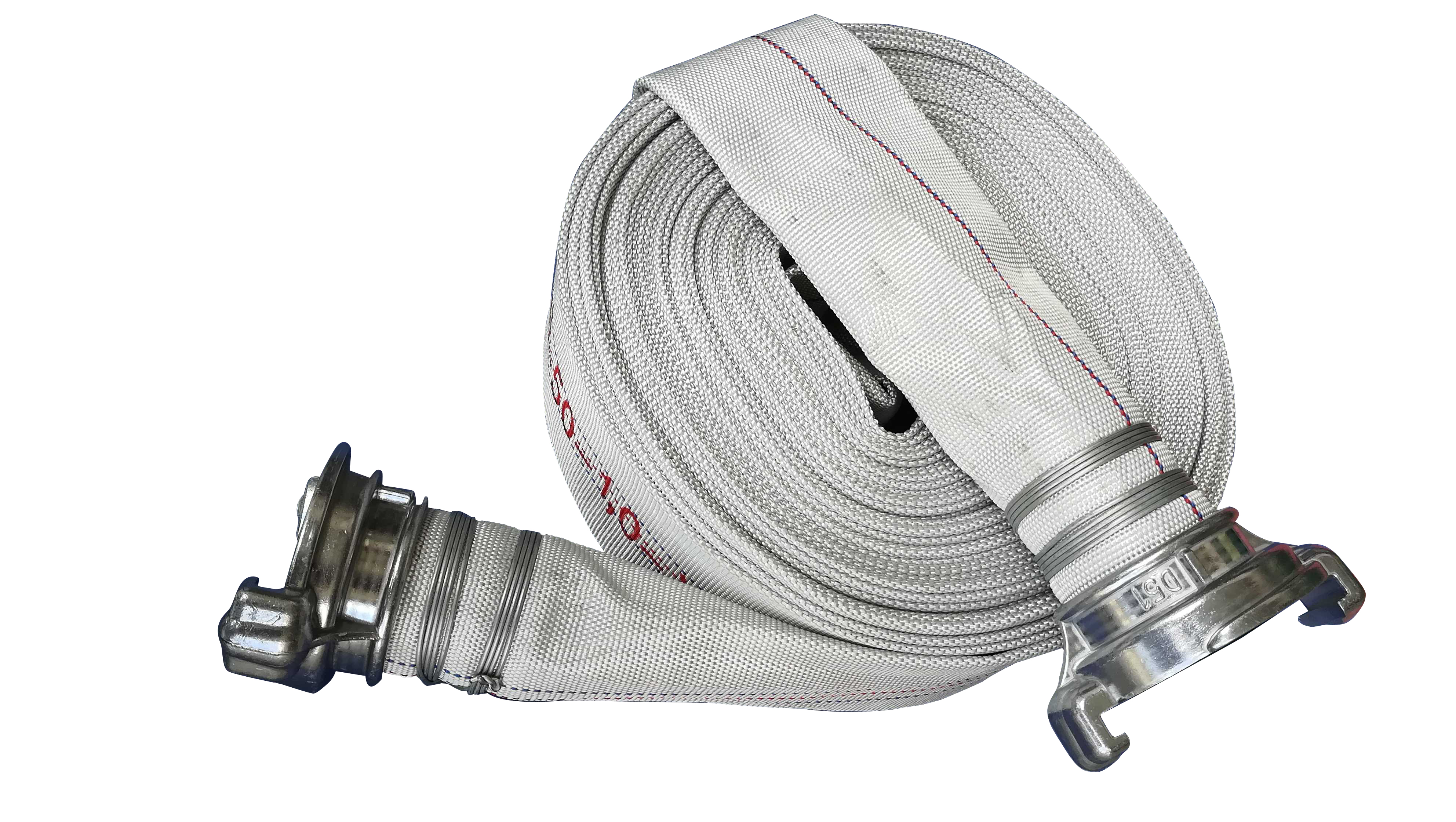
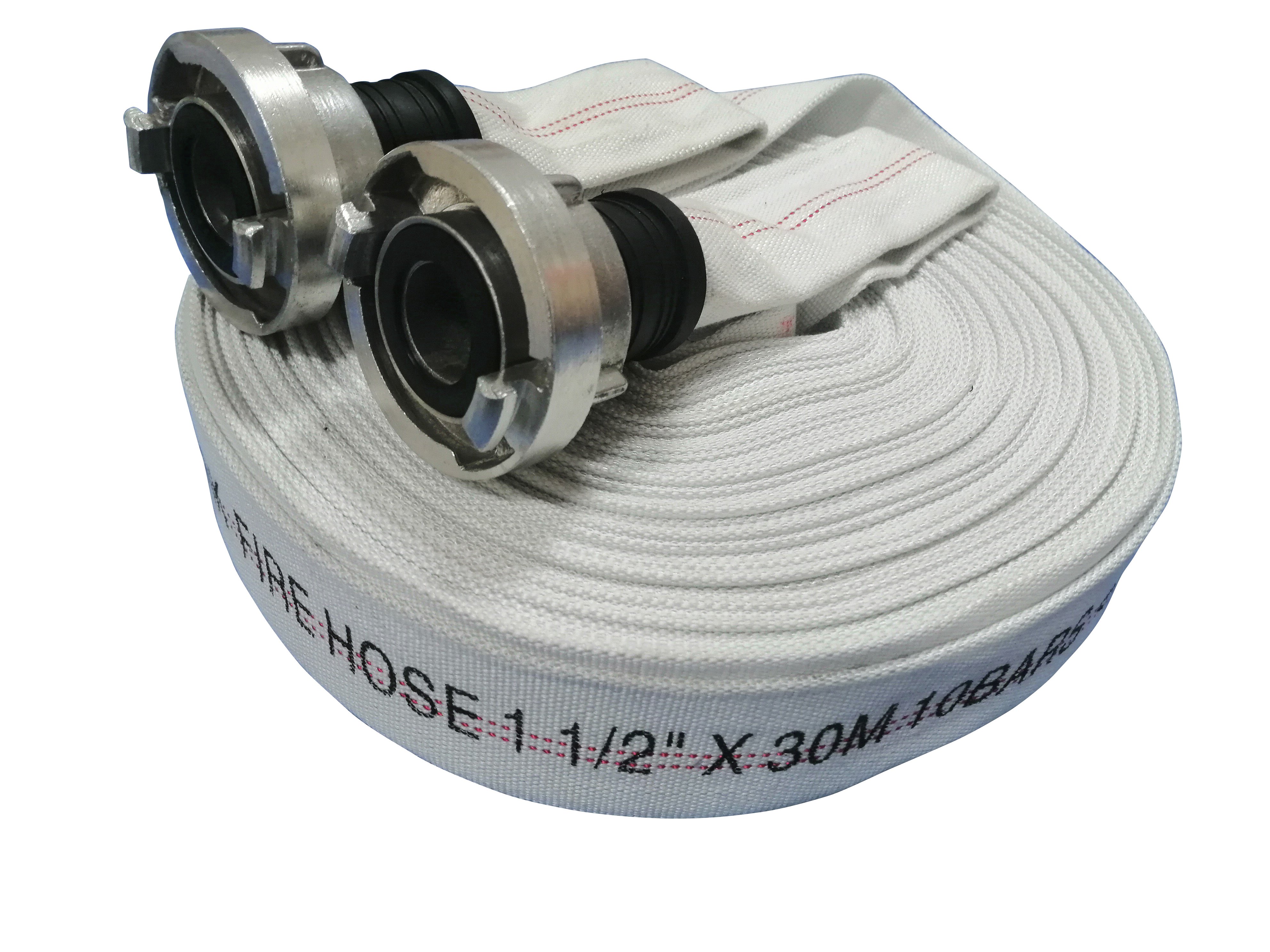
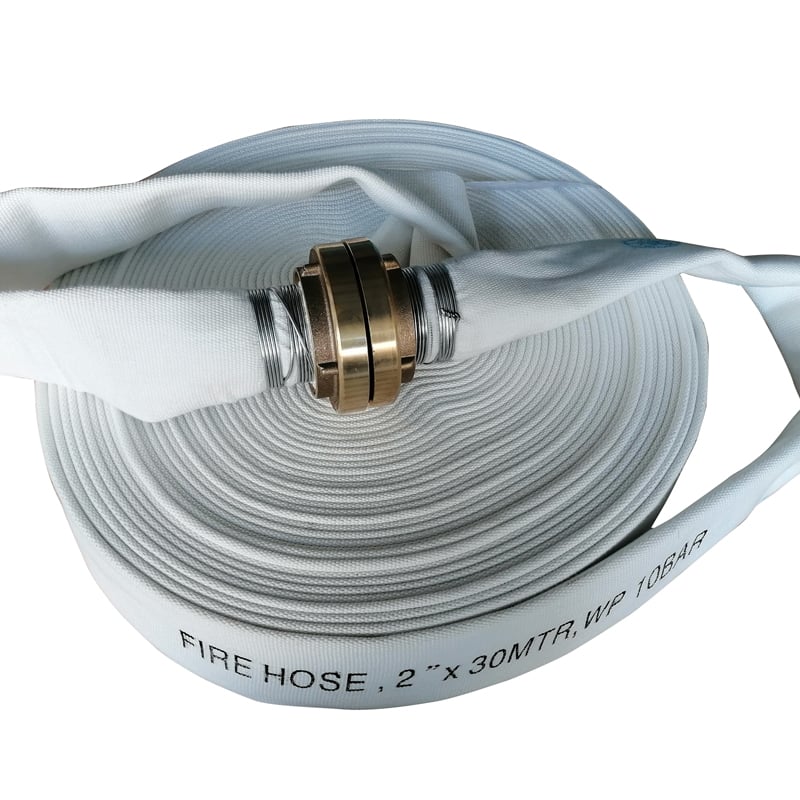
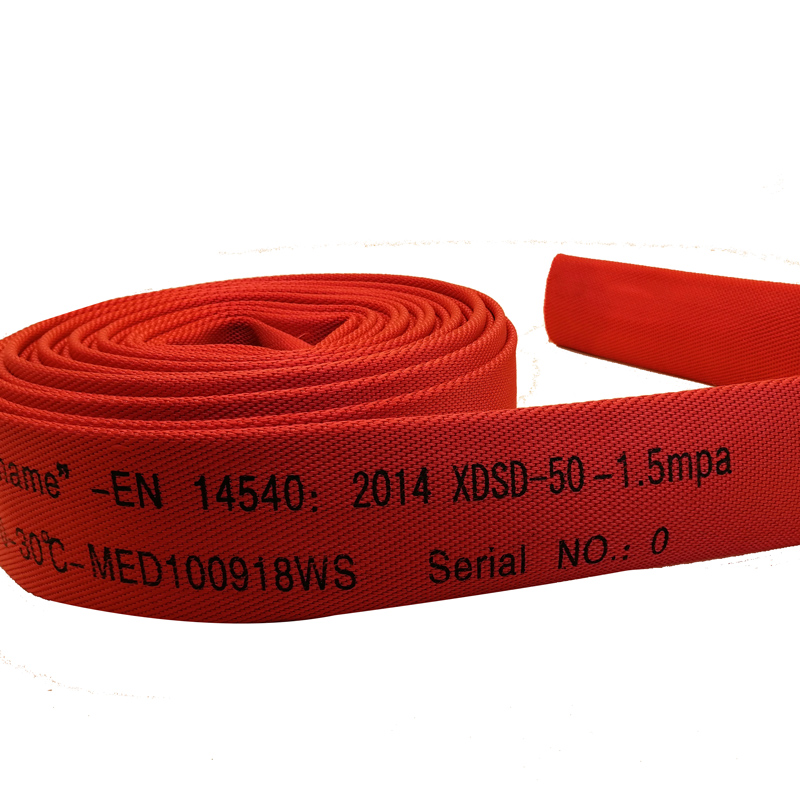
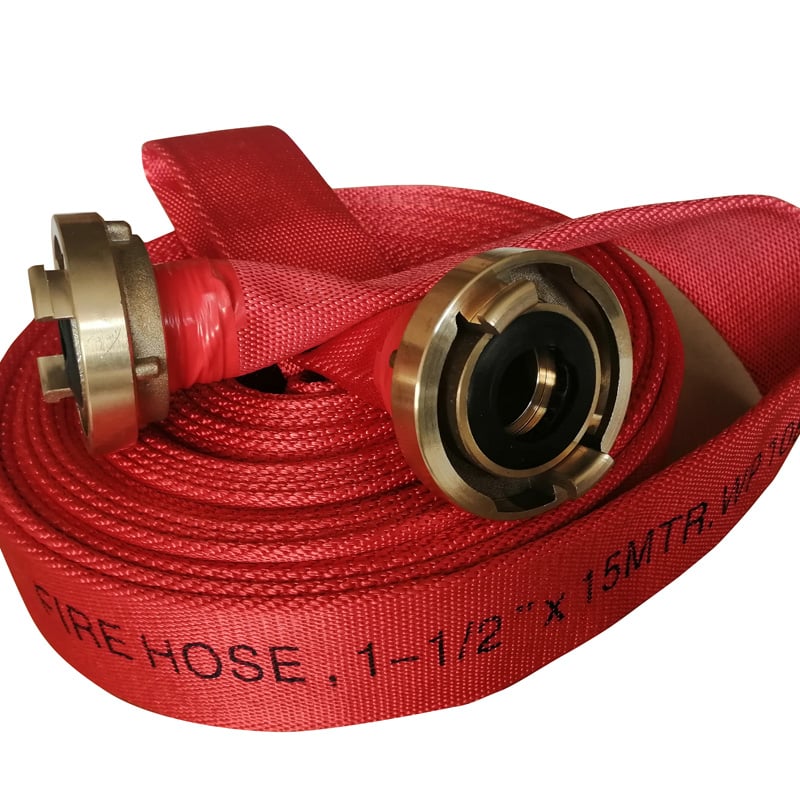
Fire fighting suction hoses are critical components in emergency response operations, designed for transferring water from a static source to firefighting equipment. As a purchasing manager or engineer, understanding the specifications, applications, and sourcing options for these hoses is vital in ensuring effective fire suppression. This article will help you navigate the important considerations for selecting a suction hose fire, evaluate potential suppliers, and make informed purchasing decisions.
Selecting the appropriate fire fighting suction hose involves understanding various specifications that directly impact performance. Key factors to consider includes the following:
1. Material - suction hose fire are typically made from materials like PVC, rubber, or reinforced fabrics. Each material offers different resistance to abrasion, temperature, and chemical exposure. For instance, a PVC hose may be lighter and more flexible, while a rubber hose could provide better durability in harsh environments.
2. Diameter and Length - The diameter of the hose affects the flow rate of water. Common diameters range from 2 inches to 6 inches, depending on the application. The length must also be adequate to reach the water source without creating excessive pressure loss.
3. Working Pressure - This specification indicates the maximum pressure the hose can handle during operation. Ensure that the working pressure meets or exceeds the requirements of your firefighting equipment.
4. Coupling Types - Couplings must be compatible with your existing firefighting apparatus. Standard options include threaded, camlock, or quick-release couplings, each facilitating easy connection and disconnection.
5. Temperature Rating - Depending on the environment, hoses may need to withstand extreme temperatures. Confirm the temperature range suitable for your specific applications.
Understanding these specifications will help ensure the hose selected meets the operational demands of your firefighting projects.
When sourcing suction hose fire, reliability is crucial. Consider these steps to evaluate potential suppliers:
1. Reputation and Experience: Look for manufacturers with a solid track record in producing fire safety equipment. Companies like Jiangsu Nantong Longtao Fire-Hose Group Co., Ltd., known for their Ministry of Public Security designation, signal credibility.
2. Quality Certifications: Check for relevant certifications that indicate adherence to industry standards, such as ISO or EN certifications. These can provide assurance of product quality and safety.
3. Customization Capabilities: If your project has specific requirements, verify if the supplier can offer customization options, such as custom length, diameter, or material specifications.
4. Production Capacity: Ensure the supplier can meet your volume requirements, especially during peak demand periods. A manufacturer with an annual capacity of 10 million fire hose meters, for example, can likely fulfill large orders efficiently.
5. Customer Support: Evaluate the level of customer support available, including technical assistance, product training, and after-sales service.
Building a relationship with a reliable supplier can lead to better pricing, faster delivery times, and improved product support.
When preparing to purchase hard suction hose firefighting, follow this comprehensive checklist:
1. Define Your Requirements: Clearly outline the specifications needed, including the intended application, required pressure, and environmental conditions.
2. Request Quotations: Provide potential suppliers with detailed information about your needs, including product type, dimensions, material preferences, and estimated quantities.
3. Evaluate Samples: Always request samples before committing to a bulk order. Test the samples under actual operating conditions to ensure they meet your performance expectations.Understand
4. Pricing Structures: Inquire about the pricing breakdown, including material costs, production, customization, and shipping. Be mindful of minimum order quantities (MOQ) that may apply.Confirm
5. Lead Times: Discuss lead times for manufacturing and delivery to ensure they align with your project timelines.
6. Quality Assurance Processes: Ask about the supplier’s quality control measures, including inspection methods during manufacturing and post-production testing.
By following this buyer’s guide, you can make more informed decisions that align with your project requirements.
Understanding the cost factors involved in purchasing hard suction hose firefighting is essential for budgeting and ensuring value for money. Key considerations include:
1. Material Costs - Different materials carry varying price points. While rubber may be more expensive than PVC, its durability might justify the cost in demanding environments.
2. Customization Fees - If your project requires specific customizations, such as special lengths or fittings, be prepared for additional costs.
3. Volume Discounts - Many suppliers offer discounts for larger orders. Consider consolidating your purchases to take advantage of these potential savings.
4. Shipping and Handling - Factor in shipping costs, especially for international orders. Ensure to inquire about packaging options that might affect shipping prices.
5. Long-Term Value: Assess the long-term performance and durability of the hose relative to its cost. A more expensive hose that lasts longer and requires less frequent replacement could ultimately be more economical.
Being aware of these cost factors will help you budget effectively and negotiate better terms with suppliers.
Jiangsu Nantong Longtao Fire-Hose Group Co., Ltd. is officially recognized by the Ministry of Public Security as a designated enterprise for the production of fire hoses, fire hydrants, and fire boxes. This designation underscores the company's compliance with stringent national standards and its commitment to producing high-quality fire safety equipment. Being a government-designated enterprise also reflects the company's reliability and trustworthiness in the industry.
With an annual production capacity of 10 million meters of fire hose and 7,000 sets of fire hydrant boxes, the company demonstrates its ability to meet large-scale demands efficiently. The product range is extensive, including lined fire hoses (single and double jacket), double-coated fire hoses, fire hose reels, plastic-coated hoses, spray fire hoses, garden hoses, and specialized nozzles and couplings that meet various international standards. This diversity allows the company to cater to a wide array of customer needs across different markets.
The company places a strong emphasis on quality, which is fundamental to its survival and success. It is dedicated to the manufacturing, production, and research and development of fire-fighting equipment, including custom-made solutions for domestic and foreign professional fire brigades. The company holds multiple patent certificates for its independently developed intellectual property products, showcasing its innovative capabilities and commitment to advancing fire safety technology.
Jiangsu Nantong Longtao Fire-Hose Group Co., Ltd. has successfully exported its high-quality products to numerous countries, including the United States, Germany, Italy, Russia, South Korea, Japan, Vietnam, and the Middle East. The company adheres to a customer-first philosophy, offering high-quality, cost-effective products and services. Its commitment to honest cooperation and mutual benefit ensures long-term partnerships and a win-win situation for both the company and its clients. This global presence and customer-centric approach highlight the company's ability to compete and thrive in the international market.
Fire fighting suction hoses find applications across various industries, each with unique operational demands:
1. Municipal Fire Departments - These hoses are fundamental for connecting fire engines to static water sources like lakes or hydrants, ensuring a reliable water supply during emergencies.
2. Industrial Facilities - Factories and warehouses often require fire suppression systems, making suction hoses essential for transferring water from on-site tanks or external sources.
3. Construction Sites - In construction, suction hoses can be utilized for temporary water supply systems, especially in areas without established hydrants.
4. Agriculture - Farmers use hard suction hose firefighting to access water from ponds or reservoirs for both firefighting and irrigation purposes.
5. Maritime Operations - Vessels may utilize suction hoses to draw seawater for firefighting purposes, highlighting the need for corrosion-resistant materials.
Understanding the applications of fire fighting suction hoses ensures you select the right product for your industry needs, maximizing effectiveness in fire response situations.
By following the guidance outlined , you can make informed decisions when selecting, sourcing, and purchasing firefighting suction hoses, ensuring that your firefighting capabilities are effective and reliable.

Welcome to Jiangsu Nantong Longtao, we are a leading manufacturer specialize in fire hoses, fire hydrants and fire boxes.
No.888 Renmin South Road, Dayu Town,Rudong County, Nantong City, Jiansu Province
Copyright © EVERBRIGHT FIRE-FIGHTING EQUIPMENT(NANTONG)CO., LTD. All Rights Reserved
 EN
 AR
 FR
 DE
 KO
 CS
 DA
 NL
 FI
 EL
 IT
 JA
 NO
 PL
 PT
 RO
 RU
 ES
 SV
 TL
 IW
 ID
 LV
 LT
 SR
 SK
 SL
 UK
 SQ
 ET
 HU
 TH
 TR
 FA
 AF
 IS
 MK
 KA
 UR
 BN