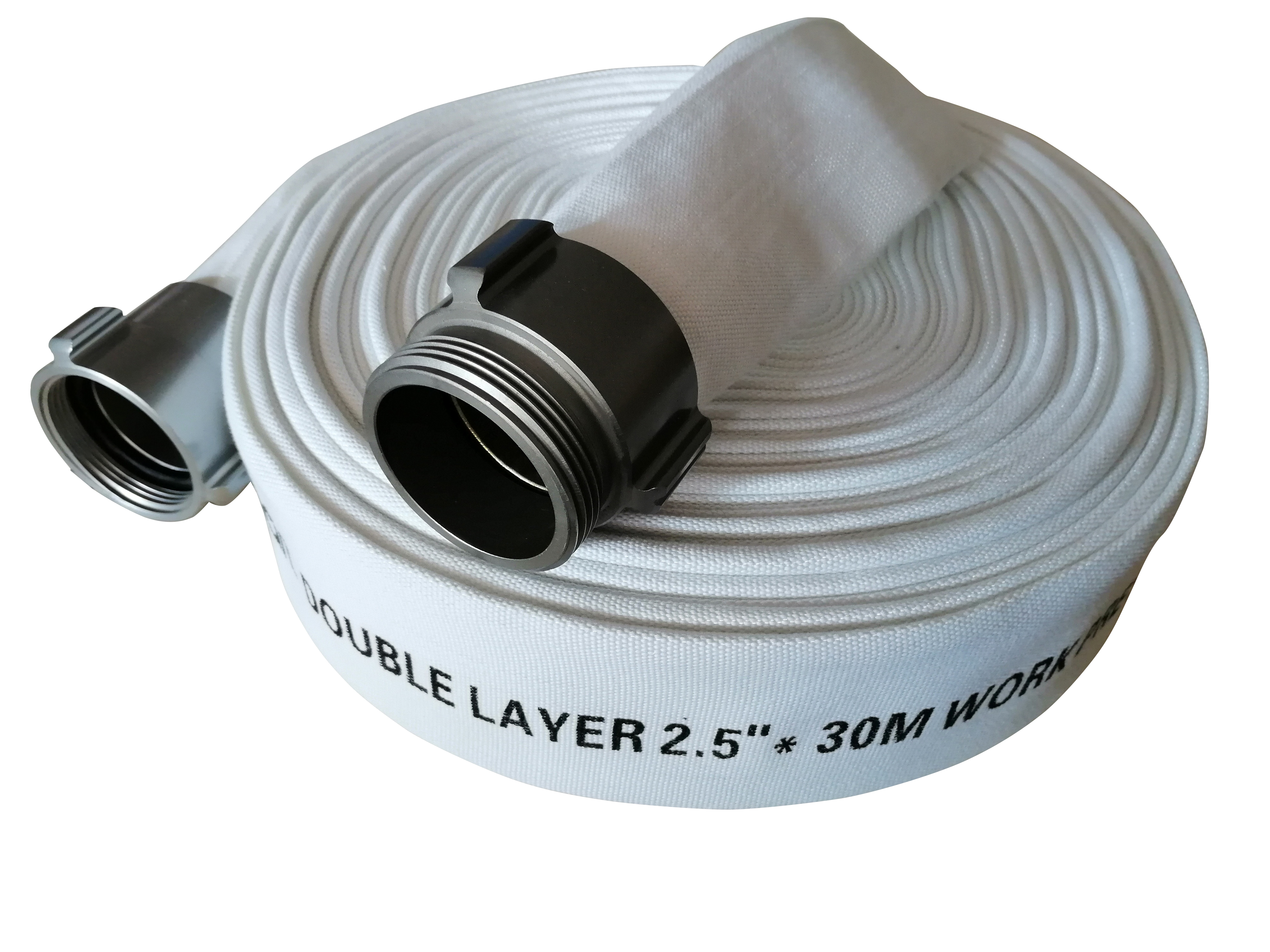
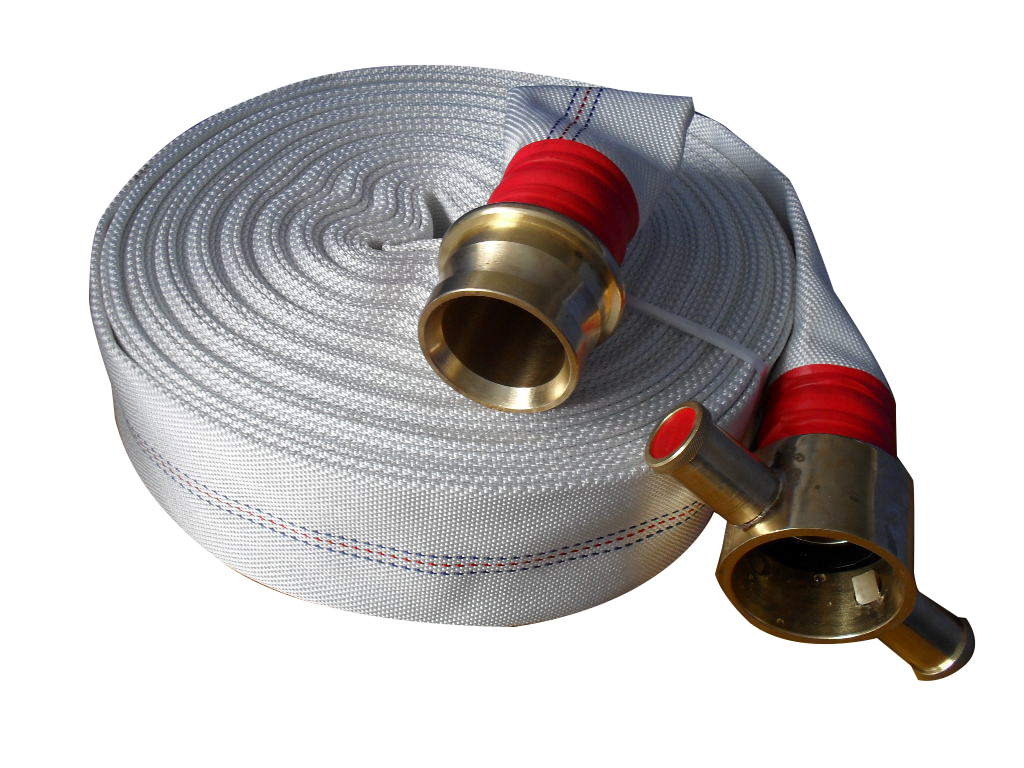
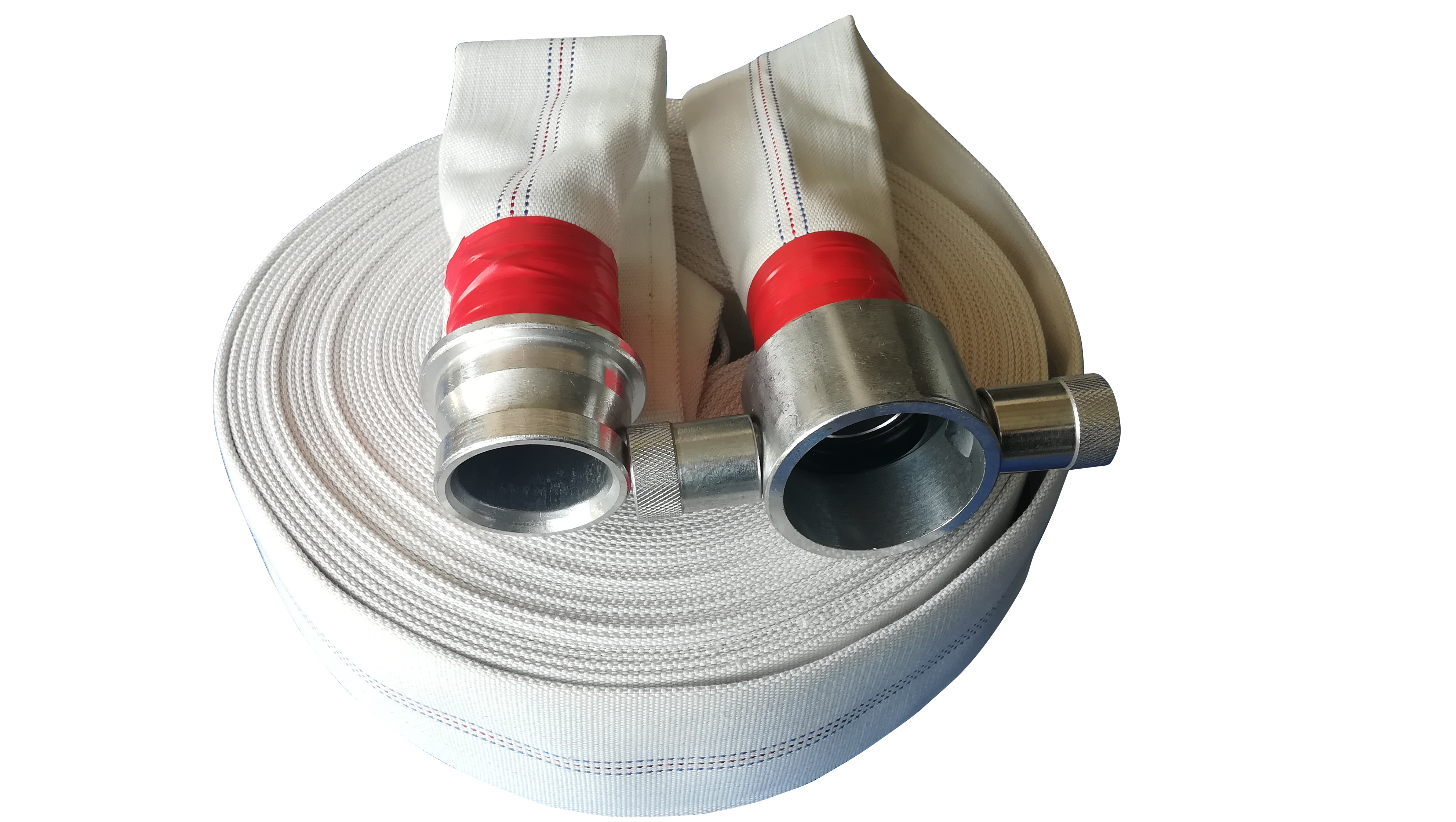
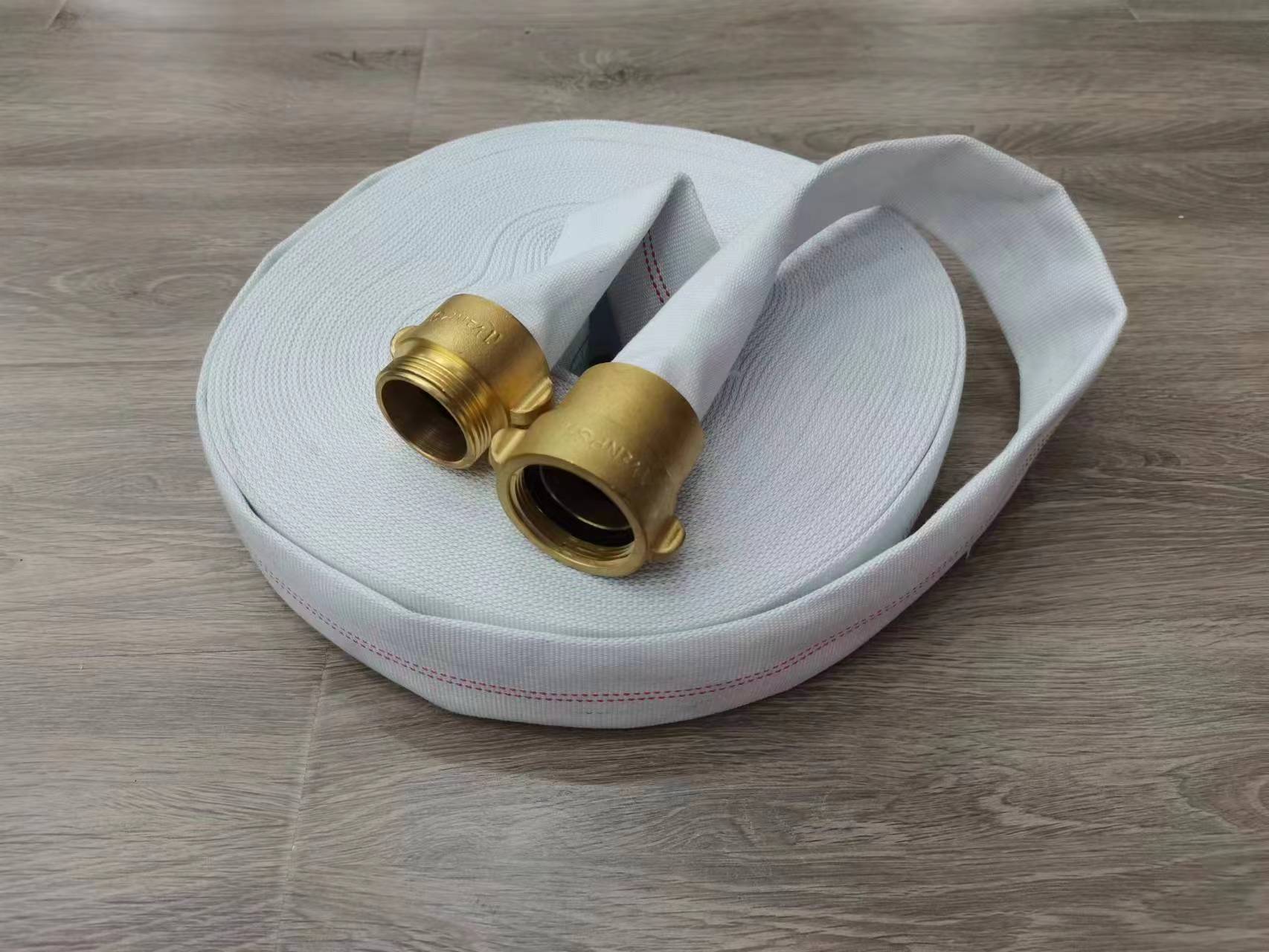
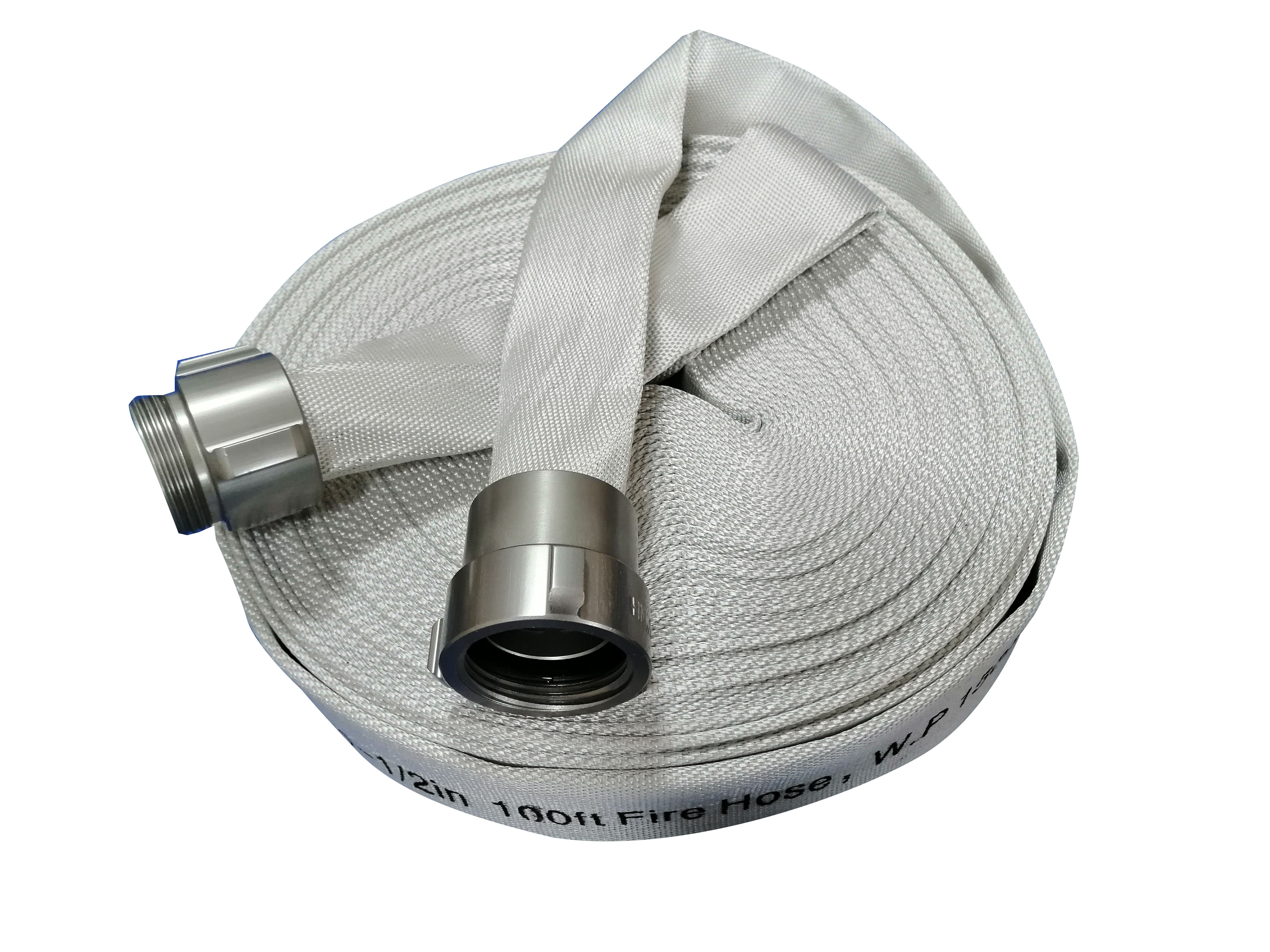
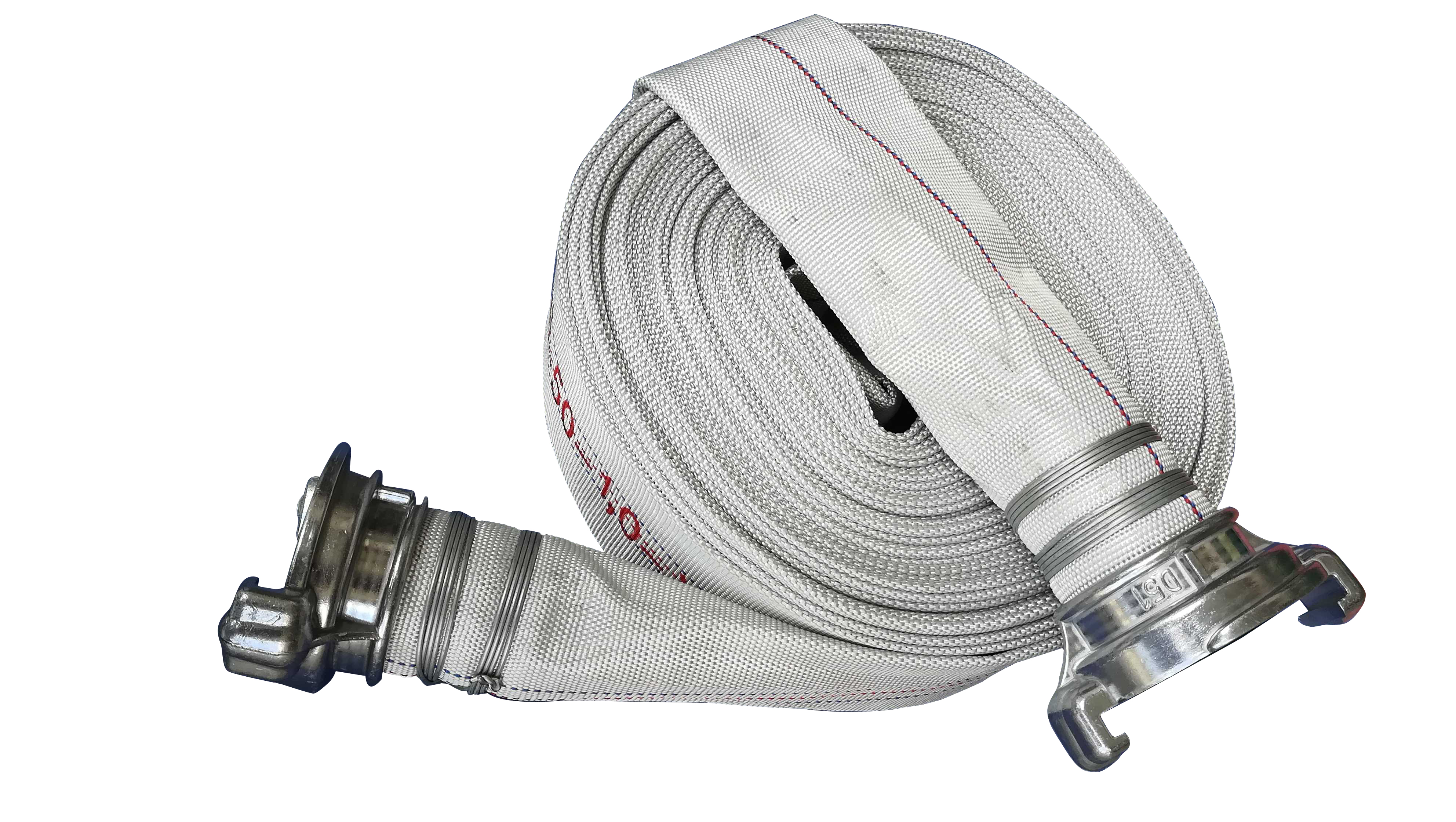
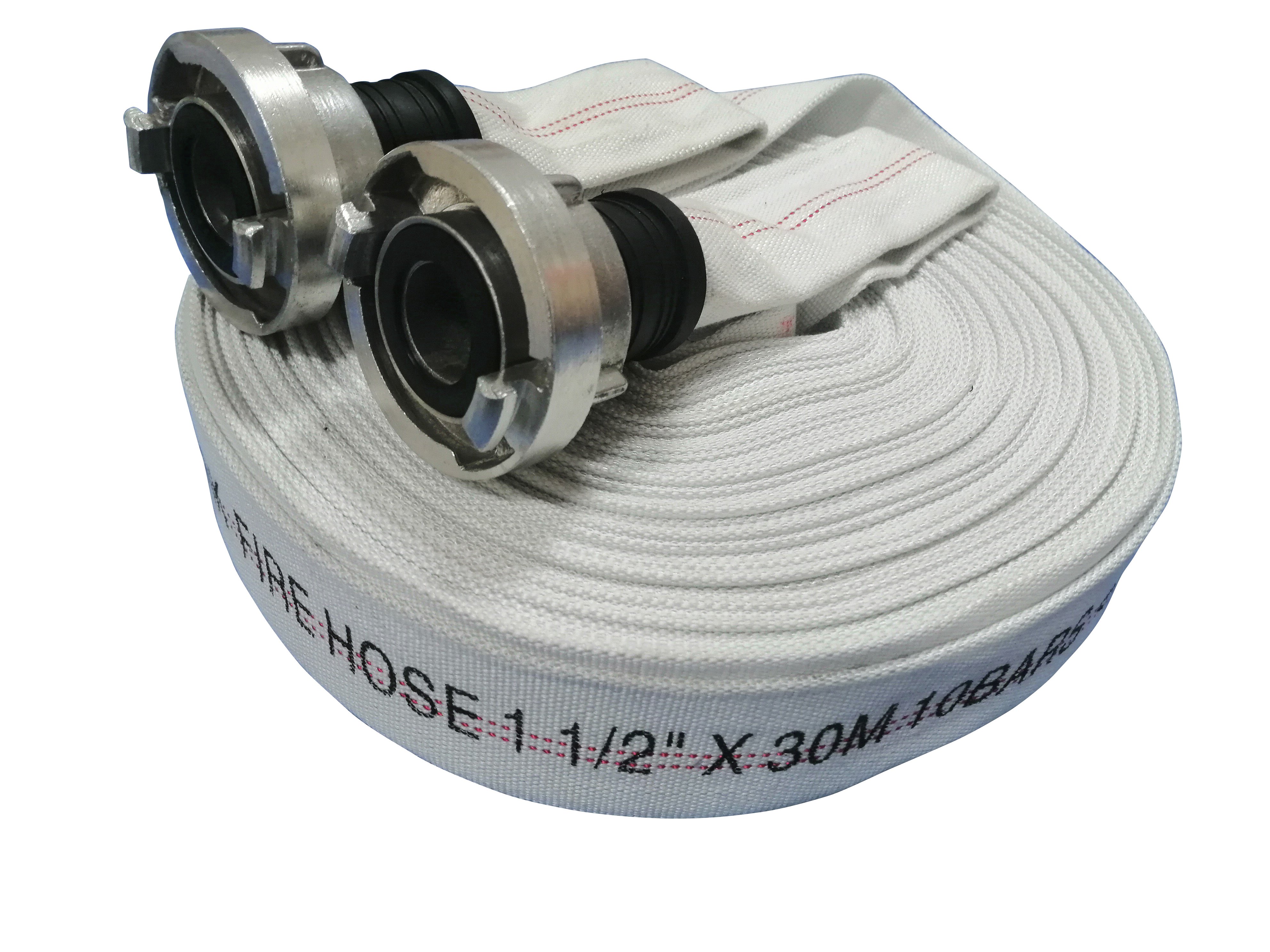
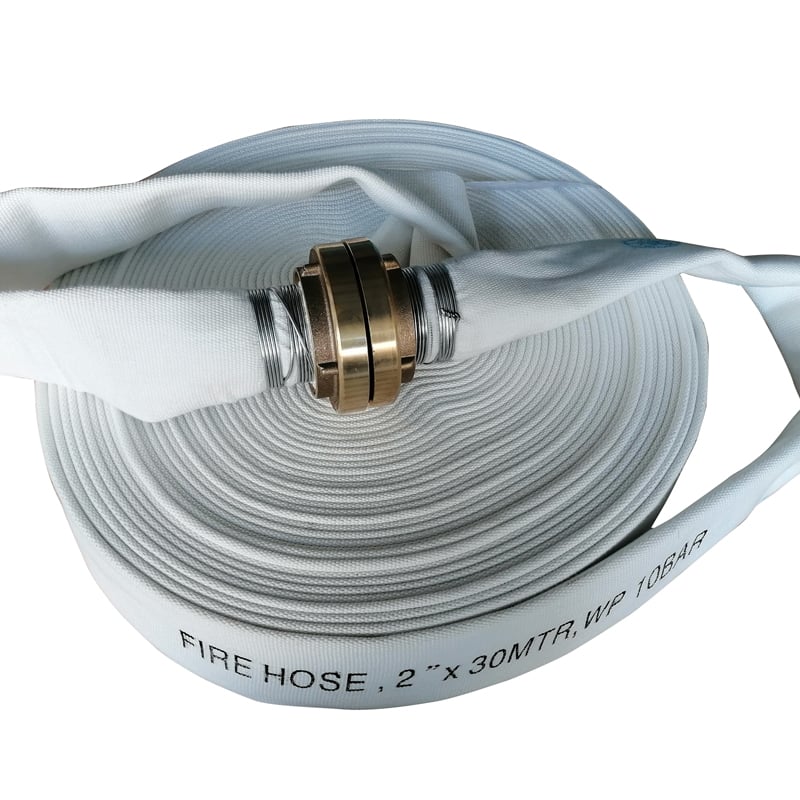
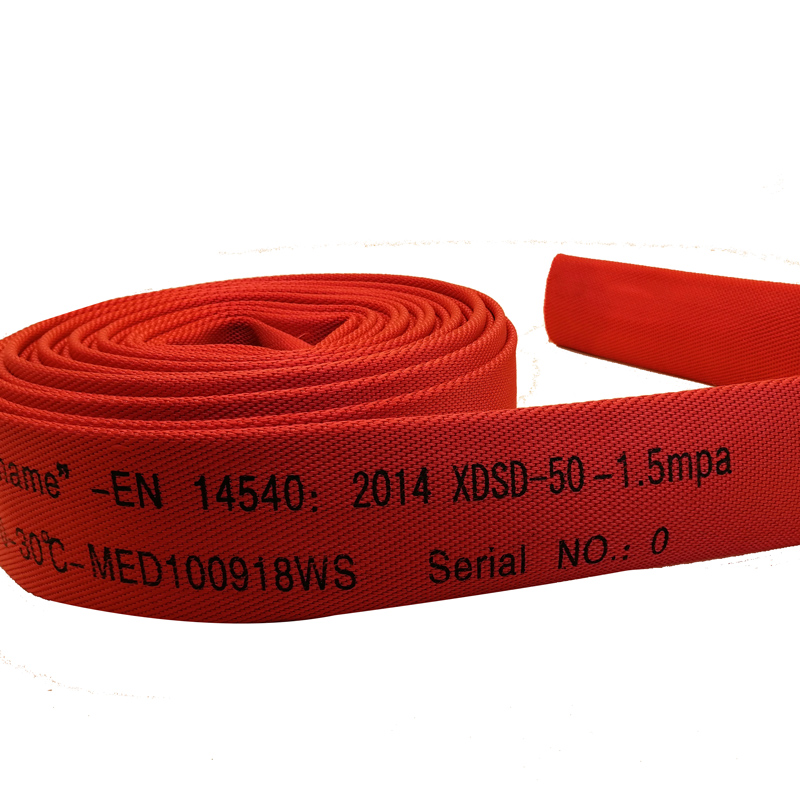
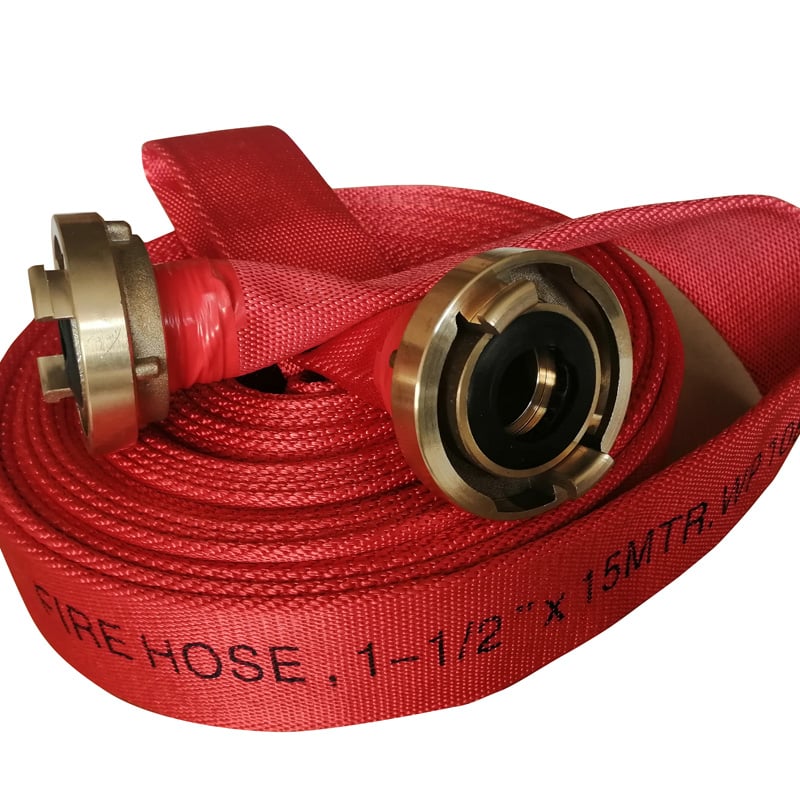
Brass hydrant valves are essential components in fire protection systems, widely utilized in various industries to control water flow during emergencies. For B2B buyers, understanding the specifications and selecting the right valve is crucial to ensure reliability and compliance. This article will guide you through key specifications, partner selection, installation guidance, common issues, and cost factors related to brass fire hydrant valves, helping you make informed purchasing decisions.
When selecting brass hydrant valves, several specifications must be considered to ensure optimal performance. The primary factors include valve size, pressure rating, and connection type. Typically, brass fire hydrant valves are available in sizes ranging from 1.5 inches to 6 inches, accommodating various piping systems.
1. Pressure Rating: Brass valves can handle different pressure levels, commonly rated at 150 PSI. Understanding the pressure requirements of your application is vital, as using a valve with an insufficient rating may lead to failure during operation.
2. Connection Type: Valves may feature various connection types, including threaded, flanged, or grooved. Selecting the appropriate connection type ensures compatibility with existing infrastructure, which is critical for seamless installation.
3. Material Considerations: The composition of brass can vary, affecting corrosion resistance and durability. For environments prone to corrosion, consider choosing valves made from dezincification-resistant brass.
Buyers should also confirm certification standards, as many regions require compliance with safety and quality regulations. This ensures that the valves meet the necessary performance criteria for fire safety applications.
Selecting a reliable supplier for brass fire hydrant valves is crucial. Look for manufacturers with proven experience in producing fire safety equipment, like Jiangsu Nantong Longtao Fire-Hose Group Co., Ltd., which has a strong reputation for quality. Evaluate potential partners based on the following criteria:
1. Manufacturing Capabilities: Assess the supplier's production capabilities. A company with a high annual capacity, such as 10 million fire hose meters and 7,000 hydrant boxes, is likely to meet bulk order demands efficiently.
2. Customization Options: Many projects require specific configurations. Ensure your supplier can accommodate custom designs and variations to meet unique project specifications.
3. Quality Assurance: Investigate the quality control processes in place. A manufacturer with independent IP patents and a focus on quality-first principles is more likely to deliver reliable products.
4. Export Experience: If your operations span multiple countries, ensure the supplier has experience exporting to your target markets, as this can streamline logistics and compliance with local regulations.
Proper installation of brass fire hydrant valves is essential for optimal performance. Here are key considerations to keep in mind during installation:
1. Location Selection: Install valves in accessible locations for easy operation during emergencies. Ensure that the area is free from obstructions and has adequate signage for quick identification.
2. Pipe Alignment: Ensure that the valve is aligned with the incoming and outgoing pipes. Misalignment can lead to leaks and operational failures. Use appropriate fittings to maintain alignment and minimize stress on the valve.
3. Torque Specifications: When securing connections, follow the manufacturer's torque specifications to avoid over-tightening, which can damage the valve or lead to leaks.
4. Testing Post-Installation: After installation, conduct pressure testing to verify that there are no leaks and that the system operates as intended. Regular maintenance checks should also be scheduled to ensure long-term reliability.
Brass hydrant valves, while robust, can encounter common issues that may compromise functionality. Being aware of these and their solutions can help buyers mitigate risks:
1. Corrosion and Leaking: Over time, brass fire hydrant valves may corrode, especially in harsh environments. Regular inspections and maintenance can help identify early signs of corrosion. If leaks are detected, immediate replacement or repair is recommended to prevent system failure.
2. Sticking Mechanisms: Valves can become stuck due to sediment buildup or corrosion. Routine maintenance, including regular exercise of the valve, helps prevent sticking. If a valve does become stuck, applying a lubricant designed for use in fire protection systems may resolve the issue.
3. Pressure Fluctuations: Inconsistent water pressure can lead to performance issues. Ensure that the valve is compatible with the pressure requirements of your system and check for any upstream issues that may affect pressure stability.
Jiangsu Nantong Longtao Fire-Hose Group Co., Ltd. is officially recognized by the Ministry of Public Security as a designated enterprise for the production of fire hoses, fire hydrants, and fire boxes. This designation underscores the company's compliance with stringent national standards and its commitment to producing high-quality fire safety equipment. Being a government-designated enterprise also reflects the company's reliability and trustworthiness in the industry.
The company places a strong emphasis on quality, which is fundamental to its survival and success. It is dedicated to the manufacturing, production, and research and development of fire-fighting equipment, including custom-made solutions for domestic and foreign professional fire brigades. The company holds multiple patent certificates for its independently developed intellectual property products, showcasing its innovative capabilities and commitment to advancing fire safety technology.
With an annual production capacity of 10 million meters of fire hose and 7,000 sets of fire hydrant boxes, the company demonstrates its ability to meet large-scale demands efficiently. The product range is extensive, including lined fire hoses (single and double jacket), double-coated fire hoses, fire hose reels, plastic-coated hoses, spray fire hoses, garden hoses, and specialized nozzles and couplings that meet various international standards. This diversity allows the company to cater to a wide array of customer needs across different markets.
Jiangsu Nantong Longtao Fire-Hose Group Co., Ltd. has successfully exported its high-quality products to numerous countries, including the United States, Germany, Italy, Russia, South Korea, Japan, Vietnam, and the Middle East. The company adheres to a customer-first philosophy, offering high-quality, cost-effective products and services. Its commitment to honest cooperation and mutual benefit ensures long-term partnerships and a win-win situation for both the company and its clients. This global presence and customer-centric approach highlight the company's ability to compete and thrive in the international market.
When budgeting for brass fire hydrant valves, these several cost factors should be evaluated to ensure a comprehensive understanding of the investment:
1. Material Costs: The type of brass used can significantly impact price. Dezincification-resistant brass may be more expensive but offers better longevity in corrosive environments.
2. Customization Fees: If custom specifications are required, be aware that these may incur additional costs. Discuss your requirements upfront to receive a precise quotation.
3. Shipping and Handling: Consider the logistics costs associated with ordering in bulk. Shipping costs can vary based on the destination and order size, so it's essential to factor these into your total budget.
4. Warranty and Support: A reliable warranty can save costs in the long run. Ensure that your supplier offers adequate support and warranty terms that cover potential defects or issues.
By understanding these cost factors and specifications, buyers can make informed decisions when purchasing brass fire hydrant valves, ensuring compliance, safety, and operational efficiency in their fire protection systems.

Welcome to Jiangsu Nantong Longtao, we are a leading manufacturer specialize in fire hoses, fire hydrants and fire boxes.
No.888 Renmin South Road, Dayu Town,Rudong County, Nantong City, Jiansu Province
Copyright © EVERBRIGHT FIRE-FIGHTING EQUIPMENT(NANTONG)CO., LTD. All Rights Reserved

 EN
 AR
 FR
 DE
 KO
 CS
 DA
 NL
 FI
 EL
 IT
 JA
 NO
 PL
 PT
 RO
 RU
 ES
 SV
 TL
 IW
 ID
 LV
 LT
 SR
 SK
 SL
 UK
 SQ
 ET
 HU
 TH
 TR
 FA
 AF
 IS
 MK
 KA
 UR
 BN