 EN
 AR
 FR
 DE
 KO
 CS
 DA
 NL
 FI
 EL
 IT
 JA
 NO
 PL
 PT
 RO
 RU
 ES
 SV
 TL
 IW
 ID
 LV
 LT
 SR
 SK
 SL
 UK
 SQ
 ET
 HU
 TH
 TR
 FA
 AF
 IS
 MK
 KA
 UR
 BN
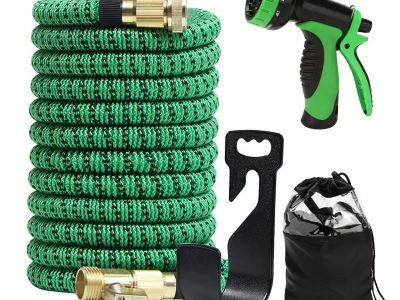
Selecting the right plasticizers and managing migration in flexible PVC garden hoses is crucial for ensuring their performance and longevity. As a B2B buyer, understanding the implications of plasticizer selection can affect the durability, flexibility, and safety of your garden hoses. This article will guide you through the key considerations in choosing plasticizers, specifications for bulk orders, sourcing reliable suppliers, installation guidance, and solutions to common issues with PVC garden hose.
What to Consider When Choosing Plasticizers for PVC Garden Hoses
When selecting plasticizers for flexible PVC garden hoses, consider the following factors:
Compatibility: Ensure that the plasticizer is compatible with PVC to maintain the integrity of the hose. Common plasticizers, such as phthalates or non-phthalates, can influence the physical properties of the hose, such as flexibility and resistance to aging.
Migration Resistance: Migration refers to the leaching of plasticizers from the PVC material, which can compromise the performance of the garden hose. Selecting low-migration plasticizers can mitigate this issue, ensuring that the hose maintains its flexibility and does not harden over time.
Regulatory Compliance: Depending on your market, you may need to comply with specific regulations regarding plasticizers, particularly concerning environmental safety and human health. Ensure that the chosen plasticizer meets all relevant regulatory requirements.
Performance Requirements: Different applications may necessitate specific performance characteristics, such as temperature resistance, UV stability, or chemical resistance. Identify the intended use of your garden hose reel to select suitable plasticizers that meet those performance criteria.
Cost Considerations: While it is essential to choose high-quality plasticizers for durability and performance, balance this with cost considerations. Assess the total cost of ownership, including potential replacements or repairs due to poor plasticizer selection.
Key Specifications for Bulk Orders of PVC Garden Hoses
When placing bulk orders for PVC garden hoses, key specifications to confirm include:
Dimensions: Specify the hose diameter and length, as these will influence compatibility with existing fittings and the intended application.
Material Composition: Confirm the PVC formulation, including the type of plasticizers used, to ensure it meets your performance and regulatory requirements.
Pressure Rating: Determine the pressure rating of the hoses, which is essential for applications that require specific pressure capabilities. This specification will dictate the garden hose pump ability to withstand internal pressure without rupturing.
Temperature Range: Ensure that the hoses can operate effectively within the temperature range expected in their application, whether it be exposure to heat from sunlight or freezing temperatures.
Testing Standards: Request information on any relevant testing standards that the hoses meet, such as ASTM or ISO certifications, which can provide assurance of quality and performance.
Minimum Order Quantity (MOQ): Understand the supplier’s MOQ, as this will affect your purchasing strategy. Compare MOQs among suppliers to find the best fit for your needs.
Where to Source Reliable Suppliers for PVC Garden Hoses
Sourcing reliable suppliers for PVC garden hoses involves several strategies:
Industry Directories: Utilize industry-specific directories and platforms to find manufacturers with a proven track record in producing high-quality garden hoses.
Trade Shows: Attend relevant trade shows to meet suppliers in person, allowing you to assess their products, capabilities, and business practices directly.
Online Reviews and References: Look for reviews and testimonials from previous customers to gauge supplier reliability. Request references and follow up to ensure that the supplier has a history of meeting delivery timelines and quality standards.
Certifications and Compliance: Ensure that potential suppliers hold the necessary certifications for quality and safety, which can serve as a testament to their commitment to maintaining high manufacturing standards.
Local versus Overseas Suppliers: Evaluate the benefits and drawbacks of sourcing from local suppliers versus overseas manufacturers. Local suppliers may offer shorter lead times and easier communication, while overseas suppliers may provide cost advantages.
Installation Guidance for Flexible PVC Garden Hoses
Proper installation of flexible PVC garden hoses is critical to their performance and longevity. Here are some guidelines to follow:
Preparation: Before installation, ensure that the location is free from sharp edges or abrasive surfaces that could damage the hose.
Connection: Use compatible fittings and couplings that are designed specifically for PVC hoses. This helps prevent leaks and ensures a secure connection.
Avoiding Kinks: While flexible, PVC hoses can kink if not handled properly. Ensure that the hose is laid out straight during installation to minimize the risk of kinking.
Testing: After installation, conduct a pressure test to ensure that the connections are secure and that there are no leaks. This step is vital for both performance and safety.
Maintenance Checks: Regularly inspect the hoses for any signs of wear, damage, or leaks. Addressing issues promptly will extend the lifespan of the hoses.
Common Problems with PVC Garden Hoses and Their Solutions
Several common issues may arise with PVC garden hoses. Here are solutions to address them:
Kinking: If kinking occurs, ensure the hose is stored properly, avoiding tight bends. Consider using hose reels or hangers to prevent kinking during storage.
Leaking Joints: Leaks at connections may result from improper installation or wear. Regularly inspect fittings and consider using thread tape or sealant to enhance the seal.
UV Damage: Prolonged exposure to sunlight can deteriorate the hose material. If hoses are frequently used outdoors, consider UV-resistant options or store hoses away from direct sunlight when not in use.
Plasticizer Migration: If hoses become stiff or brittle, it may indicate plasticizer migration. Selecting low-migration plasticizers and ensuring proper installation can help mitigate this issue.
Clogging: Regularly flush hoses with clean water to prevent buildup of debris, which can lead to clogs and reduced water flow.
By understanding these considerations regarding plasticizer selection and migration control in flexible PVC garden hoses, you can make informed purchasing decisions that enhance the performance and longevity of your products.