
 EN
 AR
 FR
 DE
 KO
 CS
 DA
 NL
 FI
 EL
 IT
 JA
 NO
 PL
 PT
 RO
 RU
 ES
 SV
 TL
 IW
 ID
 LV
 LT
 SR
 SK
 SL
 UK
 SQ
 ET
 HU
 TH
 TR
 FA
 AF
 IS
 MK
 KA
 UR
 BN
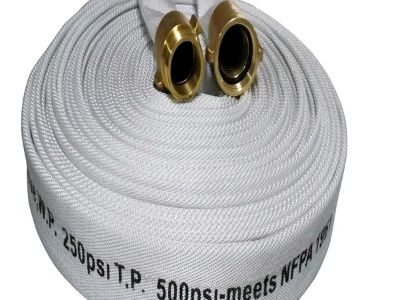
Extrusion die design plays a crucial role in the manufacturing of fire hose tubes, influencing their uniformity and overall performance. For B2B buyers, ensuring consistent quality in fire hose tubes is vital, as it affects reliability and safety in various applications. This article will explore how extrusion die design impacts fire hose tube uniformity, address common production challenges, and offer best practices to achieve optimal results.
Ensuring Uniformity
Uniformity in fire hose is essential for several reasons. First, it ensures consistent performance under pressure, which is critical in firefighting applications. Any variation in thickness or material distribution can lead to weak points that may fail during use. Extrusion die design directly influences the flow of molten material during the manufacturing process, which in turn affects the final dimensions and characteristics of the fire hose tube.
A well-designed extrusion die facilitates an even distribution of material, resulting in hoses that have consistent wall thickness and physical properties. This uniformity is crucial for achieving the necessary strength and flexibility in fire hoses, which must withstand high pressures and harsh environmental conditions.
Common Problems in Fire Hose Tube Production and Solutions
Despite the importance of uniformity, several challenges can arise during the production of fire hose tubes. Common issues include:
Inconsistent Material Flow: Variations in temperature or pressure during extrusion can cause uneven flow, leading to non-uniform thickness. To mitigate this, manufacturers should maintain strict control over processing conditions and regularly calibrate equipment.
Die Wear: Over time, extrusion dies may wear down, leading to shape distortions and inconsistencies. Regular maintenance and timely replacement of dies can help maintain product quality.
Material Quality: The choice of raw materials significantly impacts the uniformity of the finished product. Using high-quality, consistent polymers and additives is essential. Suppliers should ensure that materials meet specified standards before production begins.
Cooling Variations: Uneven cooling of extruded tubes can lead to warping or dimensional changes. Implementing a uniform cooling system can help maintain shape and size consistency.
By proactively addressing these issues, manufacturers can enhance the uniformity and quality of fire hose tubes, ensuring they meet stringent safety and performance standards.
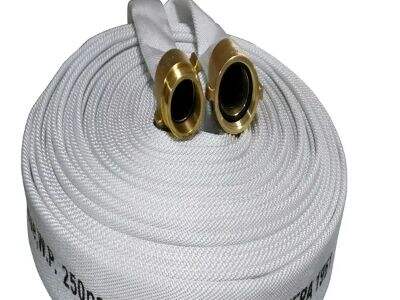
Evaluating Material Advantages for Fire Hose Tube Uniformity
The materials used in fire hose tube production play a significant role in achieving uniformity. Different polymers offer distinct advantages:
Polyvinyl Chloride (PVC): Known for its durability and resistance to chemicals, PVC is a common choice for fire hoses. Its consistent flow properties during extrusion contribute to uniform wall thickness.
Thermoplastic Polyurethane (TPU): TPU offers excellent flexibility and abrasion resistance, making it ideal for hoses used in rugged environments. Its processing characteristics can help achieve uniformity if managed correctly during extrusion.
Nitrile Rubber: For hoses exposed to oil or fuel, nitrile rubber provides superior resistance. However, it requires careful handling during extrusion to maintain uniformity.
When selecting materials, buyers should consider the specific application requirements and ensure that the chosen material's flow characteristics align with the desired uniformity in the final product.
Best Practices
To achieve optimal fire hose tube uniformity, manufacturers should implement several best practices:
Precision Die Design: Invest in advanced die design techniques, including computer-aided design (CAD) simulations, to predict and optimize material flow patterns.
Regular Quality Checks: Conduct routine inspections and testing of the hoses during production. This includes checking wall thickness, diameter, and flexibility to ensure they meet specified tolerances.
Control Processing Conditions: Maintain consistent temperatures, pressures, and cooling rates throughout the extrusion process. This will help minimize variations that can affect uniformity.
Sample Testing: Before full-scale manufacturing, conduct sample tests under real-world conditions. This ensures that the hoses perform as expected and meet safety standards.
Feedback Loop: Establish a feedback mechanism with quality control teams to quickly identify & address any uniformity issues that arise during production.
By adhering to these best practices, manufacturers can significantly enhance the uniformity of their fire hose tubes, thereby boosting reliability and safety. 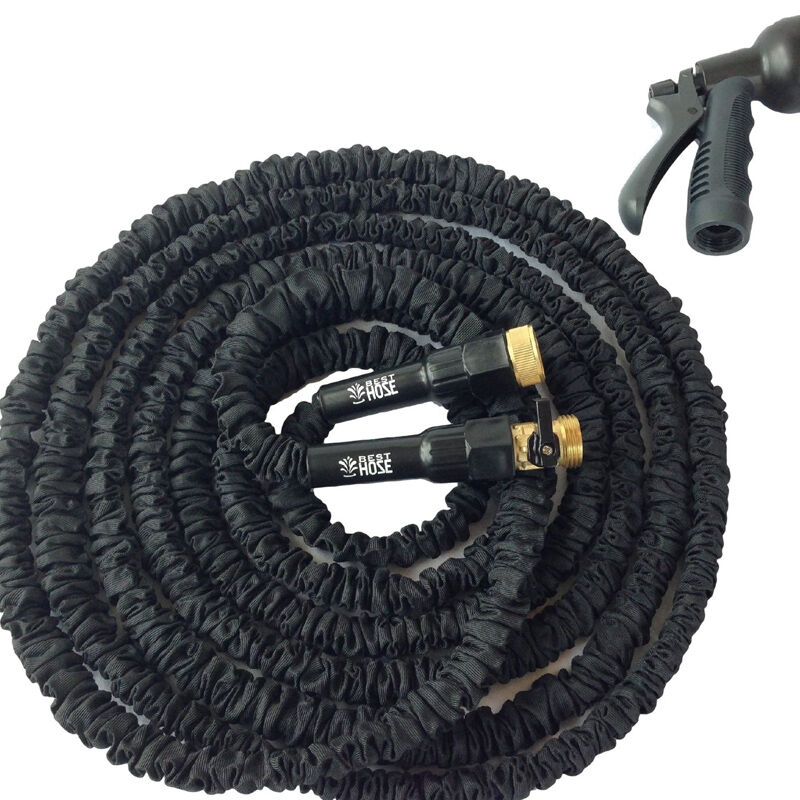
Applications of Uniform Fire Hose Tubes in Various Industries
Uniform Garden Hose have a wide range of applications across various sectors, reinforcing their importance in manufacturing. Key industries include:
Firefighting: In this critical application, uniformity ensures that hoses can withstand high pressures & deliver water effectively. Any inconsistency can lead to catastrophic failures during emergencies.
Industrial Applications: Many industries, including oil and gas, use fire hoses for safety measures. Uniform tubes provide reliable performance in hazardous environments, minimizing the risk of accidents.
Agriculture: Fire hoses are often used in irrigation systems. Uniformity in these hoses ensures consistent water distribution, which is vital for crop management.
Construction: Fire hoses are essential for construction sites, where uniformity ensures that hoses can handle the rigors of heavy machinery and rough handling.
By understanding the applications of uniform fire hose tubes, buyers can better assess the specifications and performance they require from their suppliers, thereby making informed purchasing decisions.
In summary, extrusion die design significantly impacts the uniformity of fire hose tubes, which is crucial for their performance across various applications. By addressing common production challenges, evaluating material advantages, and implementing best practices, manufacturers can enhance the quality and reliability of their products, ultimately meeting the demands of their B2B customers.