EN
EN
 AR
AR
 FR
FR
 DE
DE
 KO
KO
 CS
CS
 DA
DA
 NL
NL
 FI
FI
 EL
EL
 IT
IT
 JA
JA
 NO
NO
 PL
PL
 PT
PT
 RO
RO
 RU
RU
 ES
ES
 SV
SV
 TL
TL
 IW
IW
 ID
ID
 LV
LV
 LT
LT
 SR
SR
 SK
SK
 SL
SL
 UK
UK
 SQ
SQ
 ET
ET
 HU
HU
 TH
TH
 TR
TR
 FA
FA
 AF
AF
 IS
IS
 MK
MK
 KA
KA
 UR
UR
 BN
BN
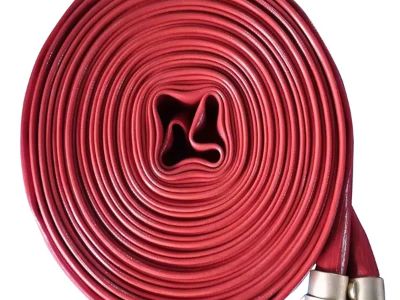
Understanding the impact of hose wall thickness on flexibility, durability, and material consumption is crucial for selecting the right Fire Hose Reel for various applications. Purchasing managers, engineers, and product managers often face challenges in balancing performance and cost-effectiveness. This article will explore how hose wall thickness influences these key aspects and provide practical insights for making informed purchasing decisions.
Impact of Hose Wall Thickness on Flexibility and Durability
Hose wall thickness significantly affects both flexibility and durability. Thicker walls generally provide greater durability and resistance to wear and tear, which is essential for hoses used in high-pressure environments or where abrasion is likely. For instance, a fire hose intended for rugged use may require increased wall thickness to withstand harsh conditions without compromising its integrity.
Conversely, flexibility is often reduced with increased wall thickness. A hose that is too rigid can be difficult to maneuver, especially in emergency situations where quick deployment is necessary. Therefore, achieving the right balance between thickness and flexibility is vital. For applications where maneuverability is key, such as in fire-fighting scenarios, a hose with a moderate wall thickness may be ideal.
How Hose Wall Thickness Affects Fire Hose Performance in Applications?
In various applications, the performance of a fire hose is directly linked to its wall thickness. For example, in situations requiring high burst strength, such as firefighting, thicker hoses are typically preferred as they can handle higher pressures without risk of failure. This is particularly important when hoses are deployed over rough terrain or in environments with sharp objects.
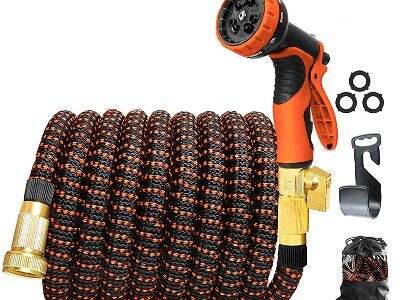
Moreover, thinner hoses can be advantageous in applications requiring lightweight and flexible solutions, such as garden hoses or spray hoses. These applications benefit from reduced material consumption, making thinner hoses more cost-effective. However, buyers should be cautious; while thinner hoses may reduce initial costs, they can lead to increased maintenance or replacement costs if they fail to perform under stress.
Choosing the Right Hose Wall Thickness for Your Needs
Selecting the appropriate hose wall thickness involves assessing the specific requirements of the application. Key factors to consider include:
Pressure Ratings: Ensure that the hose thickness meets the necessary pressure ratings for your application. Higher pressures typically require thicker walls.
Environmental Conditions: Consider the environment in which the hose will be used. For instance, hoses exposed to extreme temperatures or corrosive substances may need thicker walls or specific materials to enhance durability.
Flexibility Requirements: Evaluate how much flexibility is required. If the hose must navigate tight spaces or be easily maneuvered, a thinner wall may be more suitable.
Material Considerations: The choice of material can affect the required wall thickness. For example, certain materials can provide strength at reduced thickness.
By prioritizing these factors, buyers can better align their hose selection with the intended application, enhancing both performance and cost-effectiveness.
Understanding the Cost Implications of Hose Thickness
Cost implications of hose wall thickness should not be overlooked during the purchasing process. Generally, thicker hoses are more expensive due to the increased material and manufacturing costs involved. However, this expense must be weighed against the potential costs associated with failures or replacements in critical applications.
Initial Investment vs. Long-term Costs: While a thicker hose may have a higher upfront cost, it may reduce the frequency of replacements and maintenance, leading to lower long-term operational costs.
Material Consumption: Thicker hoses consume more raw materials, impacting overall production costs. Buyers should consider whether the additional material is justified based on application needs.
Supplier Options: Different manufacturers may offer varying pricing for hoses of similar specifications. Jiangsu Nantong Longtao Fire-Hose Group Co., Ltd., for instance, provides a range of options to meet different budgetary and performance needs, ensuring buyers can find a suitable product without sacrificing quality.
Understanding these cost dynamics helps buyers make informed decisions that align with both their budgetary constraints and performance requirements.
Best Practices for Different Hose Wall Thicknesses
When working with different hose wall thicknesses, it’s essential to follow best practices to optimize performance & longevity:
Testing Samples: Before mass production, always test samples under actual conditions to ensure that the chosen wall thickness meets performance expectations. This can help identify issues that may not be apparent in theoretical evaluations.
Quality Inspection: Implement rigorous quality control processes to inspect the wall thickness and overall integrity of the hoses. This is critical to ensure that they meet the specified standards and are free from defects.
Customization Options: Take advantage of customization capabilities offered by manufacturers. Depending on the application, hoses can be tailored in terms of thickness, material, and features to better meet specific needs.
Regular Maintenance: Establish a maintenance routine to inspect hoses for wear and tear, especially in high-use environments. Addressing minor issues early can prolong the life of the hose.
Educating Users: Ensure that all personnel who will be using the hoses are trained on proper handling and storage techniques. Misuse can lead to premature failure, particularly with thinner hoses.
By adhering to these best practices, buyers can maximize the effectiveness and lifespan of their Fire Hose Nozzle, ultimately leading to better performance in critical applications.