
 EN
EN
 AR
AR
 FR
FR
 DE
DE
 KO
KO
 CS
CS
 DA
DA
 NL
NL
 FI
FI
 EL
EL
 IT
IT
 JA
JA
 NO
NO
 PL
PL
 PT
PT
 RO
RO
 RU
RU
 ES
ES
 SV
SV
 TL
TL
 IW
IW
 ID
ID
 LV
LV
 LT
LT
 SR
SR
 SK
SK
 SL
SL
 UK
UK
 SQ
SQ
 ET
ET
 HU
HU
 TH
TH
 TR
TR
 FA
FA
 AF
AF
 IS
IS
 MK
MK
 KA
KA
 UR
UR
 BN
BN
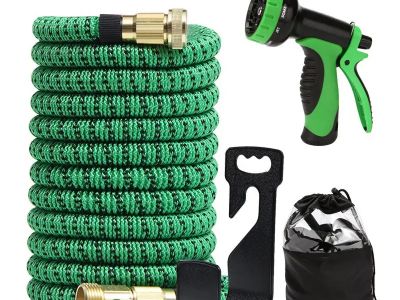
Controlling surface defects during garden hose extrusion production is crucial for ensuring product quality and durability. In the competitive landscape of manufacturing, particularly for buyers such as purchasing managers and engineers, minimizing defects not only impacts performance but also affects customer satisfaction and operational costs. This article will provide insights into key specifications, common defect solutions, functionality assurance, sourcing considerations, and a guide for wholesale buyers, helping you make informed decisions in your procurement process.
Key Specifications for Bulk Orders
When sourcing garden hoses in bulk, it’s essential to focus on several key specifications that dictate performance and suitability for various applications.
Material Composition: The choice of materials, such as PVC, rubber, or polyurethane, affects not only the hose's flexibility and weight but also its resistance to abrasion, UV exposure, and temperature variations. For example, garden hose designed for heavy-duty use should feature reinforced materials that resist punctures and wear.
Diameter and Length: Standard diameters typically range from 1/2 inch to 1 inch, affecting water flow rates and pressure capabilities. Lengths can vary based on application needs, with common sizes being 50 to 100 feet. Understanding the specific application will help determine the appropriate dimensions.
Pressure Ratings: Hoses often have different pressure ratings, which are critical for determining their suitability for various tasks. Ensure to verify the maximum working pressure (MWP) to avoid failures during operation.
Surface Finish: The internal and external surface finish can influence both performance and aesthetics. A smooth interior can reduce flow resistance, while a textured exterior can enhance grip and durability.
For bulk orders, ensure that these specifications are clearly communicated and verified with your supplier to mitigate risks associated with defects and performance issues.
Solutions to Common Surface Defect Problems
Surface defects can arise from various issues during the extrusion process, impacting the final product's quality. Here are common problems and their solutions:
Bubbles and Blisters: These defects often result from trapped air during extrusion. To minimize this, it’s vital to control processing temperatures and ensure proper material mixing. Implementing vacuum systems can also help eliminate air pockets.
Cracks and Fissures: Often caused by improper cooling rates or material stress, cracks can significantly impact the compact garden hose longevity. Using controlled cooling methods and selecting materials that are less prone to cracking under stress are effective preventive measures.
Discoloration: This can occur due to improper material handling or exposure to UV light during production. Using UV-stabilized materials can prevent discoloration, ensuring a uniform appearance that meets customer expectations.
Surface Roughness: Excessive roughness can result from incorrect die design or material quality. Regular maintenance of extrusion equipment and using high-quality raw materials can help achieve the desired surface finish.
By addressing these common defects proactively, manufacturers can enhance product reliability and customer satisfaction.
Ensuring Optimal Functionality of Garden Hoses
To ensure that garden hoses function optimally, several factors should be considered during the production and sourcing phases:
Testing for Flexibility and Durability: Hoses should undergo rigorous testing for flexibility and resistance to kinking. This is particularly important in applications requiring frequent handling or movement.
Compatibility with Connectors and Nozzles: Ensuring that hoses are compatible with standard connectors and nozzles is essential for seamless operation. Verify compatibility with existing systems to avoid operational issues.
Performance in Various Conditions: Consider the environmental conditions the collapsible garden hose will encounter, such as extreme temperatures or exposure to chemicals. Selecting materials that can withstand such conditions will enhance the hose's lifespan.
Quality Control Protocols: Implementing strict quality control measures throughout the production process is key. This includes regular inspections and testing of hoses for pressure resistance and flow rates before they are shipped.
By prioritizing these factors, manufacturers can deliver products that meet or exceed customer expectations.
What to Consider When Sourcing Garden Hoses?
Sourcing garden hoses requires careful consideration of multiple factors to ensure that the final product aligns with your application needs:
Supplier Reputation: Evaluate potential suppliers based on their manufacturing capabilities, experience, and customer reviews. A reputable supplier, like Jiangsu Nantong Longtao Fire-Hose Group Co., Ltd., known for its quality-first approach, can be a reliable partner.
Customization Options: Many buyers require specific features or branding on hoses. Inquire about a supplier’s customization capabilities, including color, length, and printing options, to meet your unique requirements.
Minimum Order Quantities (MOQ): Understand the MOQ policies of your suppliers. This can help you manage inventory levels and costs effectively.
Lead Times: Confirm lead times for production and delivery. Delays can affect your operations, so it’s important to ensure that the supplier can meet your timelines.
Certifications and Compliance: Ensure that the hoses meet industry standards and certifications relevant to your application. This can include safety certifications or compliance with environmental regulations.
By considering these factors, buyers can minimize risks and ensure they receive high-quality products that meet their operational needs.
A Guide for Wholesale Buyers
As a wholesale buyer, preparing effectively for a request for quotation (RFQ) can streamline your sourcing process:
Detailed Specifications: Provide comprehensive specifications, including the type of hose, required dimensions, material preferences, and any performance criteria. This clarity will help suppliers provide accurate quotations.
Quantity Requirements: Clearly state the quantity you are interested in to assist suppliers in calculating pricing and lead times.
Application Context: Explain the intended application for the hoses. This information helps suppliers recommend the most suitable products and materials.
Customization Requests: If customization is needed, specify your requirements, including branding or unique features.
Quality Assurance Checks: Outline any specific quality assurance checks that are important to your procurement process. This could include testing for pressure resistance, material quality, or surface finishes.
Sample Requests: Consider requesting samples before proceeding with a bulk order. Testing samples under actual operating conditions can provide valuable insights into performance and suitability.
By following these guidelines, wholesale buyers can enhance their sourcing process, ensuring they procure garden hoses that meet their specific needs effectively.
