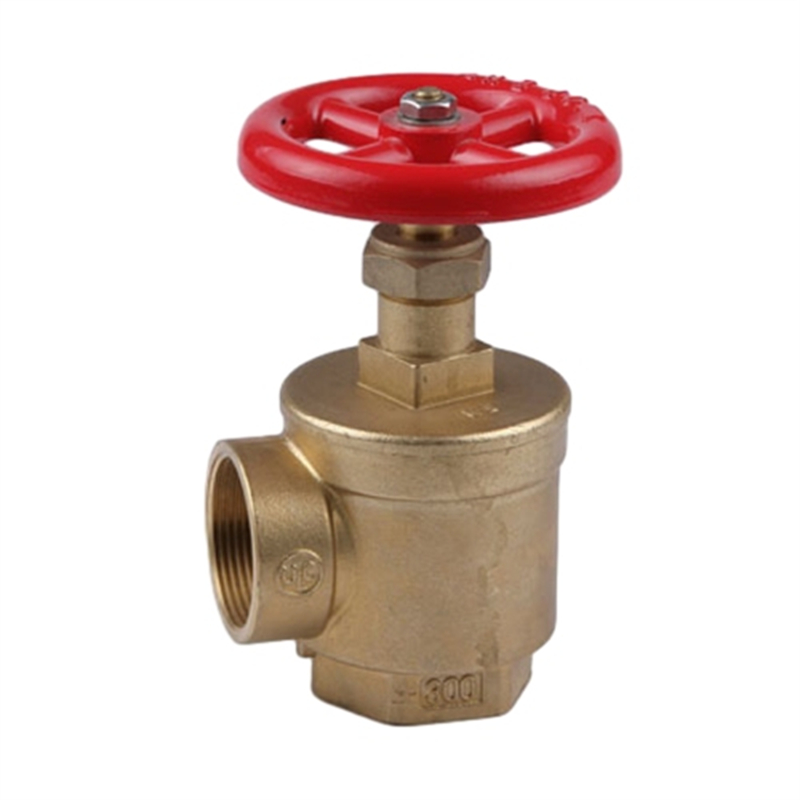
Understanding the Nakajima fire nozzle is essential for professionals in the fire safety and firefighting industries. These nozzles play a critical role in the effective application of water and fire retardants during emergencies. Buyers, including purchasing managers, distributors, and engineers, often have concerns regarding compatibility, performance specifications, and supplier reliability. This article will provide insights into how to select the right garden hose nozzles, offer a comprehensive comparison of available options, guide you in finding reliable suppliers, and address common issues with these nozzles along with their solutions.
Selecting the appropriate longtao Nakajima fire nozzle involves understanding your specific application needs and operational environment. Key considerations include:
Nozzle Type: Nakajima nozzles come in various types, including adjustable spray and fixed pattern options, suitable for different firefighting scenarios. Determine whether you need a nozzle that offers versatility in spray patterns or one that provides a specific output.
Flow Rate and Pressure: Evaluate the flow rate (measured in liters per minute) and the pressure requirements (psi) for your operational needs. The nozzle's design must match the available water supply and pressure capabilities of your firefighting equipment.
Material and Durability: The construction material of the nozzle impacts its resistance to corrosion, heat, and impact. Common materials include aluminum and brass, each with its own benefits. Choose a material that aligns with your working conditions and expected usage frequency.
Compatibility: Ensure that the chosen fire garden hose nozzle is compatible with your existing fire hose and fittings. Check manufacturer specifications for threading types and sizes to prevent connection issues.
Customization Options: If your application requires specific features, consult with suppliers about customization capabilities. This could include different spray patterns, materials, or sizes tailored to your operational needs.
By addressing these factors, you can make an informed decision that meets your organization’s firefighting requirements.
Adjustable nozzles offer flexibility in flow rates and spray patterns, making them suitable for various situations. They are particularly beneficial in dynamic environments where conditions can change rapidly. Conversely, fixed pattern nozzles provide a consistent output and are more robust, often preferred in specialized applications.
Understanding these differences can help buyers select the right nozzle type for their specific firefighting tasks.
Finding a dependable supplier for Nakajima fire nozzles is crucial for ensuring quality and performance. Here are steps to identify reliable suppliers:
Industry Networks: Leverage industry connections and networks. Attend trade shows, exhibitions, and conferences related to fire safety and firefighting equipment. Engaging with peers can provide valuable recommendations and insights.
Online Research: Utilize online platforms that specialize in industrial equipment to search for suppliers. Look for manufacturers with strong reputations, verified customer reviews, and a history of supplying to markets such as the US and Germany.
Certifications and Standards: Ensure that the supplier adheres to relevant industry standards and certifications. This ensures that the nozzles meet quality and safety requirements.
Sample Requests: Before committing to a large order, request samples to evaluate the nozzle's performance and compatibility with your existing systems. Testing samples under actual operating conditions can reveal potential issues.
Customization Capabilities: Discuss with suppliers their ability to customize products. A supplier that can adapt to your specific requirements demonstrates a commitment to customer satisfaction.
By following these steps, you can establish a partnership with a supplier that meets your operational needs effectively.
When preparing to purchase longtao Nakajima fire nozzles, follow this step-by-step guide:
Define Requirements: Assess your operational needs, including nozzle type, flow rate, and material preferences based on the application environment.
Research Suppliers: Identify potential suppliers through industry networks and online searches. Compile a list based on reviews, certifications, and customization capabilities.
Request Quotes: Contact suppliers to request detailed quotes. Include specifications such as type, material, and quantity to receive accurate pricing.
Evaluate Samples: Once you receive samples, conduct performance testing. Check for compatibility with existing equipment and evaluate the nozzle's functionality under real-world conditions.
Finalize Order: After assessing samples and confirming specifications, finalize your order. Discuss lead times, packaging, and shipping details with the supplier to ensure timely delivery.
Quality Inspection: Upon receiving your order, conduct a quality inspection to verify that the nozzles meet the agreed-upon specifications before deploying them in operations.
Following this structured approach will enhance your purchasing process and ensure you select the firefighter garden hose nozzle for your needs.
The company places a strong emphasis on quality, which is fundamental to its survival and success. It is dedicated to the manufacturing, production, and research and development of fire-fighting equipment, including custom-made solutions for domestic and foreign professional fire brigades. The company holds multiple patent certificates for its independently developed intellectual property products, showcasing its innovative capabilities and commitment to advancing fire safety technology.
Jiangsu Nantong Longtao Fire-Hose Group Co., Ltd. is officially recognized by the Ministry of Public Security as a designated enterprise for the production of fire hoses, fire hydrants, and fire boxes. This designation underscores the company's compliance with stringent national standards and its commitment to producing high-quality fire safety equipment. Being a government-designated enterprise also reflects the company's reliability and trustworthiness in the industry.
With an annual production capacity of 10 million meters of fire hose and 7,000 sets of fire hydrant boxes, the company demonstrates its ability to meet large-scale demands efficiently. The product range is extensive, including lined fire hoses (single and double jacket), double-coated fire hoses, fire hose reels, plastic-coated hoses, spray fire hoses, garden hoses, and specialized nozzles and couplings that meet various international standards. This diversity allows the company to cater to a wide array of customer needs across different markets.
Jiangsu Nantong Longtao Fire-Hose Group Co., Ltd. has successfully exported its high-quality products to numerous countries, including the United States, Germany, Italy, Russia, South Korea, Japan, Vietnam, and the Middle East. The company adheres to a customer-first philosophy, offering high-quality, cost-effective products and services. Its commitment to honest cooperation and mutual benefit ensures long-term partnerships and a win-win situation for both the company and its clients. This global presence and customer-centric approach highlight the company's ability to compete and thrive in the international market.
While longtao Nakajima fire nozzles are designed for reliability, some common issues may arise:
Clogging: Debris or mineral buildup can clog nozzles, reducing effectiveness. Regular maintenance and cleaning are essential. Use appropriate cleaning tools and methods to prevent residue accumulation.
Incompatible Connections: Mismatched fittings can lead to leaks or ineffective operation. Always verify that the nozzle's threading matches your hose and coupling specifications before purchasing.
Wear and Tear: Frequent use can lead to wear, affecting performance. Monitor nozzles for signs of damage or degradation, and replace them as necessary to maintain firefighting effectiveness.
Pressure Fluctuations: Inconsistent pressure can impact nozzle performance. Ensure that your water supply system is stable, and consider using pressure regulators if fluctuations are common.
By being aware of these potential issues and implementing effective maintenance practices, you can ensure that your Nakajima fire nozzles operate efficiently and reliably during critical situations.

Welcome to Jiangsu Nantong Longtao, we are a leading manufacturer specialize in fire hoses, fire hydrants and fire boxes.
No.888 Renmin South Road, Dayu Town,Rudong County, Nantong City, Jiansu Province
Copyright © EVERBRIGHT FIRE-FIGHTING EQUIPMENT(NANTONG)CO., LTD. All Rights Reserved
 EN
 AR
 FR
 DE
 KO
 CS
 DA
 NL
 FI
 EL
 IT
 JA
 NO
 PL
 PT
 RO
 RU
 ES
 SV
 TL
 IW
 ID
 LV
 LT
 SR
 SK
 SL
 UK
 SQ
 ET
 HU
 TH
 TR
 FA
 AF
 IS
 MK
 KA
 UR
 BN