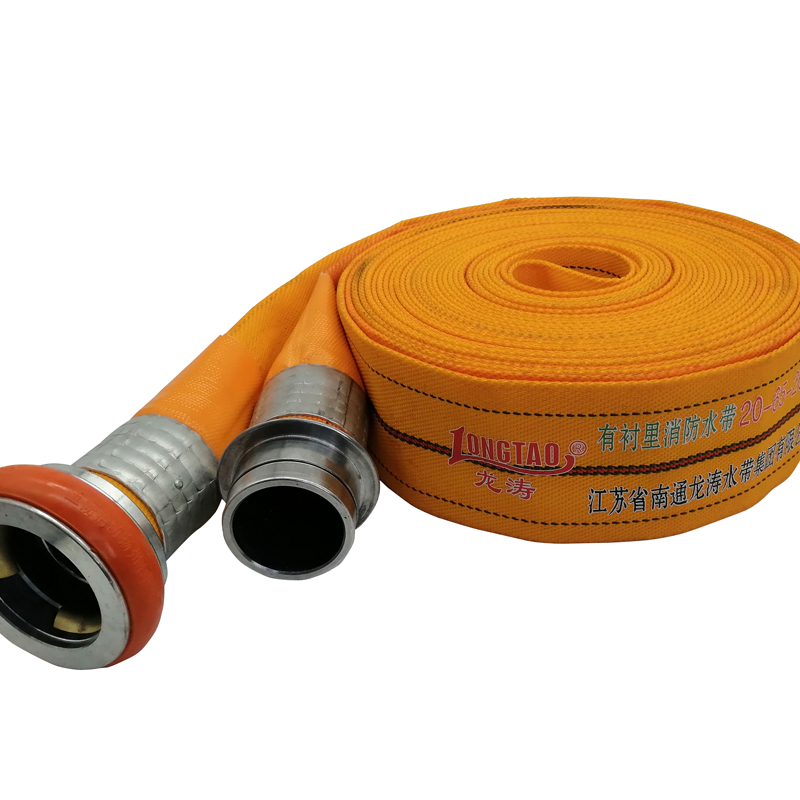
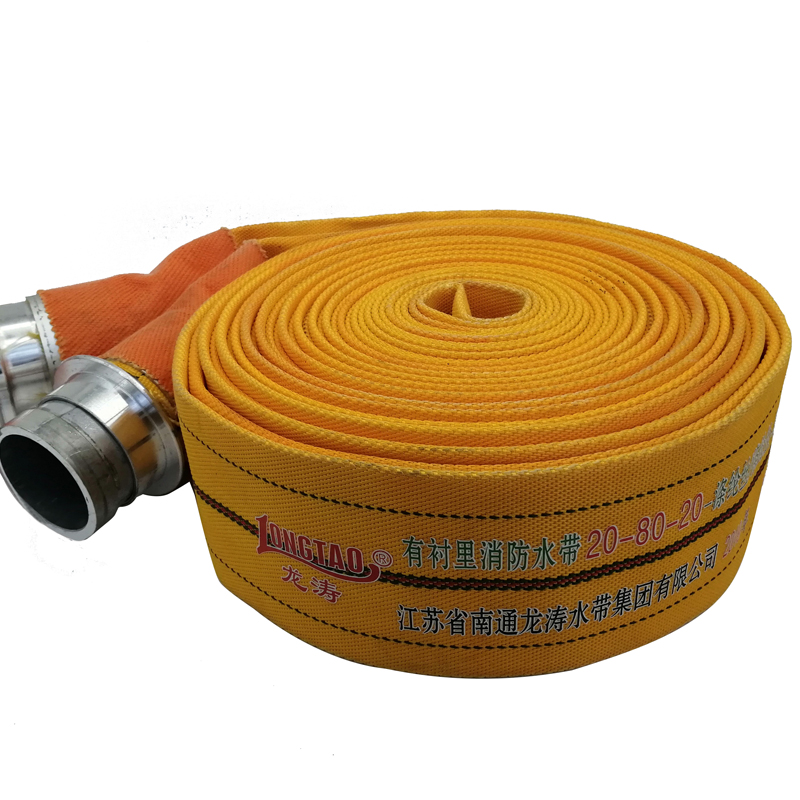
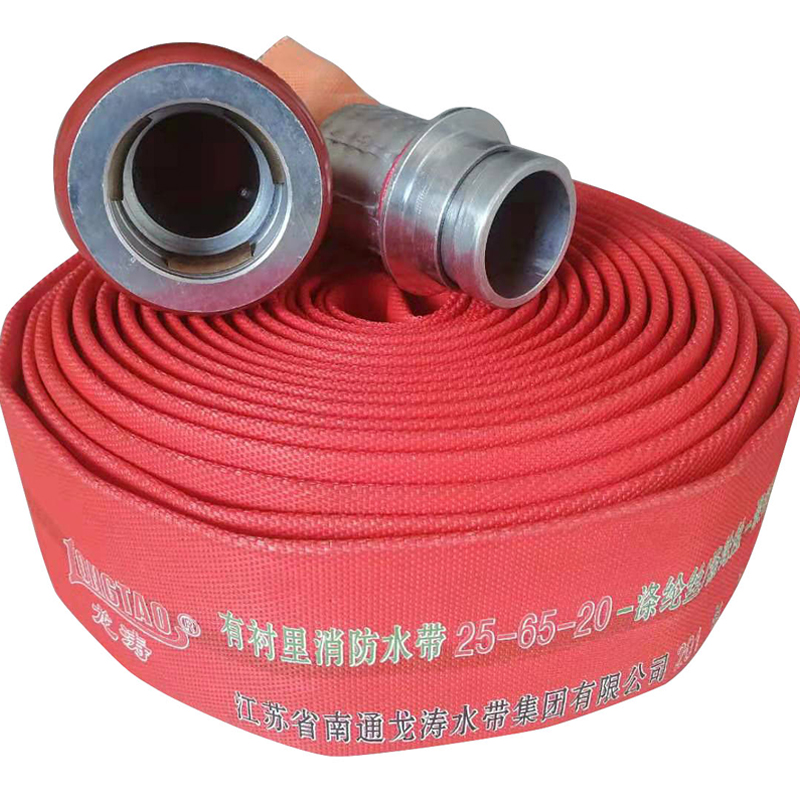
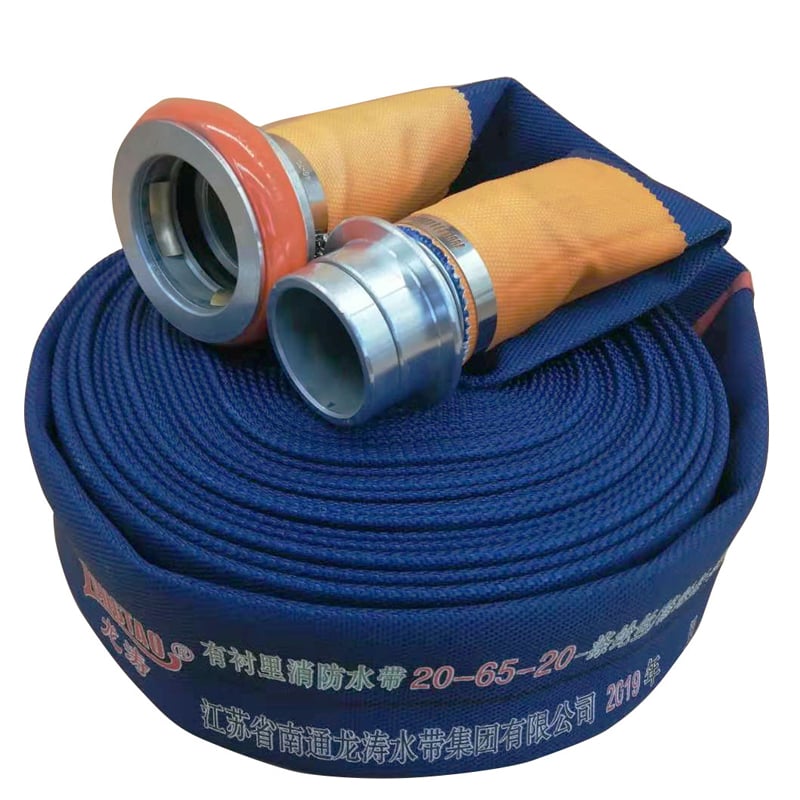
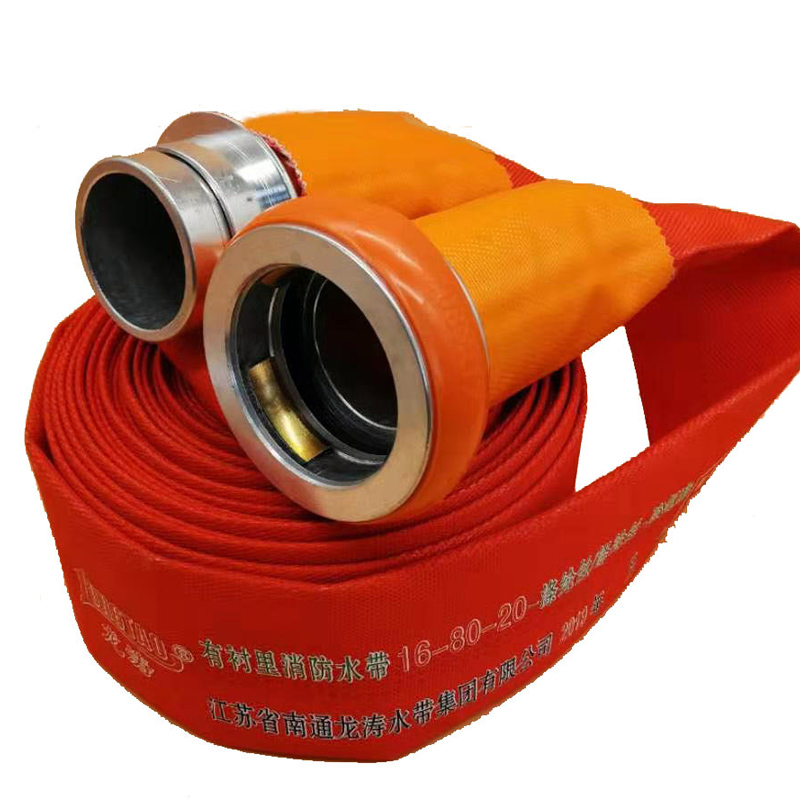
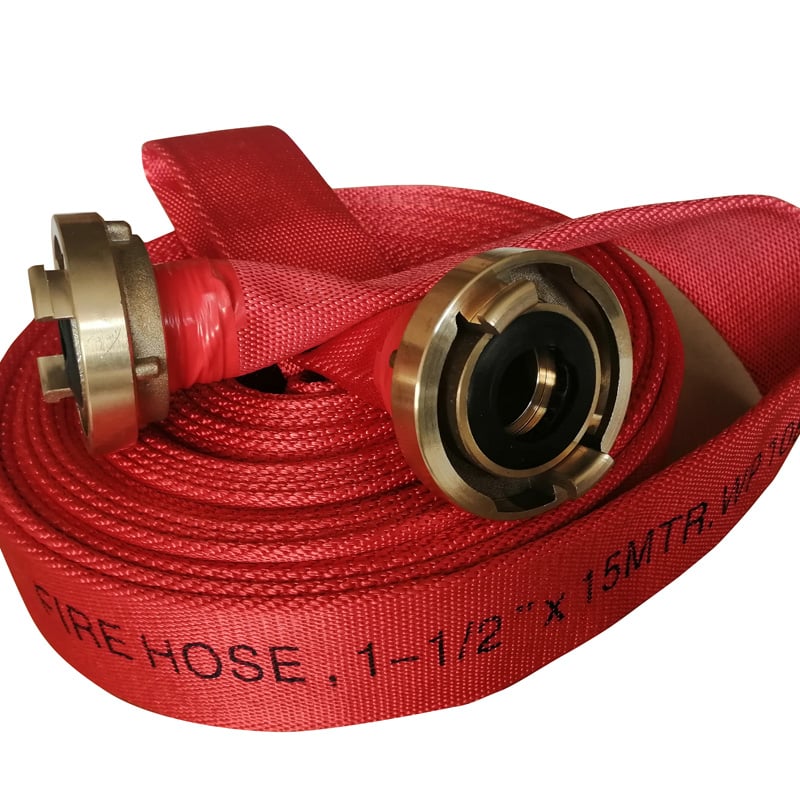
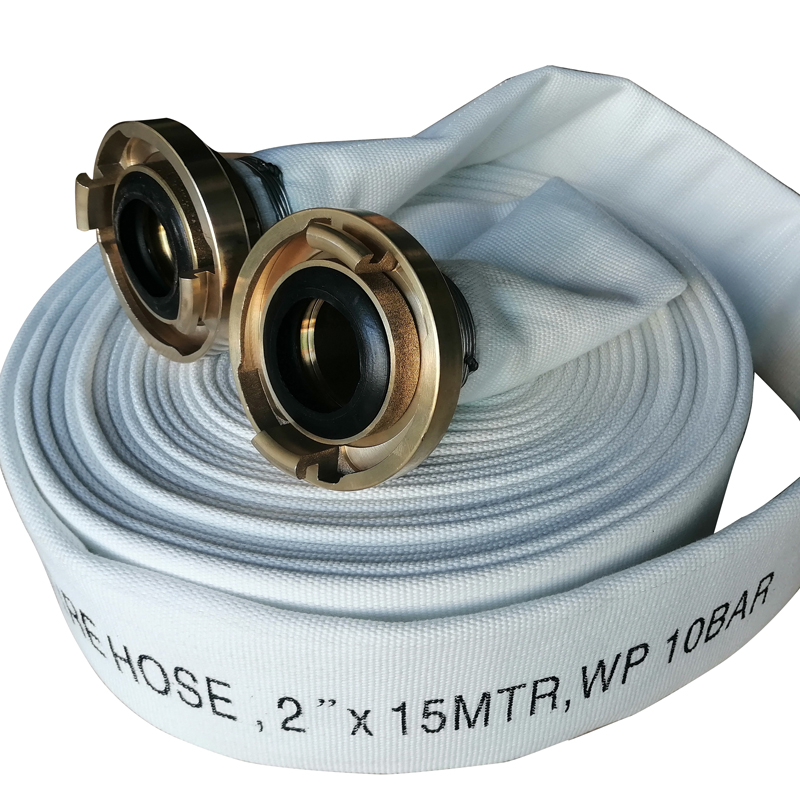
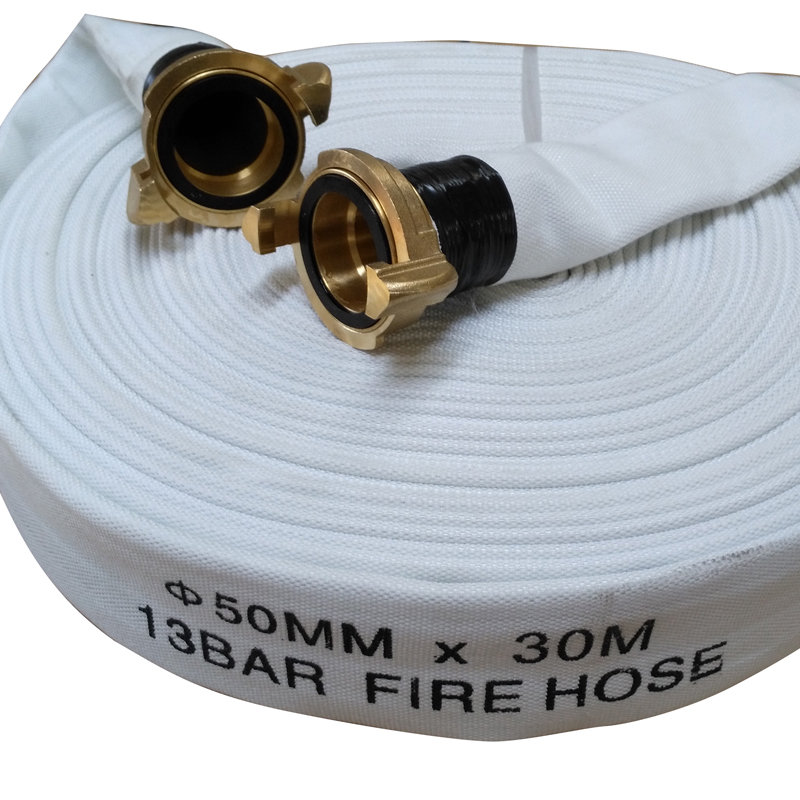
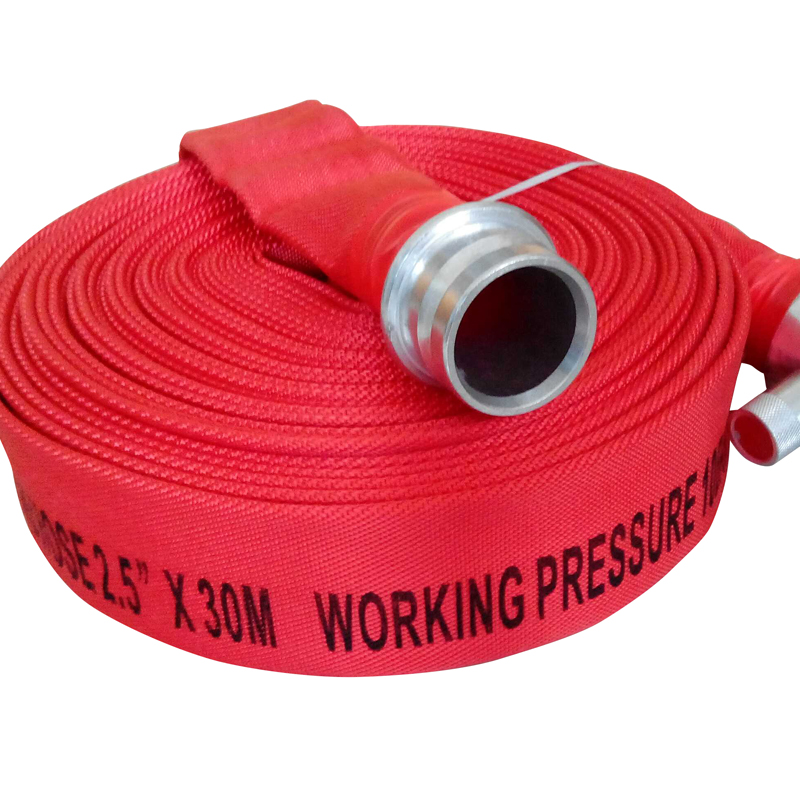
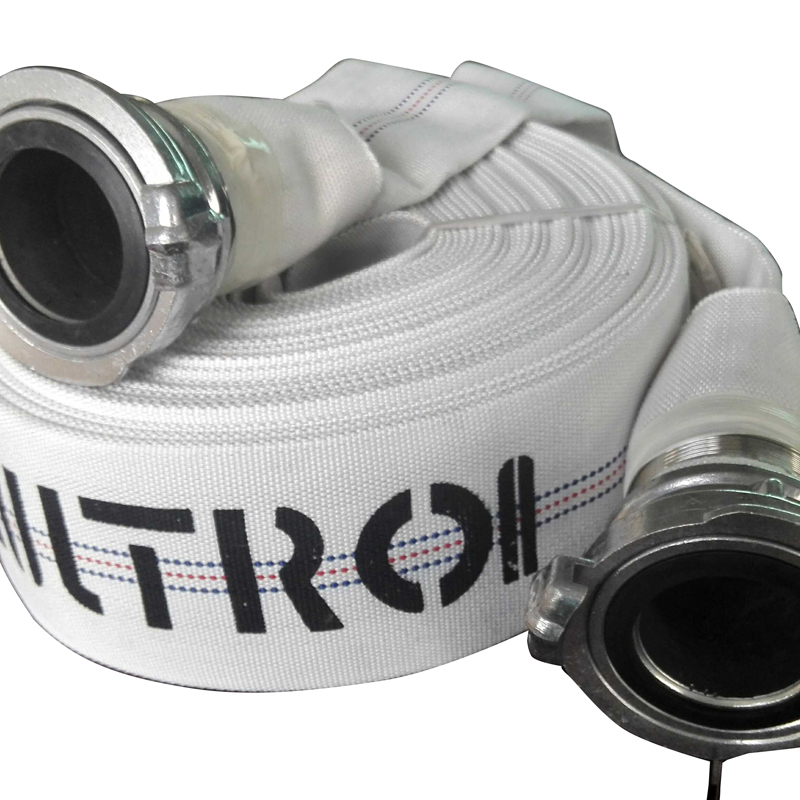
Landing valve cabinets are critical components in fire protection systems, designed to house landing valves that provide direct access to water supplies in case of a fire emergency. For purchasing managers, distributors, and engineers, understanding the specifications, installation guidelines, and applications of landing valve cabinets is essential to ensure safety and compliance in their respective environments. This article will cover the quality standards, installation practices, applications, types, and material advantages of fire hose valve cabinet, helping buyers make informed decisions.
When selecting landing valve cabinets, adhering to quality standards is paramount. These cabinets must meet certain fire safety regulations and industry standards, such as those set forth by the National Fire Protection Association (NFPA) and local building codes. Key quality considerations include the cabinet's construction materials, which should be corrosion-resistant and capable of withstanding environmental conditions.
Additionally, the design must ensure that the landing valves are easily accessible and functional during emergencies. Buyers should verify that the manufacturer conducts rigorous quality control processes, including material testing and final inspections, to ensure compliance with these standards. This diligence minimizes risks associated with equipment failure during critical moments.
Proper installation of longtao landing valve cabinets is crucial for their effectiveness. Buyers should follow these guidelines to ensure optimal performance:
Location Selection: Install the cabinet in a well-lit area, easily accessible to firefighters and maintenance personnel. The location should provide clear pathways to avoid obstructions.
Mounting Height: The cabinet should be mounted at a height that allows for easy access to the valves and hoses. Typically, the bottom of the cabinet should be no more than 1.5 meters off the ground.
Secure Fastening: Ensure the cabinet is securely fastened to the wall or a sturdy structure to withstand impact and environmental factors. Use appropriate anchors based on the wall material.
Sealing and Protection: Check that all seams and openings are sealed to prevent water ingress, dust accumulation, and corrosion. This is particularly important in outdoor installations.
Regular Maintenance: Schedule routine inspections to ensure that the fire hose rack cabinet remains in good condition, with all components functional and accessible.
Following these guidelines will help ensure that landing valve cabinets perform effectively when needed.
Longtao landing valve cabinets are versatile and find applications across various industries. Their primary purpose is to provide immediate access to firefighting equipment in commercial buildings, industrial sites, and public facilities. Key applications include:
Industrial Facilities: Factories and warehouses often use landing valve cabinets to provide quick access to water supplies for firefighting. This is crucial in environments where flammable materials are present.
Commercial Buildings: Offices, shopping malls, and hotels install these cabinets as part of their fire safety infrastructure, ensuring compliance with local fire safety regulations.
Public Infrastructure: Schools, hospitals, and government buildings utilize landing valve cabinets to protect occupants and property, often in conjunction with fire hydrants.
Understanding the specific applications and environments in which these cabinets are installed helps buyers determine the appropriate specifications and features required for their projects.
There are various types of landing valve cabinets available in the market, catering to different needs and preferences. Buyers should consider the following types:
Wall-Mounted Cabinets: These are typically installed in accessible locations within buildings. They are ideal for urban environments where space is limited.
Freestanding Cabinets: Suitable for outdoor use, these cabinets are often larger and can accommodate more equipment. They are ideal for industrial sites or larger commercial properties.
Custom Cabinets: Many manufacturers, including Jiangsu Nantong Longtao Fire-Hose Group Co., Ltd., offer custom solutions tailored to specific needs. Buyers can specify dimensions, materials, and additional features based on their requirements.
Material Variations: Landing valve cabinets can be made from various materials, including steel, aluminum, or plastic. Each material has different durability and corrosion resistance levels, impacting longevity and maintenance needs.
By comparing these options, buyers can select the landing valve cabinet that best aligns with their operational needs and environmental conditions.
With an annual production capacity of 10 million meters of fire hose and 7,000 sets of fire hydrant boxes, the company demonstrates its ability to meet large-scale demands efficiently. The product range is extensive, including lined fire hoses (single and double jacket), double-coated fire hoses, fire hose reels, plastic-coated hoses, spray fire hoses, garden hoses, and specialized nozzles and couplings that meet various international standards. This diversity allows the company to cater to a wide array of customer needs across different markets.
Jiangsu Nantong Longtao Fire-Hose Group Co., Ltd. is officially recognized by the Ministry of Public Security as a designated enterprise for the production of fire hoses, fire hydrants, and fire boxes. This designation underscores the company's compliance with stringent national standards and its commitment to producing high-quality fire safety equipment. Being a government-designated enterprise also reflects the company's reliability and trustworthiness in the industry.
Jiangsu Nantong Longtao Fire-Hose Group Co., Ltd. has successfully exported its high-quality products to numerous countries, including the United States, Germany, Italy, Russia, South Korea, Japan, Vietnam, and the Middle East. The company adheres to a customer-first philosophy, offering high-quality, cost-effective products and services. Its commitment to honest cooperation and mutual benefit ensures long-term partnerships and a win-win situation for both the company and its clients. This global presence and customer-centric approach highlight the company's ability to compete and thrive in the international market.
The company places a strong emphasis on quality, which is fundamental to its survival and success. It is dedicated to the manufacturing, production, and research and development of fire-fighting equipment, including custom-made solutions for domestic and foreign professional fire brigades. The company holds multiple patent certificates for its independently developed intellectual property products, showcasing its innovative capabilities and commitment to advancing fire safety technology.
The material used in the construction of landing valve cabinets significantly affects their performance and longevity. Common materials include:
Steel: Known for its strength and durability, steel cabinets are resistant to physical damage. However, they require protective coatings to prevent rust and corrosion, especially in humid or corrosive environments.
Aluminum: Lightweight and corrosion-resistant, hydrant hose cabinet are ideal for locations with high moisture levels. They can withstand harsh weather conditions while maintaining structural integrity.
Plastic: While often less durable than metal options, high-density polyethylene (HDPE) cabinets can be an effective solution for non-critical applications. They are resistant to corrosion and are often lighter and easier to install.
When selecting materials, buyers should consider the specific environmental conditions and application requirements. For example, steel may be preferred in industrial settings with a higher risk of physical damage, while aluminum may be more suitable for coastal areas exposed to saltwater.
understanding the nuances of landing valve cabinets, from quality standards to material advantages, equips purchasing managers and engineers with the knowledge needed to make informed decisions. Ensuring that specifications align with operational needs will enhance safety and compliance across various applications.

Welcome to Jiangsu Nantong Longtao, we are a leading manufacturer specialize in fire hoses, fire hydrants and fire boxes.
No.888 Renmin South Road, Dayu Town,Rudong County, Nantong City, Jiansu Province
Copyright © EVERBRIGHT FIRE-FIGHTING EQUIPMENT(NANTONG)CO., LTD. All Rights Reserved
 EN
 AR
 FR
 DE
 KO
 CS
 DA
 NL
 FI
 EL
 IT
 JA
 NO
 PL
 PT
 RO
 RU
 ES
 SV
 TL
 IW
 ID
 LV
 LT
 SR
 SK
 SL
 UK
 SQ
 ET
 HU
 TH
 TR
 FA
 AF
 IS
 MK
 KA
 UR
 BN