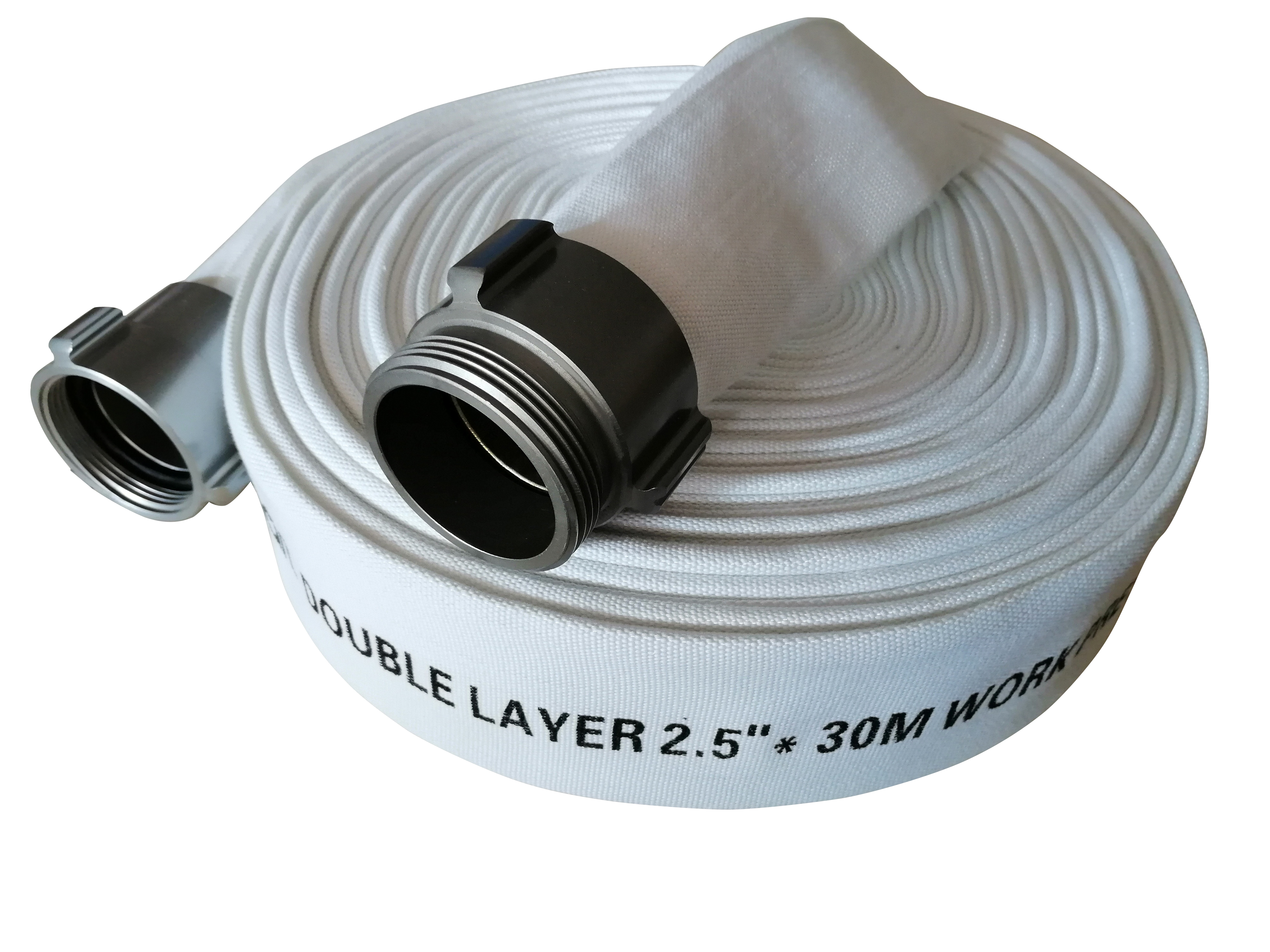
Firefighter blankets are essential safety equipment designed to protect against fire and heat, making them crucial for firefighters and various industries. When sourcing firefighter blankets, B2B buyers often prioritize quality, reliability, and compliance with safety standards. This article will guide you through the process of sourcing high-quality fireblanket, comparing specifications, evaluating quality, installation guidelines, and exploring their applications across different sectors.
When seeking fireblanket on a wholesale basis, it’s essential to identify reliable manufacturers or suppliers who specialize in fire safety equipment. Jiangsu Nantong Longtao Fire-Hose Group Co., Ltd. is a notable option, with a strong reputation in the industry for providing custom fire equipment and a commitment to quality-first principles. Look for suppliers that have a proven track record in manufacturing, a robust production capacity (10 million fire hose meters annually), and experience in exporting to established markets like the US and Germany. Before placing an order, verify that the supplier can meet your specific needs regarding minimum order quantities (MOQ) and customization options. Additionally, consider requesting samples to assess the materials and performance of the blankets before committing to a full order.
When evaluating firefighter blankets, specific technical specifications are critical to ensure they meet safety and operational standards. Key specifications to compare includes the following:
1. Material: fireblanket are typically made from fire-resistant materials such as fiberglass, Kevlar, or specialized synthetic fibers. Each material offers different levels of heat resistance, durability, and weight, which can affect performance in various situations.
2. Dimensions: Consider the size and thickness of the blankets. Standard sizes may vary, so ensure the dimensions align with your operational requirements.
3. Weight: A heavier blanket may offer better protection but could be cumbersome for quick deployment. Balance weight with protective capabilities based on how the blankets will be used.
4. Certification: Look for blankets that comply with relevant fire safety standards, which can vary by region. Certifications ensure the blankets have been rigorously tested for effectiveness.
Understanding these specifications helps buyers make informed decisions and ensures that the blankets chosen will perform effectively in emergency situations.
Quality evaluation of fireblanket involves several steps to ensure they meet safety and performance standards. Here are some practical tips:
1. Material Inspection: Examine the fabric for fire resistance, durability, and flexibility. High-quality materials should resist tearing and maintain integrity under extreme heat.
2. Testing and Certifications: Verify that the blankets have undergone testing and hold necessary certifications. Ask for documentation that demonstrates compliance with safety standards.
3. Visual Inspection: Check for any visible flaws, such as seams that may not be properly stitched or any discoloration that indicates poor quality control during manufacturing.
4. Sample Testing: Before mass production, request samples and test them under conditions that mimic actual usage. This could include exposure to heat or flame to assess performance.
5. Supplier Reputation: Research the supplier’s reputation in the market. Feedback from other buyers can provide insights into the consistency and reliability of the products.
By focusing on these quality factors, buyers can mitigate risks associated with inadequate equipment and ensure they are investing in reliable safety solutions.
Proper installation of fireblanket is crucial to ensure their effectiveness during an emergency. Here are some guidelines to follow:
1. Location Selection: Identify strategic locations for blanket storage that are easily accessible during emergencies. This could include near exits or high-traffic areas within facilities.
2. Clear Instructions: Ensure that installation includes clear instructions for use. Training staff on how to deploy the blankets quickly can save valuable time during emergencies.
3. Regular Maintenance Checks: Schedule regular inspections of the blankets to check for wear and tear, ensuring they remain in optimal condition.
4. Compatibility with Other Equipment: When integrating fireblanket with other fire safety equipment, confirm that they do not obstruct access to fire extinguishers or emergency exits.
5. Emergency Drills: Conduct emergency drills that include the use of fireblanket to familiarize staff with their function and improve response times during real incidents.
Following these installation guidelines will help maximize the effectiveness of fireblanket in protecting personnel and property.
Jiangsu Nantong Longtao Fire-Hose Group Co., Ltd. has successfully exported its high-quality products to numerous countries, including the United States, Germany, Italy, Russia, South Korea, Japan, Vietnam, and the Middle East. The company adheres to a customer-first philosophy, offering high-quality, cost-effective products and services. Its commitment to honest cooperation and mutual benefit ensures long-term partnerships and a win-win situation for both the company and its clients. This global presence and customer-centric approach highlight the company's ability to compete and thrive in the international market.
Jiangsu Nantong Longtao Fire-Hose Group Co., Ltd. is officially recognized by the Ministry of Public Security as a designated enterprise for the production of fire hoses, fire hydrants, and fire boxes. This designation underscores the company's compliance with stringent national standards and its commitment to producing high-quality fire safety equipment. Being a government-designated enterprise also reflects the company's reliability and trustworthiness in the industry.
With an annual production capacity of 10 million meters of fire hose and 7,000 sets of fire hydrant boxes, the company demonstrates its ability to meet large-scale demands efficiently. The product range is extensive, including lined fire hoses (single and double jacket), double-coated fire hoses, fire hose reels, plastic-coated hoses, spray fire hoses, garden hoses, and specialized nozzles and couplings that meet various international standards. This diversity allows the company to cater to a wide array of customer needs across different markets.
The company places a strong emphasis on quality, which is fundamental to its survival and success. It is dedicated to the manufacturing, production, and research and development of fire-fighting equipment, including custom-made solutions for domestic and foreign professional fire brigades. The company holds multiple patent certificates for its independently developed intellectual property products, showcasing its innovative capabilities and commitment to advancing fire safety technology.
Firefighter blankets find applications across numerous industries beyond firefighting, providing versatile safety solutions. Key sectors include:
1. Manufacturing: In factories, blankets can protect workers from unexpected fires, especially in areas where flammable materials are handled.
2. Construction: Used on construction sites, these blankets can shield workers during welding or cutting operations, preventing burns from sparks.
3. Healthcare: Hospitals can utilize fireblanket in emergency response situations to protect patients and staff from fire hazards.
4. Hospitality: In hotels and restaurants, these blankets can be part of the fire safety plan, ensuring that employees can respond effectively to kitchen fires.
5. Transport: Firefighter blankets can be essential in vehicles transporting hazardous materials, providing a means to contain fires that may arise during transit.
By understanding the applications across these industries, buyers can better appreciate the value and necessity of investing in fireblanket to enhance safety protocols.
sourcing high-quality firefighter blankets involves careful consideration of specifications, quality evaluation, installation practices, and understanding their applications in various industries. By following these guidelines, B2B buyers can make informed purchasing decisions that safeguard lives and property.

Welcome to Jiangsu Nantong Longtao, we are a leading manufacturer specialize in fire hoses, fire hydrants and fire boxes.
No.888 Renmin South Road, Dayu Town,Rudong County, Nantong City, Jiansu Province
Copyright © EVERBRIGHT FIRE-FIGHTING EQUIPMENT(NANTONG)CO., LTD. All Rights Reserved

 EN
 AR
 FR
 DE
 KO
 CS
 DA
 NL
 FI
 EL
 IT
 JA
 NO
 PL
 PT
 RO
 RU
 ES
 SV
 TL
 IW
 ID
 LV
 LT
 SR
 SK
 SL
 UK
 SQ
 ET
 HU
 TH
 TR
 FA
 AF
 IS
 MK
 KA
 UR
 BN