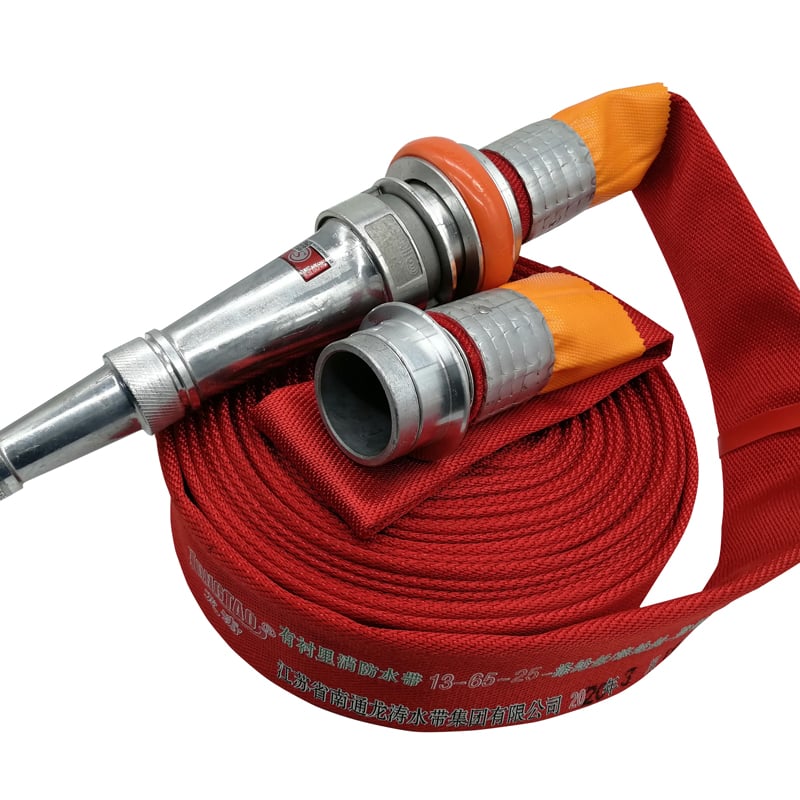
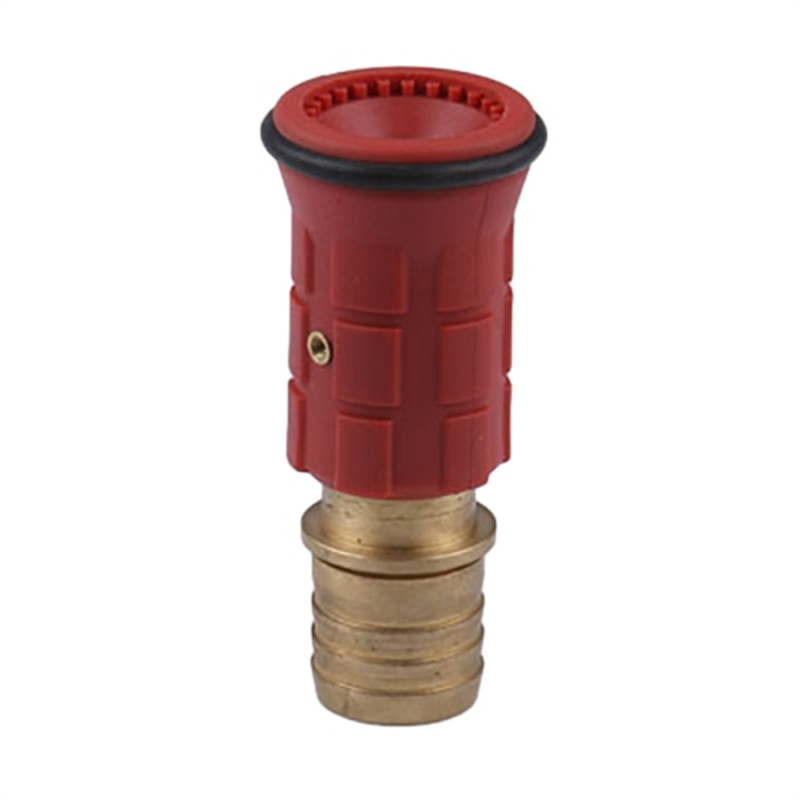
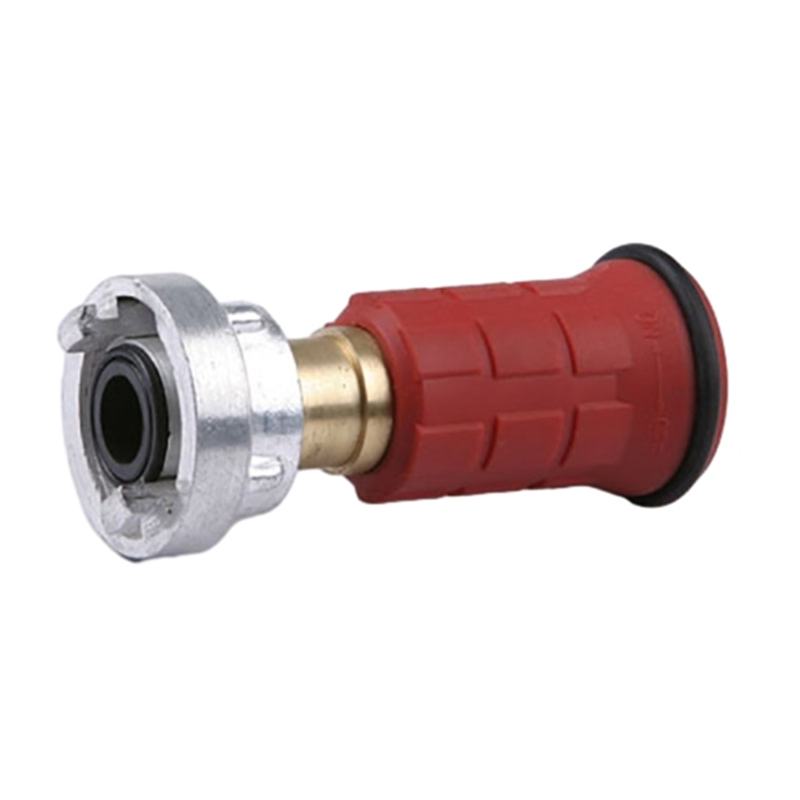
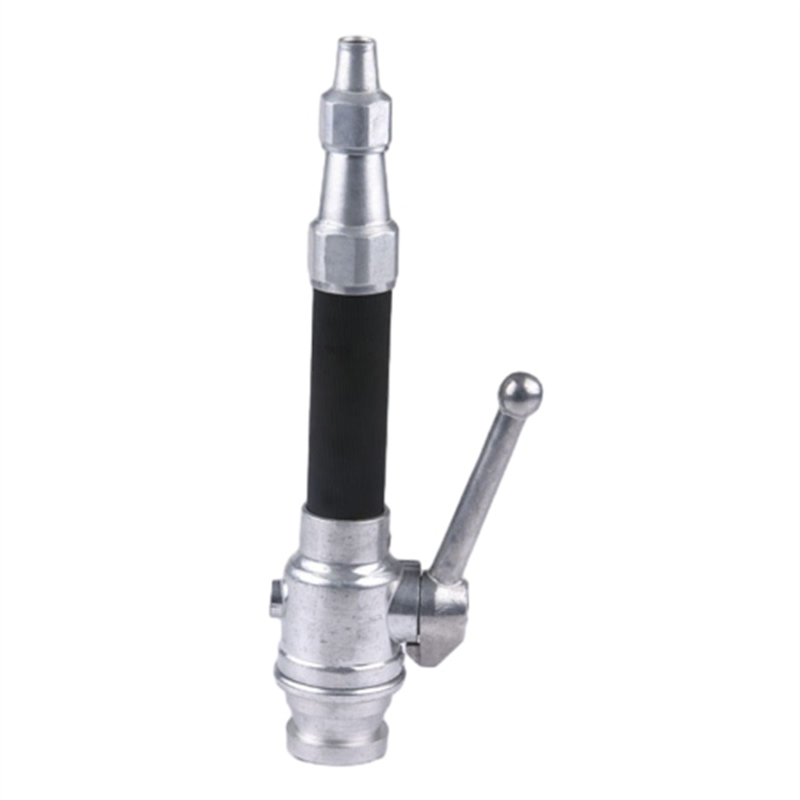
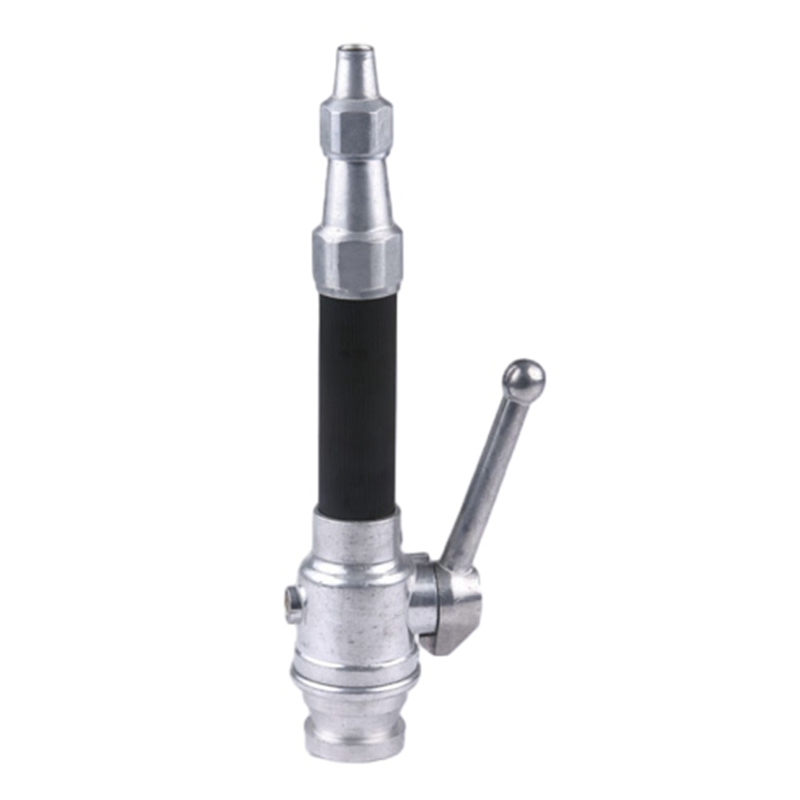
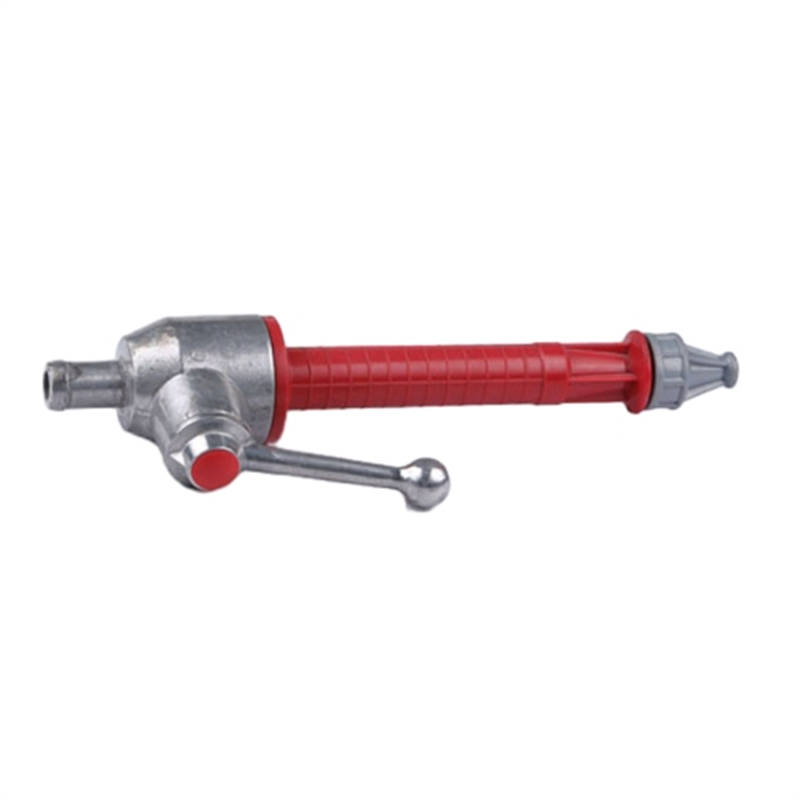
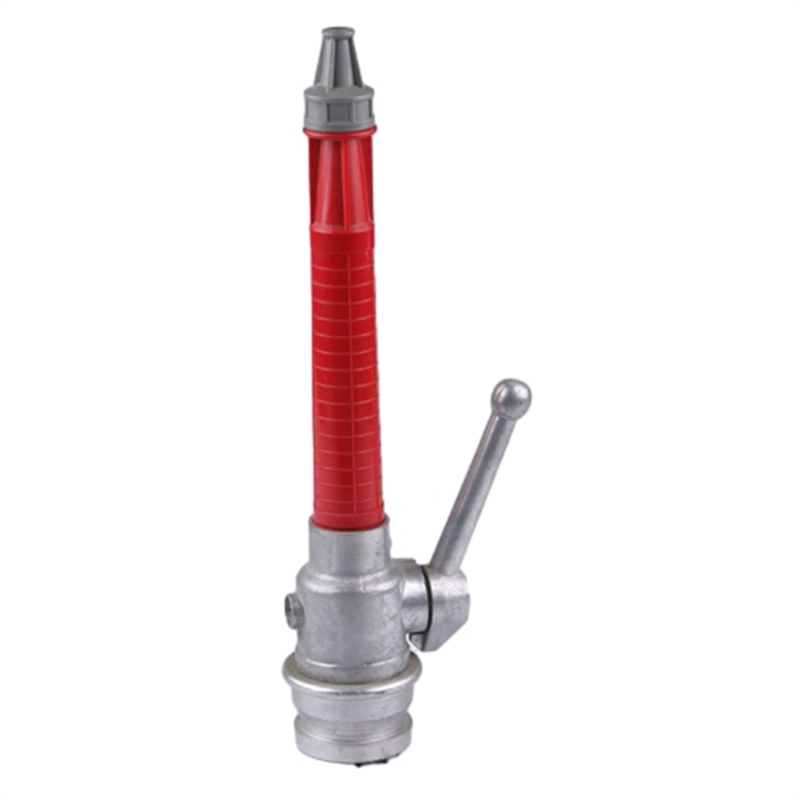
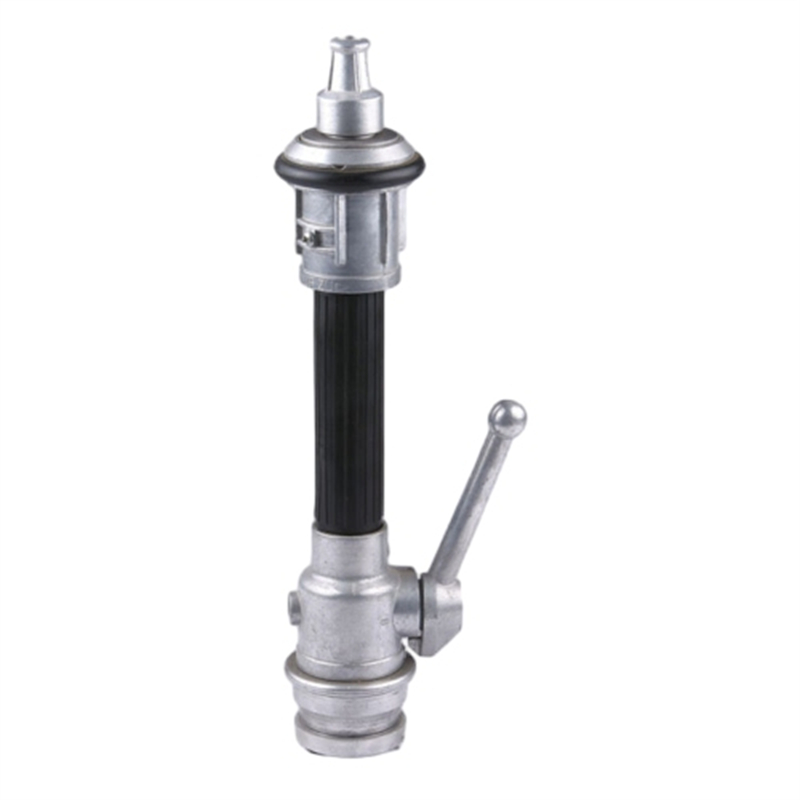
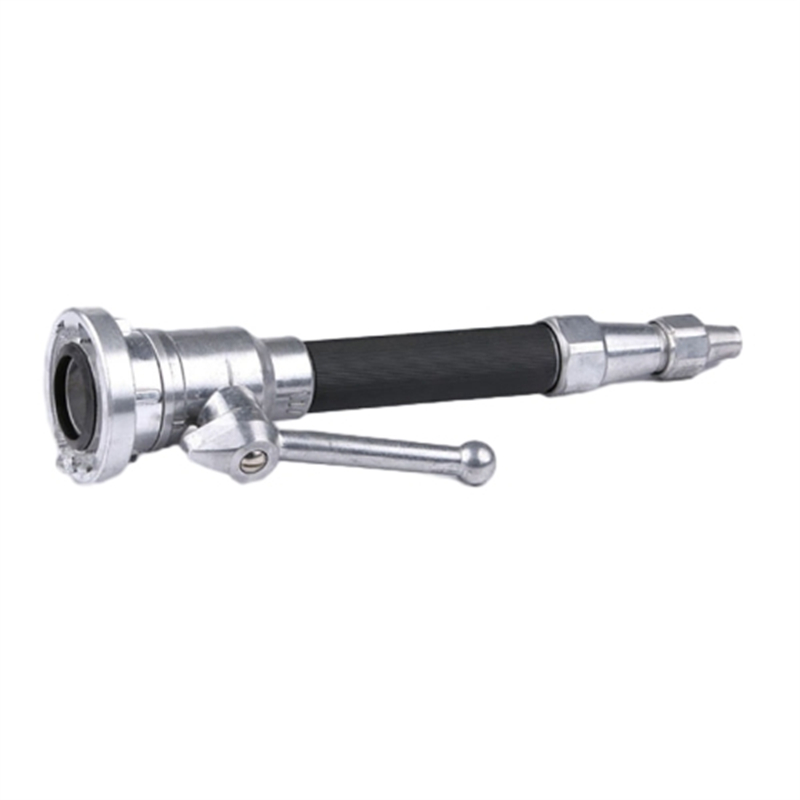
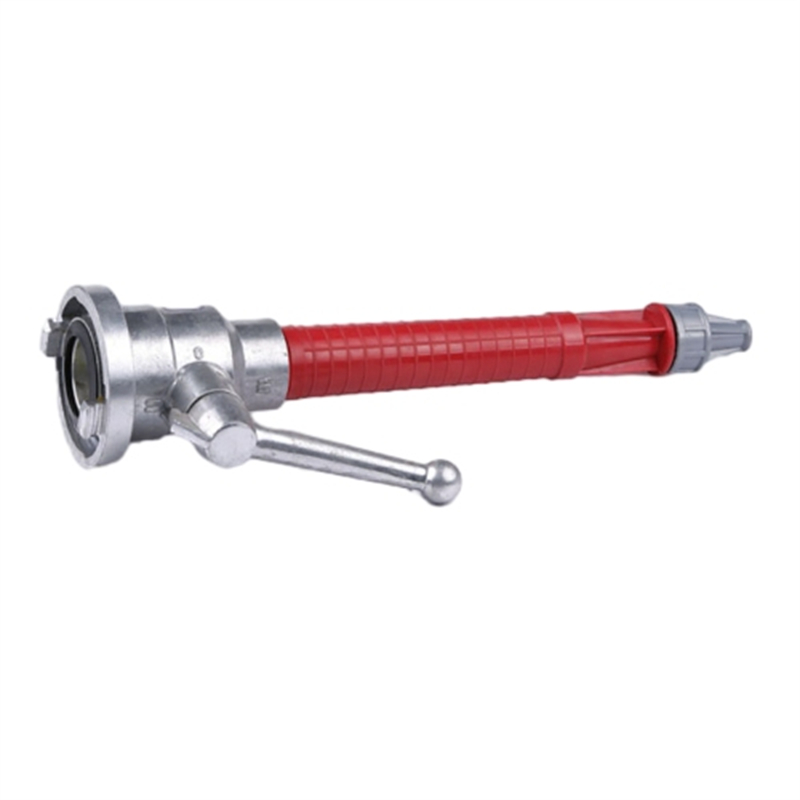
Fire nozzles are critical components in firefighting equipment, designed to control the flow and direction of water or other extinguishing agents during emergencies. For B2B buyers, understanding the specifications, materials, and reliability of fire nozzles is essential for making informed purchasing decisions. This article will guide you through the essential specifications, key purchasing factors, material advantages, sourcing options, and how to evaluate supplier reliability to ensure you acquire high-quality 3 inch fire hose nozzle that meet your operational needs.
When sourcing fire nozzles, several specifications should be considered to ensure that the product meets your operational requirements. Key specifications include:
Flow Rate: Measured in gallons per minute (GPM), the flow rate indicates how much water the nozzle can deliver. This is essential for determining the effectiveness of the nozzle in extinguishing fires. Higher flow rates are typically suitable for larger fires, while lower rates may suffice for smaller applications.
Pressure Rating: The nozzle's pressure rating, usually expressed in pounds per square inch (PSI), indicates the maximum pressure at which it can operate safely. Understanding the pressure requirements of your firefighting system is crucial, as using a fire hose spray nozzle with an inadequate pressure rating can lead to failures during critical situations.
Spray Pattern: Fire nozzles can provide different spray patterns, including straight stream, fog, or wide-angle patterns. The choice of spray pattern affects the nozzle's application, such as whether it is used for direct fire suppression or for cooling and protecting nearby structures.
Material and Construction: The material of the nozzle affects durability, corrosion resistance, and performance. Common materials include aluminum, brass, and stainless steel, each offering different benefits. It's essential to select a material that can withstand harsh environments and the specific firefighting agents used.
Weight and Ergonomics: The weight of the nozzle can impact its usability, especially for firefighters or personnel who may need to operate it for extended periods. Ergonomic designs that allow for comfortable handling should be prioritized.
By evaluating these specifications, buyers can ensure that the fire nozzles they source will meet the demands of their specific firefighting applications.
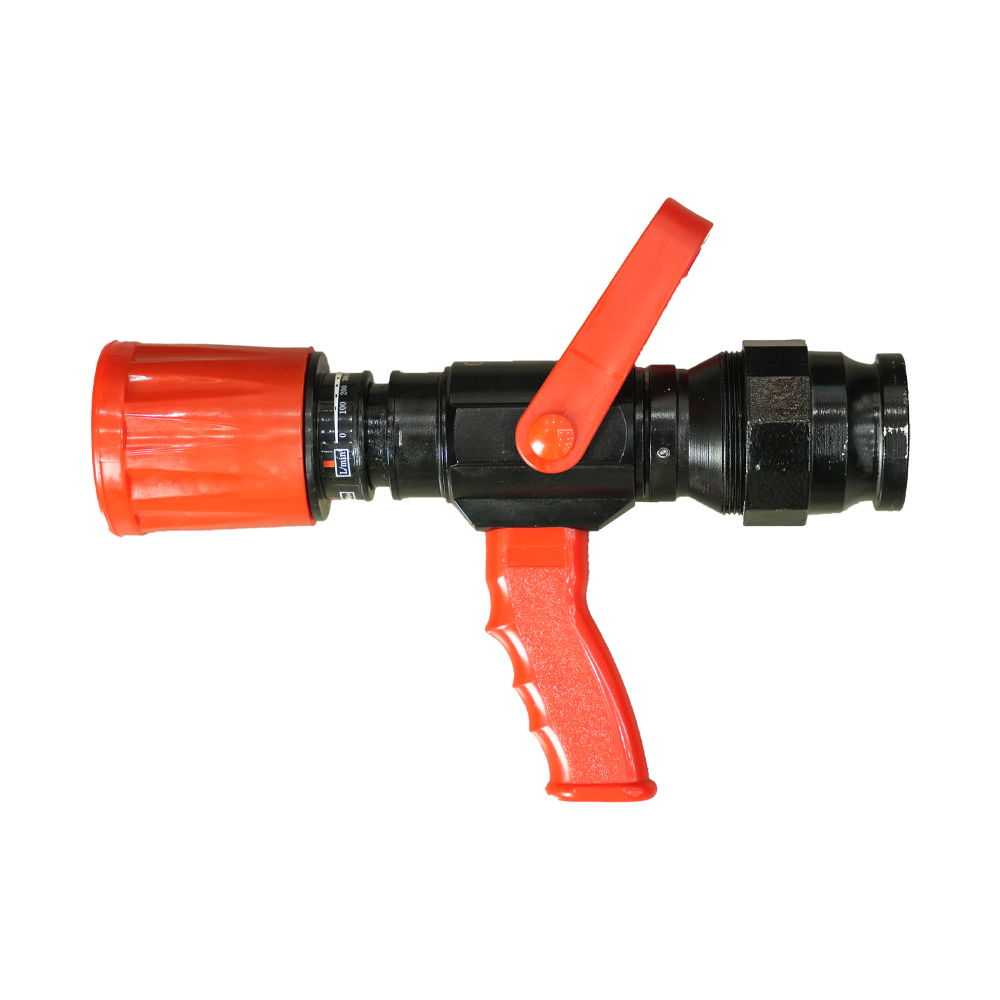
When considering bulk purchases of fire nozzles, several factors come into play that can influence pricing, quality, and delivery.
Minimum Order Quantity (MOQ): Each supplier may have different MOQs, which can affect the total cost and feasibility of a bulk order. Understanding these requirements upfront can help in budgeting and planning.
Pricing Structure: Bulk purchases often come with discounted pricing but can vary significantly between suppliers based on their production capabilities and material sourcing. It’s advisable to compare pricing across multiple suppliers while considering the total cost, including shipping and handling.
Customization Options: Buyers should inquire about the ability to customize nozzles for specific applications. Custom features may include alterations in size, flow patterns, or materials. This can add value but may also impact the lead time and pricing.
Lead Time: The time it takes for an order to be fulfilled can vary significantly based on the supplier's production capacity and current workload. Buyers should confirm lead times during the negotiation phase to align with their inventory needs.
Quality Assurance: Ensuring that the supplier has robust quality control processes is crucial. Buyers should seek suppliers that can provide documentation or certifications that demonstrate adherence to industry standards.
By carefully considering these factors, buyers can make informed decisions that optimize their purchasing strategy.
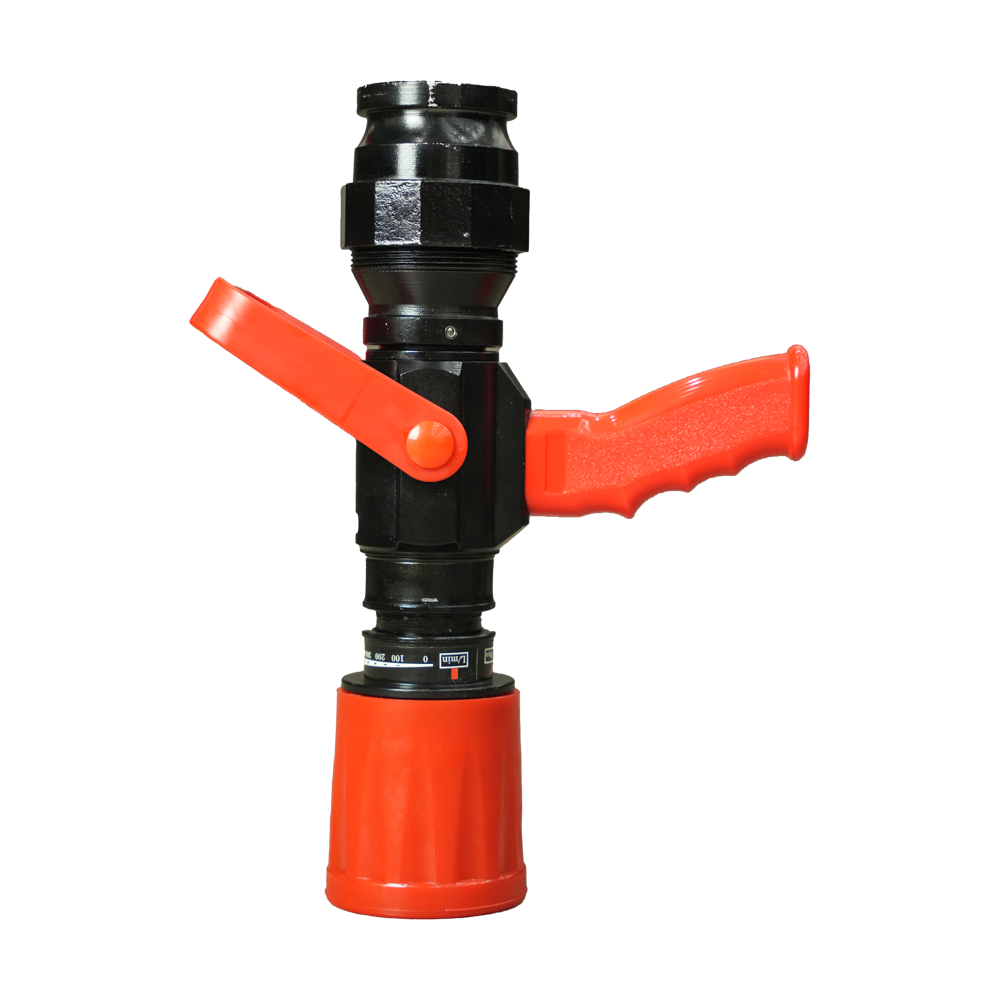
The material used in fire nozzle manufacturing plays a vital role in determining the nozzle's performance, durability, and suitability for specific environments. Here are some common materials and their advantages:
Aluminum: Lightweight and resistant to corrosion, aluminum nozzles are easy to handle and suitable for many firefighting applications. However, they may not be as durable as other materials under extreme conditions.
Brass: Known for its durability and resistance to corrosion, brass nozzles are often used in industrial settings. They can withstand high pressures and temperatures, making them a reliable choice for heavy-duty applications.
Stainless Steel: Offering the highest level of corrosion resistance, stainless steel nozzles are ideal for harsh environments, including marine and chemical firefighting applications. They are more expensive but provide long-term value due to their durability.
Composite Materials: Some modern nozzles are made from composite materials that combine strength with lightweight properties. These materials can offer excellent performance while reducing fatigue for users.
Rubber Coatings: Nozzles may also feature rubber coatings to enhance grip and protect against impact damage. This is particularly useful in rugged environments where equipment may be dropped or subject to rough handling.
Understanding the advantages of these materials can help buyers select the right fire hose reel nozzle for their specific applications and conditions.
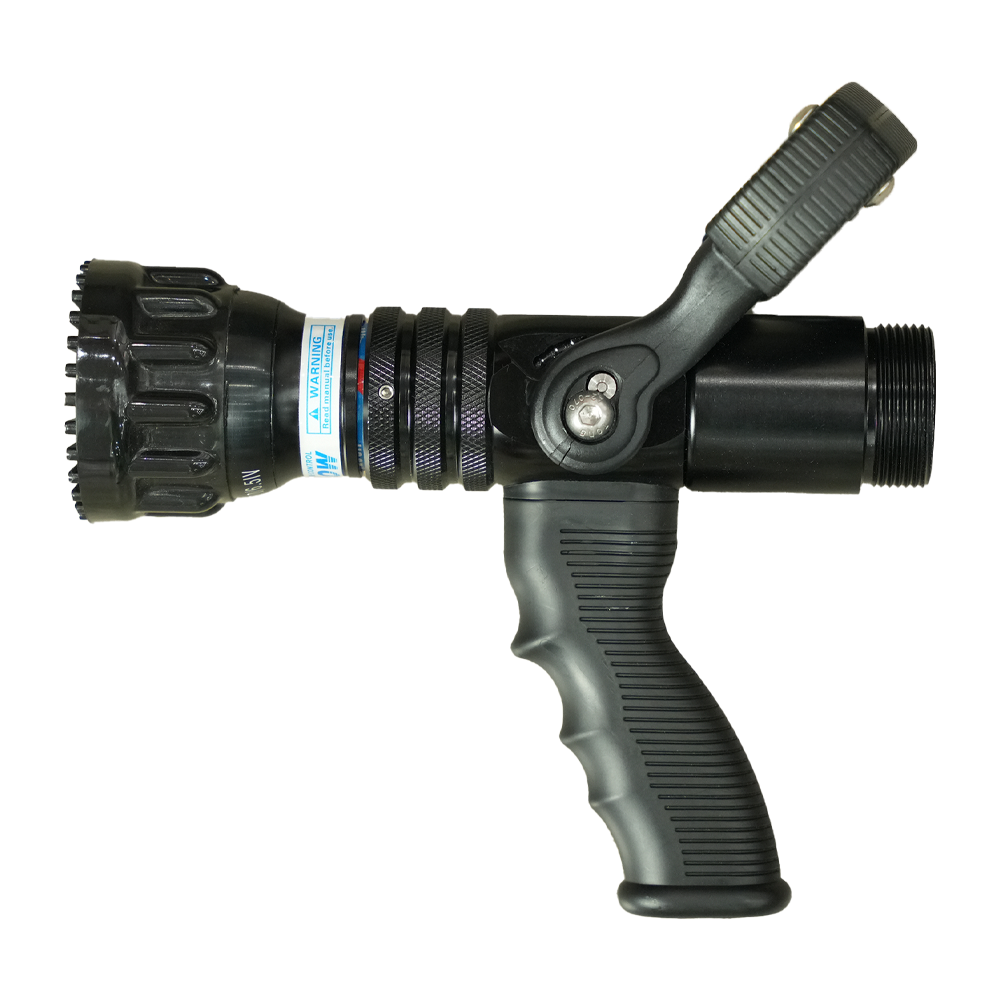
Sourcing reliable fire nozzles requires thorough research and consideration of various suppliers. Here are some strategies for identifying reputable sources:
Industry Associations and Trade Shows: Participating in industry events can connect buyers with established manufacturers and suppliers. These platforms often showcase the latest products and innovations in firefighting equipment.
Online Marketplaces and Directories: Websites that specialize in industrial and firefighting equipment can be valuable resources for finding multiple suppliers. Look for reviews, ratings, and detailed product descriptions to assess the credibility of the manufacturers.
Manufacturer Websites: Directly visiting manufacturers' websites can provide insight into their capabilities, product offerings, and certifications. Companies with established reputations, such as Jiangsu Nantong Longtao Fire-Hose Group Co., Ltd., typically highlight their product specifications and quality systems.
Referrals and Testimonials: Networking with industry peers can yield referrals to reliable suppliers. Testimonials from existing customers can provide insight into the supplier's reliability and product performance.
Sample Requests: Before committing to a bulk order, requesting samples can help verify that the product meets your specifications. Testing samples under operational conditions is a crucial step in the sourcing process.
By utilizing these strategies, buyers can effectively identify and evaluate suppliers that align with their business needs.
The company places a strong emphasis on quality, which is fundamental to its survival and success. It is dedicated to the manufacturing, production, and research and development of fire-fighting equipment, including custom-made solutions for domestic and foreign professional fire brigades. The company holds multiple patent certificates for its independently developed intellectual property products, showcasing its innovative capabilities and commitment to advancing fire safety technology.
With an annual production capacity of 10 million meters of fire hose and 7,000 sets of fire hydrant boxes, the company demonstrates its ability to meet large-scale demands efficiently. The product range is extensive, including lined fire hoses (single and double jacket), double-coated fire hoses, fire hose reels, plastic-coated hoses, spray fire hoses, garden hoses, and specialized nozzles and couplings that meet various international standards. This diversity allows the company to cater to a wide array of customer needs across different markets.
Jiangsu Nantong Longtao Fire-Hose Group Co., Ltd. is officially recognized by the Ministry of Public Security as a designated enterprise for the production of fire hoses, fire hydrants, and fire boxes. This designation underscores the company's compliance with stringent national standards and its commitment to producing high-quality fire safety equipment. Being a government-designated enterprise also reflects the company's reliability and trustworthiness in the industry.
Jiangsu Nantong Longtao Fire-Hose Group Co., Ltd. has successfully exported its high-quality products to numerous countries, including the United States, Germany, Italy, Russia, South Korea, Japan, Vietnam, and the Middle East. The company adheres to a customer-first philosophy, offering high-quality, cost-effective products and services. Its commitment to honest cooperation and mutual benefit ensures long-term partnerships and a win-win situation for both the company and its clients. This global presence and customer-centric approach highlight the company's ability to compete and thrive in the international market.
Assessing a supplier's reliability is essential for ensuring the quality and consistency of fire nozzles. Here are key considerations for evaluating potential suppliers:
Production Capacity: Understanding a supplier's production capabilities helps gauge their ability to fulfill orders on time, especially for bulk purchases. This includes their machinery, workforce, and operational efficiency.
Quality Control Processes: Suppliers should have established quality assurance protocols to ensure that products meet industry standards. Inquire about their testing methods and certifications that demonstrate compliance with safety and quality regulations.
Experience and Reputation: Researching a supplier's history and market presence can provide insights into their reliability. Companies with a long-standing reputation in the industry are more likely to offer consistent product quality.
Customer Support: Responsive customer service is crucial for addressing any issues that may arise during the purchasing process. Evaluate how suppliers handle inquiries and their willingness to provide assistance throughout the order lifecycle.
Compliance with Regulations: Verify that the supplier's products comply with relevant safety and environmental regulations. This is particularly important in industries where safety is paramount, such as firefighting.
By carefully evaluating these factors, buyers can make informed decisions that ensure the reliability and quality of their fire nozzle purchases.

Welcome to Jiangsu Nantong Longtao, we are a leading manufacturer specialize in fire hoses, fire hydrants and fire boxes.
No.888 Renmin South Road, Dayu Town,Rudong County, Nantong City, Jiansu Province
Copyright © EVERBRIGHT FIRE-FIGHTING EQUIPMENT(NANTONG)CO., LTD. All Rights Reserved
 EN
 AR
 FR
 DE
 KO
 CS
 DA
 NL
 FI
 EL
 IT
 JA
 NO
 PL
 PT
 RO
 RU
 ES
 SV
 TL
 IW
 ID
 LV
 LT
 SR
 SK
 SL
 UK
 SQ
 ET
 HU
 TH
 TR
 FA
 AF
 IS
 MK
 KA
 UR
 BN