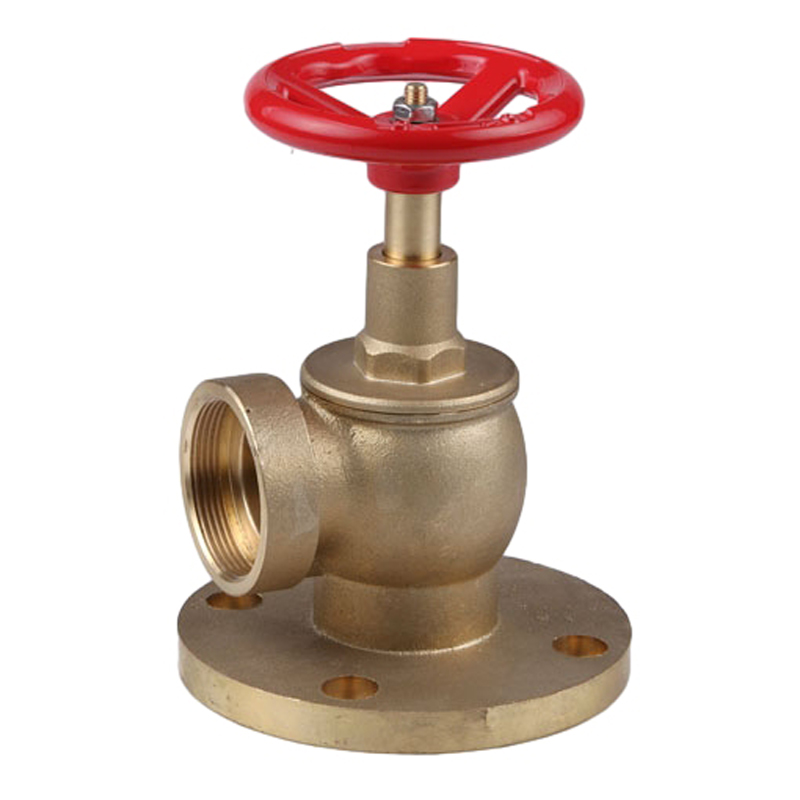
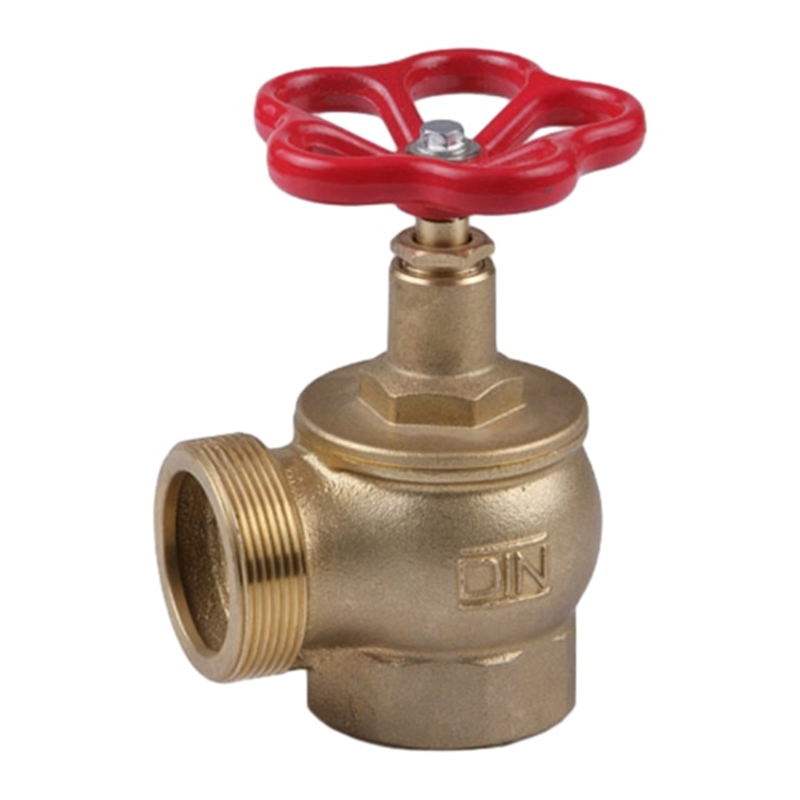
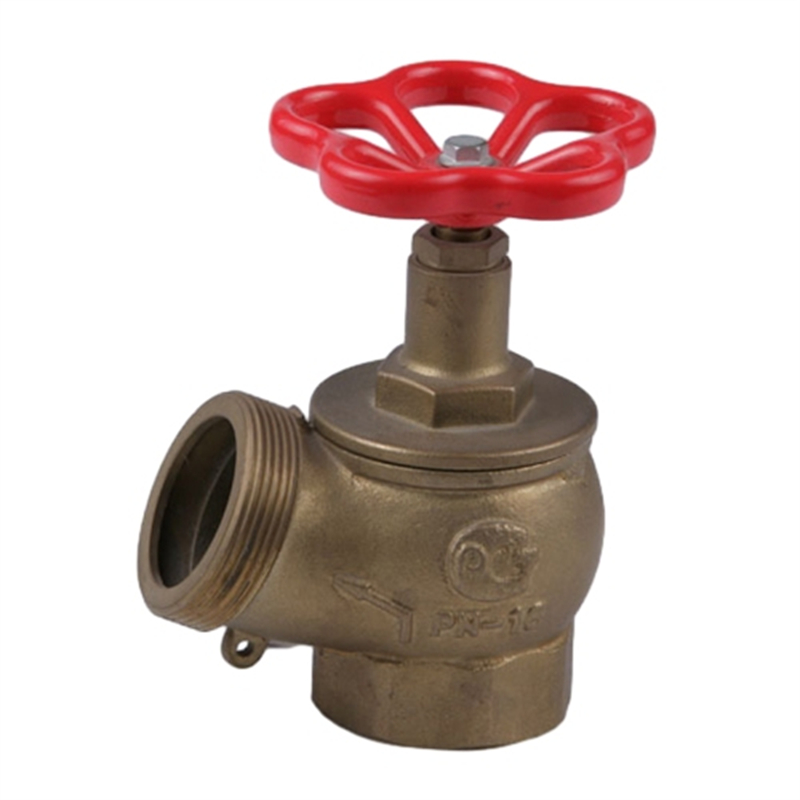
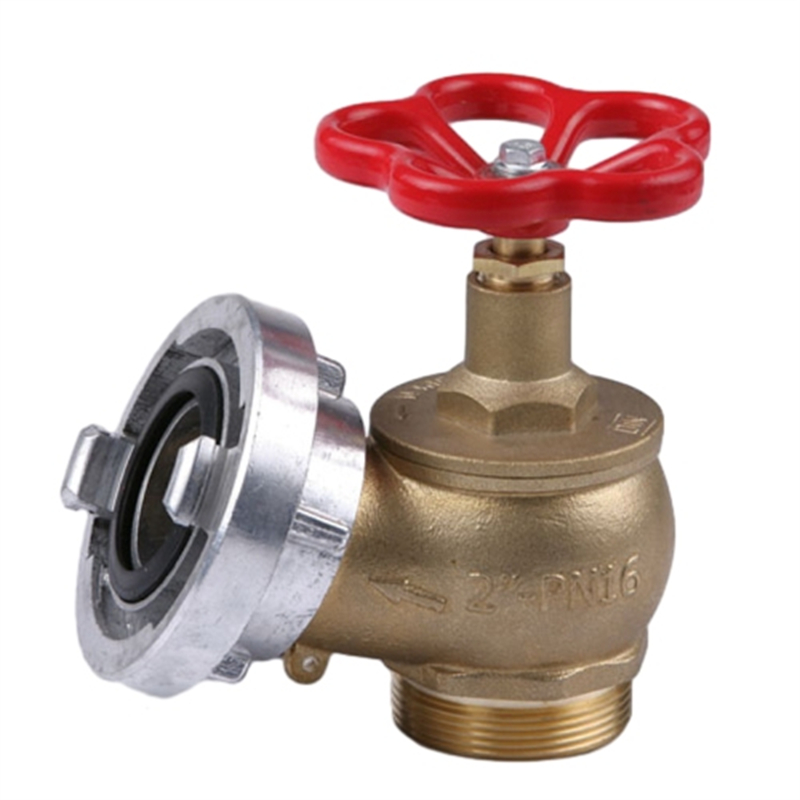
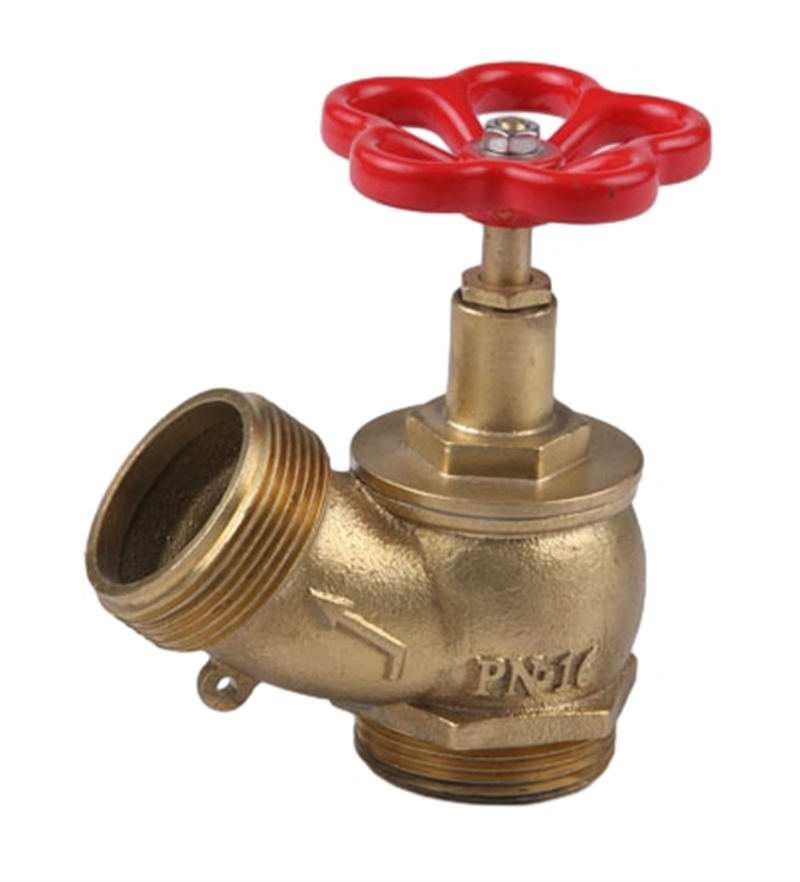
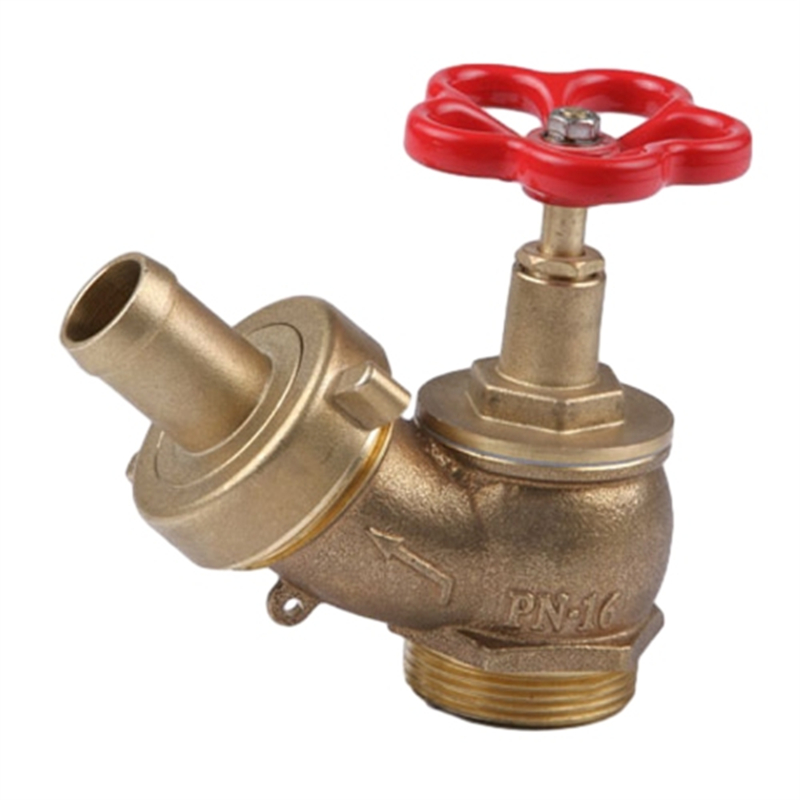
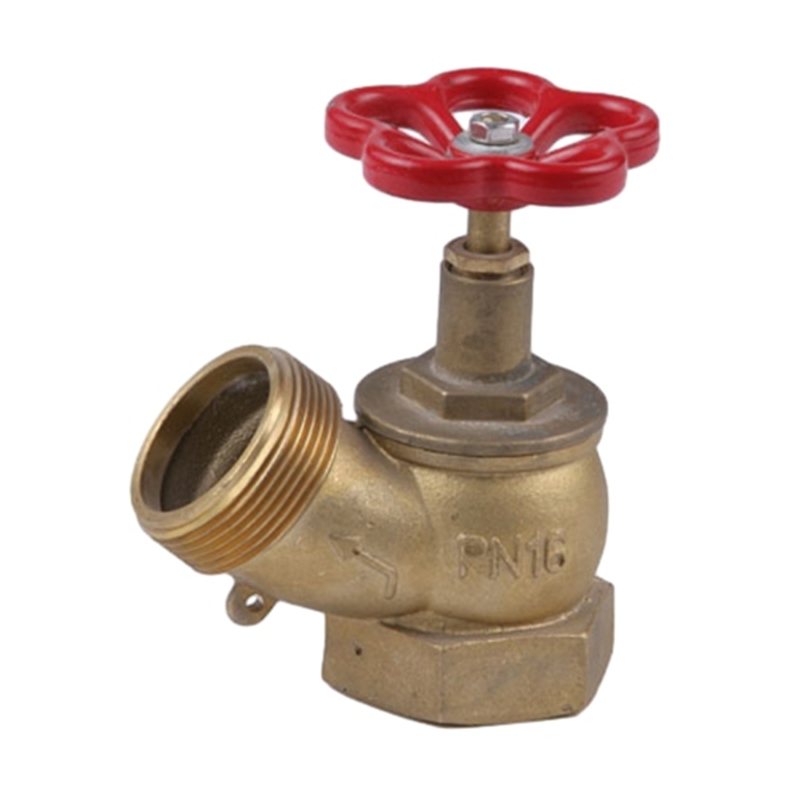
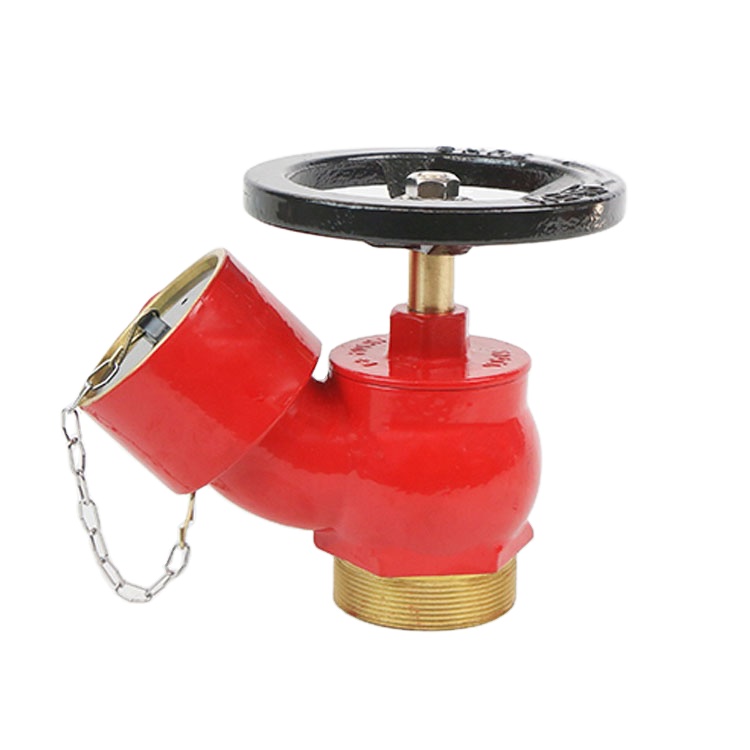
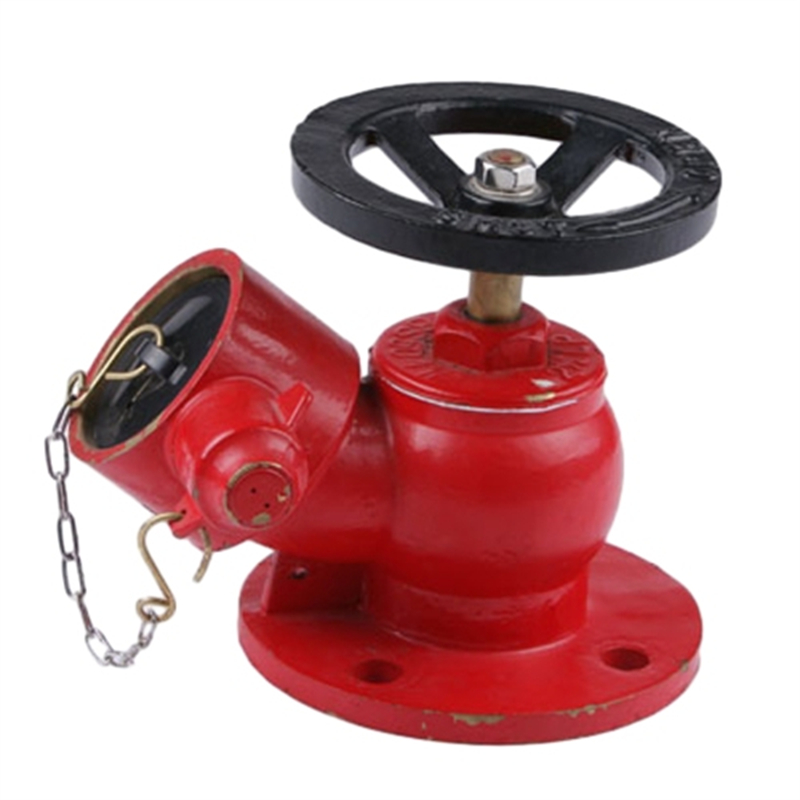
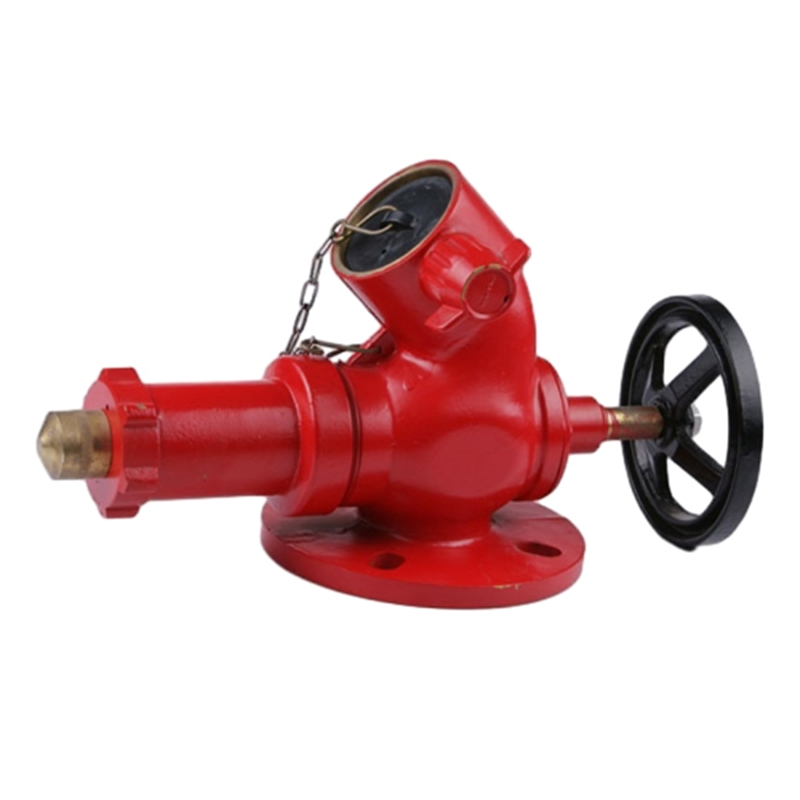
Fire hose valves are essential components in fire safety systems, serving as vital control points for water flow during firefighting operations. For B2B buyers, including purchasing managers and engineers, selecting the right fire hose valves involves understanding their specifications, material properties, and application suitability. This article aims to guide you through the key considerations when selecting fire extinguisher valve, addressing common buyer concerns and providing actionable insights to enhance your purchasing decisions.
When selecting fire hose valves, consider several critical factors that influence performance and suitability for your specific application.
Type of Valve: Understand the different types of fire hose valves available, such as ball valves, gate valves, and globe valves. Each type has its advantages; for instance, ball valves offer quick shut-off capabilities, while gate valves provide minimal flow resistance.
Size and Compatibility: Ensure that the valve size matches the diameter of the fire hoses and hydrants in your system. Compatibility with existing equipment is crucial for optimal performance and to avoid leaks or operational failures.
Material Selection: The material of the valve affects its durability and resistance to environmental factors. Common materials include brass, stainless steel, and aluminum. Consider the operating environment, such as exposure to chemicals or extreme temperatures, when selecting materials.
Pressure Ratings: Check the pressure rating of the valve to ensure it can handle the required operational pressure without risk of failure. This is particularly important in high-pressure firefighting scenarios.
Customization Needs: Depending on your project, you may require custom features such as specific threading patterns or unique sizes. Ensure that your supplier, like Jiangsu Nantong Longtao Fire-Hose Group Co., Ltd., can accommodate these customizations.
By focusing on these factors, you can select fire hose valves that meet your project requirements effectively.
Bulk purchasing of fire hose valves can lead to significant cost savings, but several factors influence the overall pricing:
Material Costs: The choice of materials plays a significant role in the pricing. High-grade materials, while more expensive, may offer better durability and lifespan, reducing long-term replacement costs.
Manufacturing Process: Understanding the manufacturing capabilities of your supplier is essential. For instance, Jiangsu Nantong Longtao Fire-Hose Group Co., Ltd. employs advanced production techniques, which may affect lead times and pricing structures.
Order Quantity: Typically, larger orders qualify for volume discounts. However, be mindful of minimum order quantities (MOQ) and how they align with your needs.
Shipping and Handling: Consider the logistics involved in shipping bulk orders. Costs can vary based on destination, shipping method, and packaging requirements.
Quality Assurance and Testing: Ensure that the quoted price includes quality inspection and testing. This guarantees that the valves meet industry standards and reduces the risk of costly failures in the field.
By carefully evaluating these cost factors, you can make informed decisions that balance quality and budget constraints when purchasing fire fighting valves.
Proper installation of fire hose valves is crucial to ensure their effectiveness and longevity. Here are some key guidelines:
Follow Manufacturer Instructions: Always refer to the installation guidelines provided by the manufacturer. These instructions are tailored to the specific valve model and include essential details such as torque specifications and sealing requirements.
Use Compatible Components: Ensure that all fittings, hoses, and other components are compatible with the valve. Mismatched parts can lead to leaks and operational failures.
Check for Proper Alignment: During installation, verify that the valve is aligned correctly with the hoses and piping. Misalignment can cause undue stress on the valve, leading to premature wear or failure.
Secure Connections: Use appropriate sealing materials and techniques to secure connections. This is particularly important in high-pressure applications where leaks can pose serious safety risks.
Conduct Functional Testing: After installation, perform functional tests to ensure the valve operates smoothly and meets performance expectations. This should include checking for leaks and verifying that the valve can open and close without obstruction.
By adhering to these installation guidelines, you can maximize the performance and reliability of your fire hose valves.
Fire hose valves can encounter various issues that affect their performance. Here are some common problems and their solutions:
Leakage: One of the most common issues is leakage at the connection points. This can often be resolved by tightening fittings or replacing worn seals. Regular maintenance checks can help identify potential leaks before they become significant problems.
Corrosion: Valves made from materials susceptible to corrosion may fail prematurely. To mitigate this risk, select valves made from corrosion-resistant materials, such as stainless steel, and ensure they are properly maintained and inspected regularly.
Sticking Mechanisms: Valves that do not open or close smoothly may have debris lodged in the mechanism. Regular cleaning and maintenance can prevent this issue. In some cases, lubricating the valve components may solve the problem.
Pressure Fluctuations: If a valve does not maintain consistent pressure, it may be improperly sized for the application. Verify that the valve specifications match the system requirements and consider consulting with your supplier for alternatives.
Failure to Operate: In some cases, valves may fail to operate due to mechanical failure or damage. Regular inspections and functional testing are essential to catch and resolve such issues early.
By being aware of these common problems and their solutions, you can ensure the reliability of your fire hose valves in critical situations.
With an annual production capacity of 10 million meters of fire hose and 7,000 sets of fire hydrant boxes, the company demonstrates its ability to meet large-scale demands efficiently. The product range is extensive, including lined fire hoses (single and double jacket), double-coated fire hoses, fire hose reels, plastic-coated hoses, spray fire hoses, garden hoses, and specialized nozzles and couplings that meet various international standards. This diversity allows the company to cater to a wide array of customer needs across different markets.
Jiangsu Nantong Longtao Fire-Hose Group Co., Ltd. has successfully exported its high-quality products to numerous countries, including the United States, Germany, Italy, Russia, South Korea, Japan, Vietnam, and the Middle East. The company adheres to a customer-first philosophy, offering high-quality, cost-effective products and services. Its commitment to honest cooperation and mutual benefit ensures long-term partnerships and a win-win situation for both the company and its clients. This global presence and customer-centric approach highlight the company's ability to compete and thrive in the international market.
Jiangsu Nantong Longtao Fire-Hose Group Co., Ltd. is officially recognized by the Ministry of Public Security as a designated enterprise for the production of fire hoses, fire hydrants, and fire boxes. This designation underscores the company's compliance with stringent national standards and its commitment to producing high-quality fire safety equipment. Being a government-designated enterprise also reflects the company's reliability and trustworthiness in the industry.
The company places a strong emphasis on quality, which is fundamental to its survival and success. It is dedicated to the manufacturing, production, and research and development of fire-fighting equipment, including custom-made solutions for domestic and foreign professional fire brigades. The company holds multiple patent certificates for its independently developed intellectual property products, showcasing its innovative capabilities and commitment to advancing fire safety technology.
The material used in longtao fire hose valves significantly impacts their performance, longevity, and suitability for various applications. Here are some material advantages to consider:
Brass: Brass valves are known for their durability and resistance to corrosion, making them ideal for outdoor use and environments exposed to moisture. They also offer excellent thermal conductivity, which can be beneficial in firefighting applications.
Stainless Steel: Valves made from stainless steel provide exceptional strength and corrosion resistance. They are suitable for high-pressure applications and environments where chemicals may be present, ensuring long-term reliability.
Aluminum: Lightweight and resistant to corrosion, aluminum valves are often preferred in portable firefighting equipment. They offer a good balance between weight and strength, making them easy to handle while maintaining performance.
Plastic Composites: In some applications, plastic composite valves may be used for their lightweight and non-corrosive properties. However, they may not be suitable for high-pressure situations, so it's essential to evaluate the application requirements carefully.
When selecting fire valve cabinet, understanding the advantages of various materials will help you choose the best option for your specific fire safety needs. Ensure to consult your supplier about the material specifications to align them with your operational requirements.
By focusing on these aspects, you can enhance the safety and efficacy of your fire safety systems.

Welcome to Jiangsu Nantong Longtao, we are a leading manufacturer specialize in fire hoses, fire hydrants and fire boxes.
No.888 Renmin South Road, Dayu Town,Rudong County, Nantong City, Jiansu Province
Copyright © EVERBRIGHT FIRE-FIGHTING EQUIPMENT(NANTONG)CO., LTD. All Rights Reserved

 EN
 AR
 FR
 DE
 KO
 CS
 DA
 NL
 FI
 EL
 IT
 JA
 NO
 PL
 PT
 RO
 RU
 ES
 SV
 TL
 IW
 ID
 LV
 LT
 SR
 SK
 SL
 UK
 SQ
 ET
 HU
 TH
 TR
 FA
 AF
 IS
 MK
 KA
 UR
 BN