 EN
 AR
 FR
 DE
 KO
 CS
 DA
 NL
 FI
 EL
 IT
 JA
 NO
 PL
 PT
 RO
 RU
 ES
 SV
 TL
 IW
 ID
 LV
 LT
 SR
 SK
 SL
 UK
 SQ
 ET
 HU
 TH
 TR
 FA
 AF
 IS
 MK
 KA
 UR
 BN
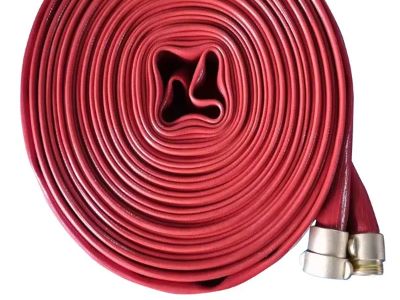
Fire hose lining technologies for abrasion and chemical resistance are critical components in ensuring the reliability and effectiveness of fire protection equipment. For B2B buyers, such as purchasing managers, distributors, and engineers, understanding the nuances of these technologies is essential for making informed decisions. We will explore key considerations when selecting fire hose lining technologies, examine their abrasion and chemical resistance, provide a wholesale purchasing guide, and outline the cost factors influencing these technologies.
What to Consider When Choosing Fire Hose Lining Technologies?
When selecting fire hose lining technologies, several critical factors must be considered. First and foremost is the intended application of the fire hoses. Different environments such as industrial settings, chemical plants, or urban firefighting may require specific lining materials that can withstand unique challenges. Material selection is crucial; options typically include rubber, PVC, and thermoplastic elastomers, each offering distinct properties. For instance, rubber linings provide excellent abrasion resistance, while PVC may be more cost-effective but could lack the durability required for high-demand situations. In addition to material, buyers should assess the compatibility of the lining with various fire suppression chemicals to ensure that the hose maintains its integrity under pressure. Furthermore, it is beneficial to evaluate the manufacturer’s capabilities, such as their production equipment and quality control processes, to ensure that they can meet the rigorous standards necessary for fire protection equipment.
Abrasion and Chemical Resistance
Abrasion resistance is a vital characteristic of fire hose linings, as hoses often encounter rough surfaces and physical wear during operations. A lining that fails to resist abrasion can lead to premature hose failure, posing significant risks during firefighting efforts. Chemical resistance is equally important, especially in industries where hoses may be exposed to harsh chemicals or corrosive materials. The right lining material must not only withstand these chemicals but also remain flexible and functional under varying temperatures and environmental conditions.
To evaluate abrasion and chemical resistance, manufacturers often conduct standardized tests, which can provide valuable data for buyers. When selecting a supplier, it is advisable to request documentation that details the performance of their lining materials under specific conditions. This information will help ensure that the hoses will perform reliably in the intended application.
Wholesale Purchasing Guide for Fire Hose Lining Solutions
When embarking on a wholesale purchase of fire hose lining solutions, it is essential to prepare adequately to ensure a smooth procurement process. Here are several steps to consider:
Define Requirements: Clearly outline the specifications needed for the hoses, including dimensions, material types, and performance requirements. This information will be crucial when requesting quotes and comparing suppliers.
Request Quotations: Contact multiple manufacturers or suppliers to obtain quotes based on your defined requirements. Ensure that the requests include specific details such as minimum order quantities (MOQ), packaging options, and lead times.
Evaluate Samples: Before finalizing an order, it is advisable to request samples of the fire hose reel to assess their quality and performance. Testing the samples under actual operating conditions can provide insights into their suitability.
Assess Customization Capabilities: Depending on your application, you may require custom solutions. Inquire about the manufacturer’s ability to provide tailored products that meet your specifications.
Review Terms and Conditions: Carefully review the terms of sale, including payment conditions, delivery schedules, and return policies. This will help avoid any potential issues during the purchasing process.
A Buyer’s Guide
For buyers looking to make informed decisions about fire hose lining technologies, consider the following critical points:
Specifications Confirmation: Always confirm specifications such as length, diameter, and lining thickness before placing an order. These factors impact the hose's performance and compatibility with existing equipment.
Quality Assurance: Inquire about the manufacturer's quality control processes, including any relevant certifications. A supplier with robust quality assurance measures will likely provide more reliable products.
Testing Standards: Understand the fire fire hose testing standards applicable to fire hoses in your region. Ensure that the products you are considering comply with these standards to guarantee safety and performance.
Inspection Processes: Before mass production, it is advisable to approve a finished sample. This step allows you to verify that the hoses meet your requirements in terms of dimensions, fit, and overall appearance.
By following these guidelines, buyers can navigate the complexities of procuring fire hose lining technologies with greater confidence.
Cost Factors Influencing Fire Hose Lining Technologies for Bulk Orders
The cost of fire hose lining technologies can vary significantly based on several factors. Understanding these can help buyers make more informed purchasing decisions:
Material Costs: The type of material selected for the lining directly impacts the price. Higher-quality or specialized materials will typically come at a premium, but they may offer better performance and longevity.
Production Volume: Bulk orders often lead to lower per-unit costs due to economies of scale. However, buyers should balance the need for large quantities with the potential for inventory management challenges.
Customization Requirements: If custom solutions are needed such as specific dimensions or unique features this can increase production costs. Buyers should weigh the benefits of customization against the associated expenses.
Shipping and Packaging: The cost of packaging and shipping can vary based on the size and weight of the order, as well as the delivery destination. It is advisable to discuss these costs upfront with suppliers to avoid surprises.
Quality Assurance Costs: Investing in thorough quality assurance processes may increase initial costs but can lead to savings in the long run by reducing the risk of product failures.
By considering these factors, buyers can better estimate the total cost of ownership for fire hose lining technologies and make more strategic purchasing decisions. In summary, understanding fire hose technologies for abrasion and chemical resistance is essential for B2B buyers involved in procuring fire protection equipment. By considering material properties, conducting thorough evaluations, and following a structured purchasing process, organizations can ensure they select the most suitable solutions for their needs.