
 EN
EN
 AR
AR
 FR
FR
 DE
DE
 KO
KO
 CS
CS
 DA
DA
 NL
NL
 FI
FI
 EL
EL
 IT
IT
 JA
JA
 NO
NO
 PL
PL
 PT
PT
 RO
RO
 RU
RU
 ES
ES
 SV
SV
 TL
TL
 IW
IW
 ID
ID
 LV
LV
 LT
LT
 SR
SR
 SK
SK
 SL
SL
 UK
UK
 SQ
SQ
 ET
ET
 HU
HU
 TH
TH
 TR
TR
 FA
FA
 AF
AF
 IS
IS
 MK
MK
 KA
KA
 UR
UR
 BN
BN
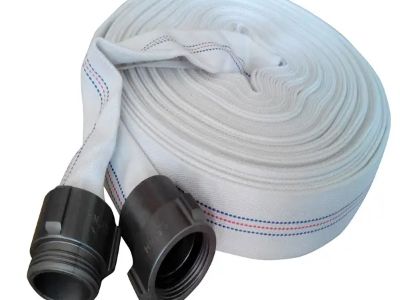
Understanding the impact of bend radius is crucial when specifying industrial fire hose. The bend radius affects the hose's performance, longevity, and overall suitability for various applications. For B2B buyers such as purchasing managers, distributors, and engineers, knowing the implications of bend radius helps in making informed decisions that ensure safety and efficiency in fire protection systems. This article will delve into why bend radius matters, guiding you through its significance and related considerations.
Choosing the Right Bend Radius for Your Fire Hose Applications
The bend radius of a fire hose is the minimum radius that the hose can bend without compromising its structural integrity. Selecting the right bend radius is essential to prevent kinks or twists that could restrict water flow, leading to potential malfunctions during use. A hose with a larger bend radius is less likely to experience damage and can maintain optimal flow rates.
When specifying hoses for applications such as firefighting or industrial use, consider the environment where the hose will be deployed. For instance, tight spaces may require hoses with a smaller bend radius, but it's crucial to balance this with the risk of damage. Fire hoses manufactured by Jiangsu Nantong Longtao Fire-Hose Group Co., Ltd. can be customized to meet specific bend radius requirements, ensuring compatibility with various operational conditions.
Common Problems Related to Bend Radius in Fire Hose Use
Improper bend radius can lead to several issues during the operation of fire hoses. One of the most common problems is a reduction in water flow caused by kinking. When the hose is bent too sharply, the internal lining can collapse, creating a bottleneck that hinders water delivery. This can be detrimental in emergency situations where every second counts.
Another issue is premature wear and tear. Continuous operation with a hose that has an inappropriate bend radius can lead to material fatigue, resulting in leaks or bursts. Buyers should be vigilant during installation and usage, regularly inspecting hoses for signs of wear and ensuring they are not subjected to excessive bending.
To mitigate these issues, it is advisable to conduct thorough testing of hoses under real-world conditions. Jiangsu Nantong Longtao employs quality control processes that include stress testing to ensure that their hoses can withstand the rigors of various applications, thus providing added assurance to buyers.
How Bend Radius Affects Fire Hose Pricing
Bend radius can directly influence the pricing of fire hoses. Hoses designed for tighter bends often require specialized materials or manufacturing processes, which can elevate costs. Additionally, custom bend radius specifications may lead to increased production times and minimum order quantities (MOQs), impacting overall pricing structures.
When evaluating fire hoses, buyers should consider their specific needs and the environments in which the hoses will operate. While it may be tempting to choose a lower-priced option, the cost should be weighed against the potential risk of inadequate performance or safety hazards.
Investing in a hose with a suitable bend radius may lead to lower long-term costs by reducing the frequency of replacements and maintenance. Jiangsu Nantong Longtao offers a range of hoses that balance affordability with performance, ensuring customers receive value for their investment.
The Role of Bend Radius in Selection
When selecting a fire hose, the bend radius is one of several critical specifications that should be evaluated. The physical characteristics of the hose, including its diameter, material composition, and operational environment, all play a role in determining the appropriate bend radius.
For example, hoses intended for high-pressure applications may require a larger bend radius to maintain structural integrity under stress. Conversely, hoses used in less demanding environments might afford more flexibility in bend radius specifications.
Buyers should collaborate closely with manufacturers to communicate their operational requirements and expected performance levels. Jiangsu Nantong Longtao’s experienced team can provide insights into the optimal specifications for your application, helping to ensure that the selected hose meets performance and safety standards.
Where to Source Quality Fire Hoses with Optimal Bend Radius
Finding a reliable supplier for Fire Hose Reel that meet specific bend radius requirements is crucial for ensuring safety and effectiveness. Jiangsu Nantong Longtao Fire-Hose Group Co., Ltd. stands out in the market due to its commitment to quality-first principles and extensive manufacturing capabilities.
When sourcing hoses, buyers should inquire about the manufacturer’s experience, quality control processes, and customization options. It is also beneficial to request samples to evaluate the hose's performance under actual operating conditions before committing to larger orders.
In addition, consider the manufacturer's track record in export markets such as the US and Germany, which can be indicative of their product quality and adherence to international standards. Building a strong relationship with a reputable supplier can lead to better pricing, reliable delivery times, and enhanced support for your fire protection needs.
By focusing on the implications of bend radius, B2B buyers can make more informed decisions when specifying industrial fire hoses, ultimately enhancing safety and performance in critical applications.
