
 EN
EN
 AR
AR
 FR
FR
 DE
DE
 KO
KO
 CS
CS
 DA
DA
 NL
NL
 FI
FI
 EL
EL
 IT
IT
 JA
JA
 NO
NO
 PL
PL
 PT
PT
 RO
RO
 RU
RU
 ES
ES
 SV
SV
 TL
TL
 IW
IW
 ID
ID
 LV
LV
 LT
LT
 SR
SR
 SK
SK
 SL
SL
 UK
UK
 SQ
SQ
 ET
ET
 HU
HU
 TH
TH
 TR
TR
 FA
FA
 AF
AF
 IS
IS
 MK
MK
 KA
KA
 UR
UR
 BN
BN
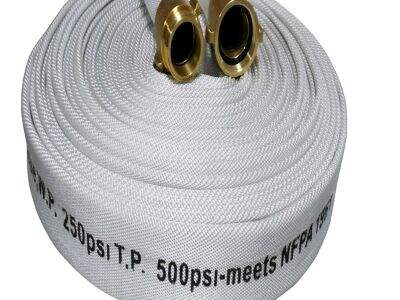
Hoses are extremely vital tools for extinguishing fire. They help transport water from a fire truck or hydrant to the fire. All fire hoses, however, are not created equal. They can be either rubber, PVC or canvas type. As always, there are pros and cons to each material. But when you need a hose for more demanding situations, the choice of material makes a huge difference. Longtao labors to build up fire hoses which are tough and dependable. We want to help you make sense of why rubber, PVC and canvas fire hoses are different as well as what makes each one be the best tool for certain jobs. That way, you can choose the best hose for your needs
Why Fire Brigade Rubber Hoses are the Best Solution for High Pressure
Rubber fire hoses do have some special properties that makes them great for high-pressure use. One of the major reasons is that rubber can be stretched without breaking. Perhaps the balloon analogy is applicable: a situation in which you blow up - or inflate - Balloon and doesn’t explode immediately. Rubber hoses work sort of that way. When the water is coming through fast and strong, you need the hose to stand up to all that flow without bursting. Natural rubber can handle that pressure because it is so flexible. At Longtao, we understand that fire hoses need to stay strong even in high-water-pressure situations. Rubber is also resistant to the cold. This is significant since firefighters might be required to work in cold, wintery conditions. Another factor is that pneumatic fire hoses are more likely to withstand the cuts of sharp objects than those made from another material. Hoses can get holes or tear if there is constant scraping against rough surfaces or sharp edges. It would be nice if rubber were more resilient in that sense. It is also impervious to chemicals and oils, which you may want in areas with fires or industrial settings. One time, the customer told us after their rubber hose was bitten by some oil and chemicals, it remained working well, but the old canvas hose got ruined soon. Rubber fire hoses can be heavier than other types, but there is some strength in that and the thickness of it tends to weigh you while working. Firefighters need to have confidence in their equipment, and rubber hoses frequently inspire it. Because Longtao cares about quality, our rubber hoses are tested to ensure they don’t leak or explode under high pressure. Even if rubber twists or bends, it’s resilient enough to ensure that water will flow through. This is part of the reason why many fire departments use rubber hoses for their heavy-duty work when pressure is extremely high
How does PVC compare to Rubber and Canvas in Fire Hose Lifespan
PVC fire hoses are common as well, yet they perform differently than those made of rubber or canvas. PVC is plastic, so it feels lighter and sometimes stiffer. PVC hoses are popular because they don’t weigh as much as a rubber hose. They are, therefore, easier to transport and to use at times when firefighters must be nimble. But PVC has some limits when it comes to durability. For instance, PVC can shatter if it is bent too far or simply if it gets very cold. I do not have a laboratory, so I cannot say if it will become brittle and break in freezing temperatures. Longtao learned that PVC hoses are most effective in environments where weather is mild and the hose doesn’t bend quite as sharply. Another interesting thing about PVC is that it really doesn’t stretch like rubber does. PVC hoses may not do as well with sudden changes in water pressure. Eventually it can create small cracks or leaks. Yet, PVC hoses are immune to some chemicals and dirt unlike canvas hoses. Canvas hoses are woven from fibers, much like a sturdy fabric. Canvas is water absorbent and hoses can sometimes be heavier when wet. It can also mold or mildew if not properly dried. PVC doesn't soak up water, so it will remain lighter and cleaner even when submerged. But canvas hoses also have their own strengths. They are super flexible and roll up really well. Which means firefighters can easily store and transport canvas hoses. Canvas hoses also hold up against abrasions, so when you rub them over rough surfaces they don’t break apart easily. Nevertheless, Longtao believes that PVC hoses offer a good middle ground. They are less costly than rubber hoses and lighter than canvas when wet. But if you want a hose that will endure many years of brutal weather, PVC might not be your best choice. PVC works well for spots where hoses are used only occasionally or in dry conditions. Longtao customizes materials to each hose so it is a good fit for different fire teams. PVC, rubber, and canvas are materials to consider when purchasing hoses for specific applications
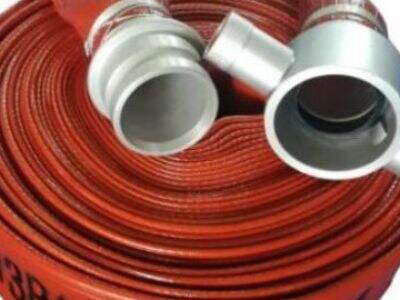
How to prevent the quality of the canvas fire hose from decreasing
Canvas fire hoses are among the oldest types of fire hoses and are present in many locations even today. They are constructed of woven material, so they are sturdy but flexible. Canvas hoses, if not properly tended too, can present a few issues, however. One problem is that canvas hoses tend to soak up water and dirt with ease. When they get wet, they are heavy and may take a long time to dry. This can result in the growth of mold and mildew inside the hose, which can cause foul odors and also weaken the hose. To prevent this, you must always drain all the water from a woven hose and hang it in a dry, sunny spot after use. This enables it to dry more quickly and prevents mold from forming
Another drawback to canvas fire hoses is that they can be ruined by rough surfaces or sharp objects. Note that fabric can potentially tear or wear out when dragged over rocks or sharp objects. In order to avoid this, firefighters should attempt to keep the hose off abrasive surfaces and check it regularly for cuts or holes. If small holes develop they need to be repaired sooner rather than later to prevent further damage. The hose can also be kept from twisting or cracking by rolling it mindfully after use
And canvas hoses will also become very stiff once they age, or are kept somewhere too warm (or cold). This rigidity causes the hose to be more difficult to handle during an emergency. Longtao suggests storing canvas hoses in a cool, dry place so they remain malleable and ready for deployment. Simple enough! And if these basic steps of drying, caring and storing are followed consistently it means that whenever an emergency does arise you’re canvas fire hose is good to go
Where to Get Fire Hose in Bulk that is Highest Quality and Price
When you are going to purchase fire hose materials in bulk, you need to make sure that you can find a good quality at a fair price. Purchasing in greater quantity can also save you money, because that means you’re receiving more material at one time. But it is also important to pick materials that are strong, safe and can last in the long run. Longtao for Environment is a suitable destination when you want to purchase fire hose materials in bulk, because the price is affordable and quality high. Longtao ensures their hoses meet stringent safety standards and perform well in actual firefighting
When searching for bulk fire hose material, consider the type of hose you require. Each of rubber, PVC and canvas has long been known for serving a different purpose. Rubber hoses are bulky but super tough and can withstand high pressure. PVC hoses are lighter and chemical resistant. Canvas hoses are uncomfortable and require careful handling. All of these types are available at Longtao, so you can choose as per your needs
Another key to success is speed of material delivery after ordering. Longtao has a strong supply chain, so they can get products out fast. This is useful to have if you have a large order or need materials quickly for an emergency
Second, purchasing in bulk from a single reliable purveyor such as Longtao means you have someone to turn to when you need advice or support. They can also advise you on what type of hose material is right for your needs, as well as answer any questions about care and use. This will ensure you are getting the best value for your money and have dependable hoses when it counts
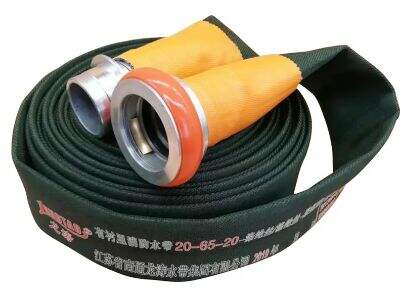
What Are the Factors Affecting the Fire Hose Material Performance Needs in Various Scenarios
Fire hoses need to function in many different conditions, and their material can impact how effectively they do so. Fire hose material performance is subject to heat, water pressure, weight and flexibility. Knowing these can assist firefighters in selecting the right hose for each task. Longtao’s materials for fire hose production are designed to stand up in these situations but still, knowledge of different material performance is critical
Heat is another great enemy of fire hoses. Hoses on the front lines of fires can get very hot. Because rubber hoses can endure high temperatures without melting or breaking, they have become a common part used in certain very hot setups. PVC tubings are not as heat-resistant, so they should be used in cooler conditions. Canvas hoses can be cooked, cracked or worn by heat if they become too dry or old, so are not considered a first choice for very hot fires
Pressure of the water is also very important. Fire hoses have to be able to transport water at high velocity in order to extinguish fires as fast as possible. Most rubber hoses can withstand the pressure of a heavy water flow without bursting. PVC hoses can also carry a decent pressure, but are best for low-pressure applications. Canvas hoses are pretty tough; however, high utilized too often under tremendous pressure can weaken them
For firefighters who must move fast, weight and flexibility matter. PVC hoses are lighter and easier for firefighters to carry, making it possible for them to run or climb stairs. The rubber hoses are also heavier yet still malleable to work with effectively. CanvadiseI hoses are very supple but if not properly attended may become hard
Firefighters have to choose the hose they believe best fits their specific firefighting conditions. Longtao sells all of these materials, and advises customers which hose to use, depending on the fire, weather or job at hand. Fire Hose Material The right fire hose material can make all the difference for firefighters who are working to protect people and property safely and effectively
Table of Contents
- Why Fire Brigade Rubber Hoses are the Best Solution for High Pressure
- How does PVC compare to Rubber and Canvas in Fire Hose Lifespan
- How to prevent the quality of the canvas fire hose from decreasing
- Where to Get Fire Hose in Bulk that is Highest Quality and Price
- What Are the Factors Affecting the Fire Hose Material Performance Needs in Various Scenarios