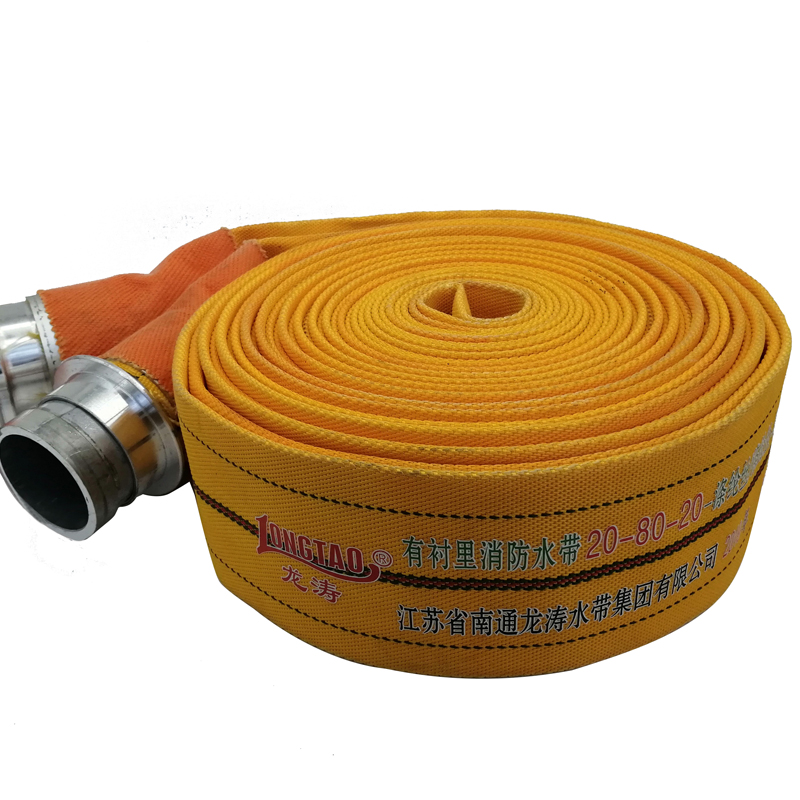
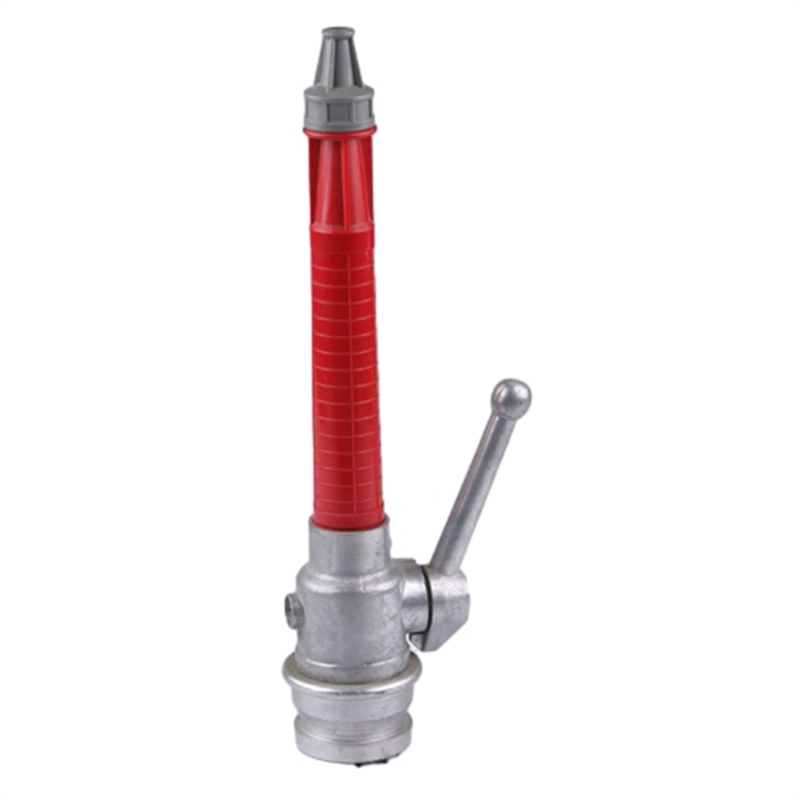
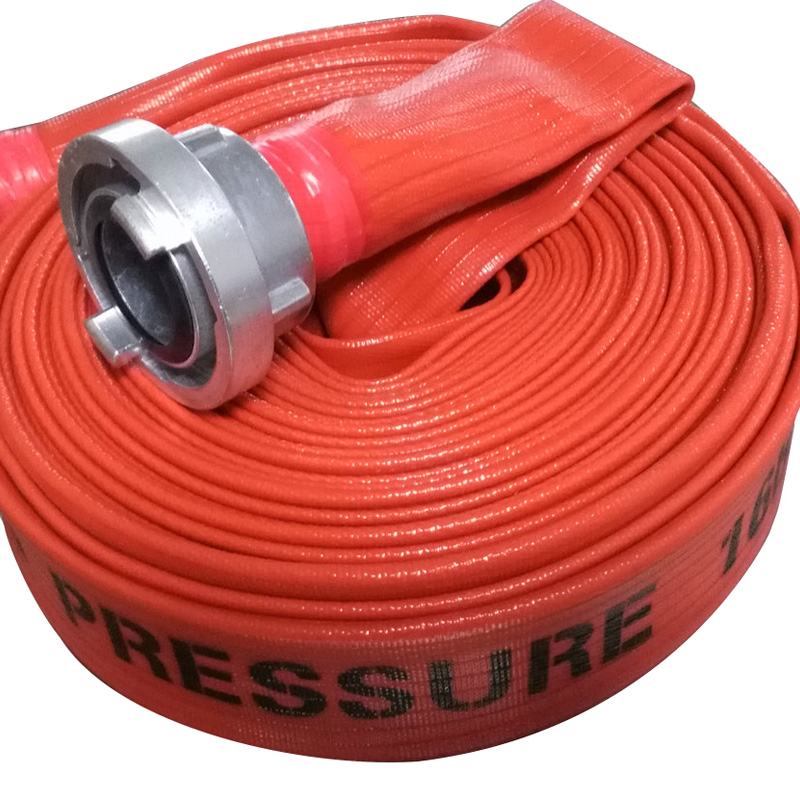
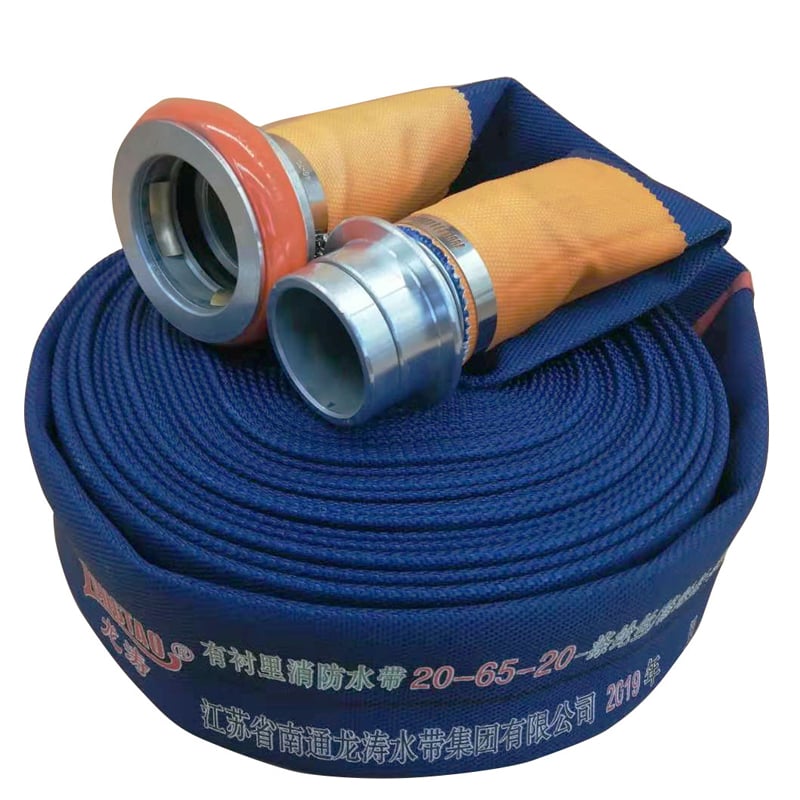
Stainless steel garden hoses are becoming increasingly popular among both residential and commercial users due to their durability and resistance to wear and tear. For B2B buyers, such as purchasing managers or distributors, understanding the specific requirements and benefits of these hoses is crucial in making informed decisions. This article will delve into the key considerations for selecting stainless steel garden hoses, sourcing options, specifications to compare, common issues, and the advantages of using stainless steel in expandable garden hose manufacturing.
When selecting a longtao stainless steel garden hose, buyers should consider several factors that influence performance and durability. First, assess the length and diameter of the hose required for your specific application. Standard diameters range from 3/4 inch to 1 inch, while lengths can vary from 25 feet to 100 feet, depending on the intended use, whether for residential gardening or commercial landscaping.
Another key consideration is the type of fittings and connectors. Ensure that the hose is compatible with your existing watering systems or equipment. Common fittings include standard garden hose threads and quick-connect systems. Additionally, look for hoses with crush-proof fittings to withstand heavy use in industrial or commercial environments.
Finally, consider the pressure rating of the hose. Higher pressure ratings are essential for commercial applications where water pressure may vary significantly. Always verify that the hose meets the pressure requirements of your specific usage scenario.
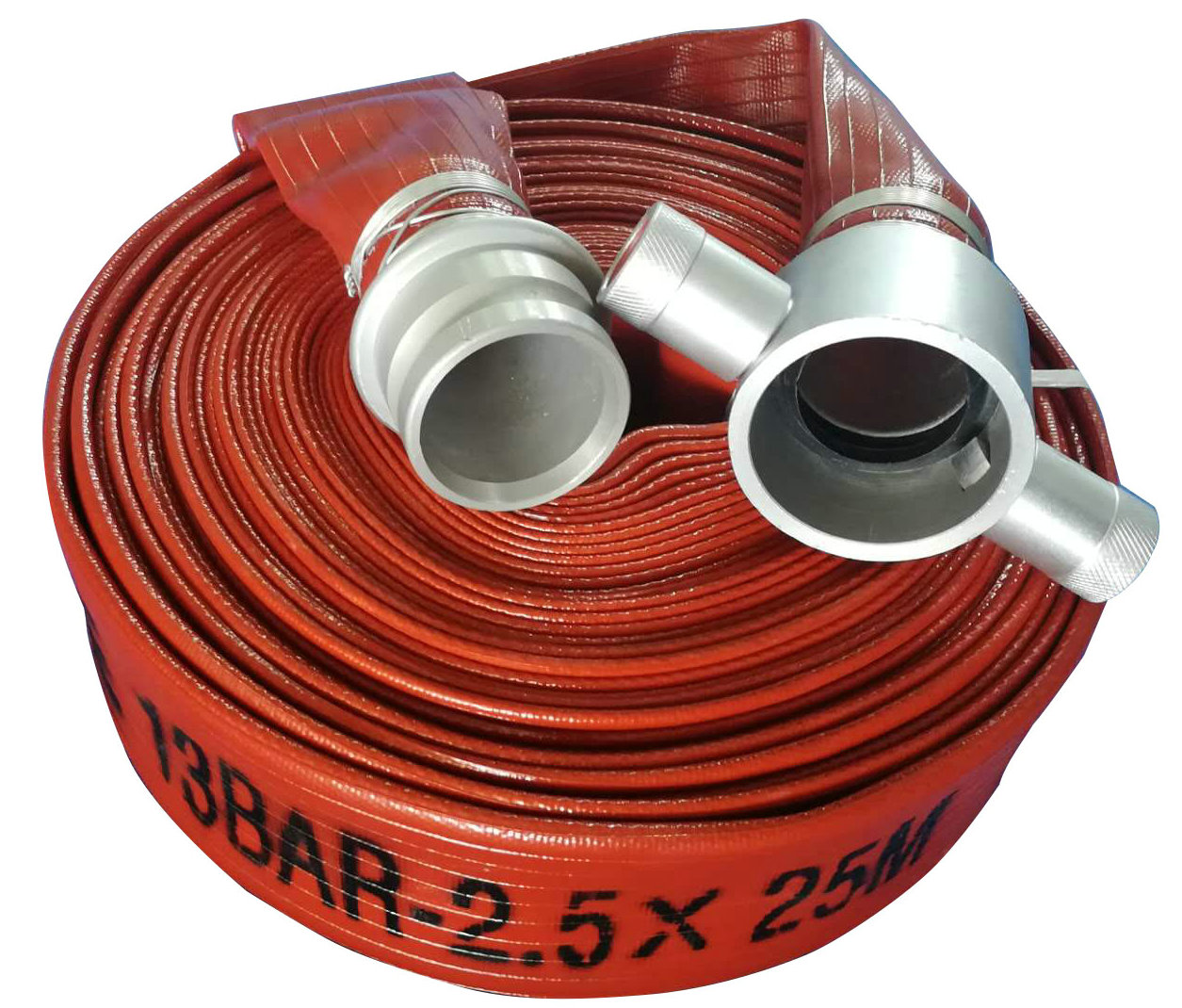
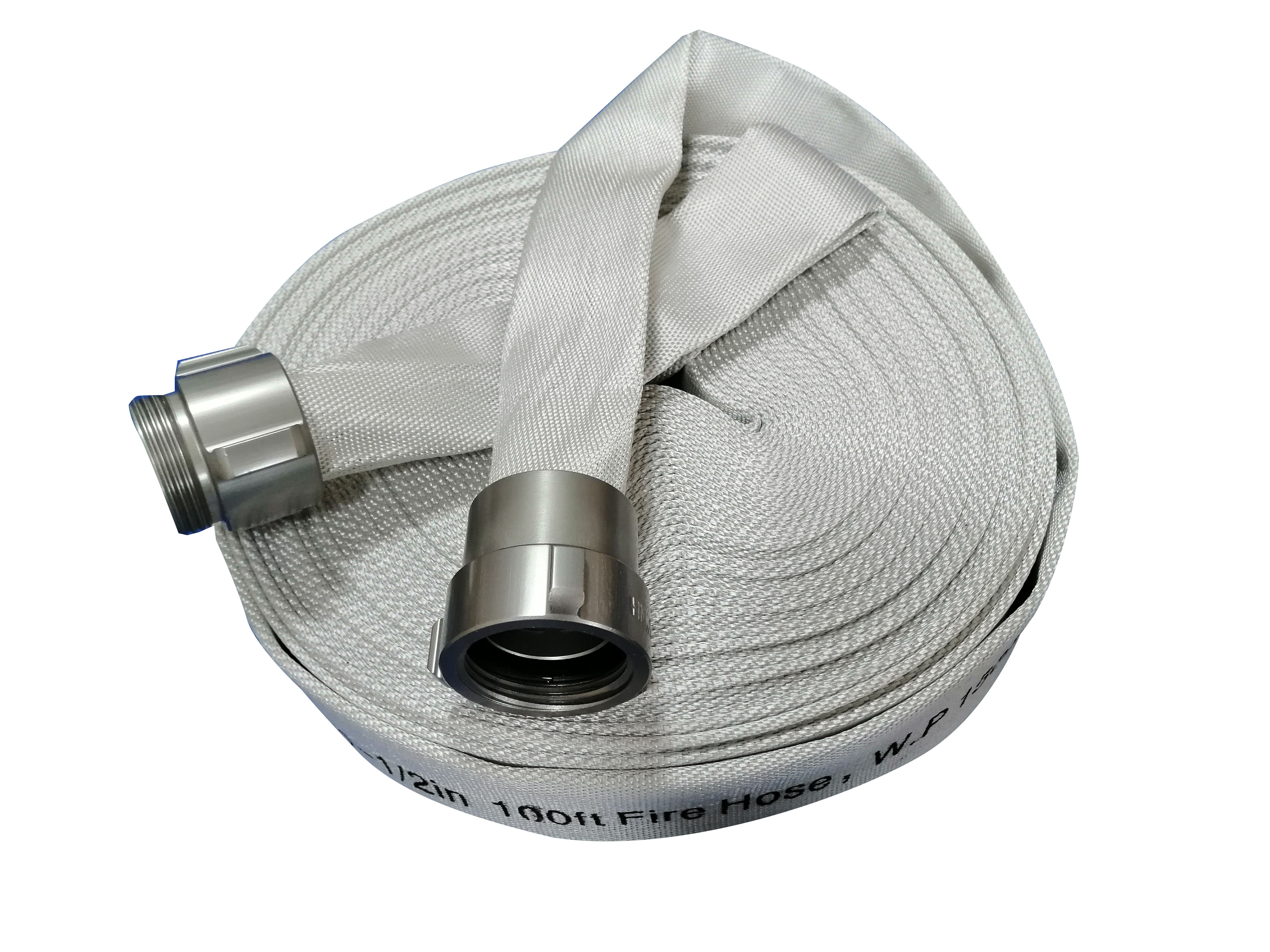
Sourcing wholesale stainless steel garden hoses can be streamlined through a few key strategies. First, consider reaching out to manufacturers directly, such as Jiangsu Nantong Longtao Fire-Hose Group Co., Ltd., which specializes in manufacturing various types of hoses including 100 foot expandable garden hose. Engaging with manufacturers allows you to negotiate pricing, minimum order quantities (MOQ), and customization options that can enhance your product offering.
Another effective sourcing method is to attend industry trade shows and exhibitions. These events provide opportunities to connect with multiple suppliers, compare products on-site, and discuss specifications directly with manufacturers. Networking at these events can lead to valuable partnerships and insights into market trends.
Online marketplaces and industry-specific directories also serve as useful resources. However, when using these platforms, ensure you verify supplier credentials and seek out reviews or testimonials to gauge reliability and product quality.
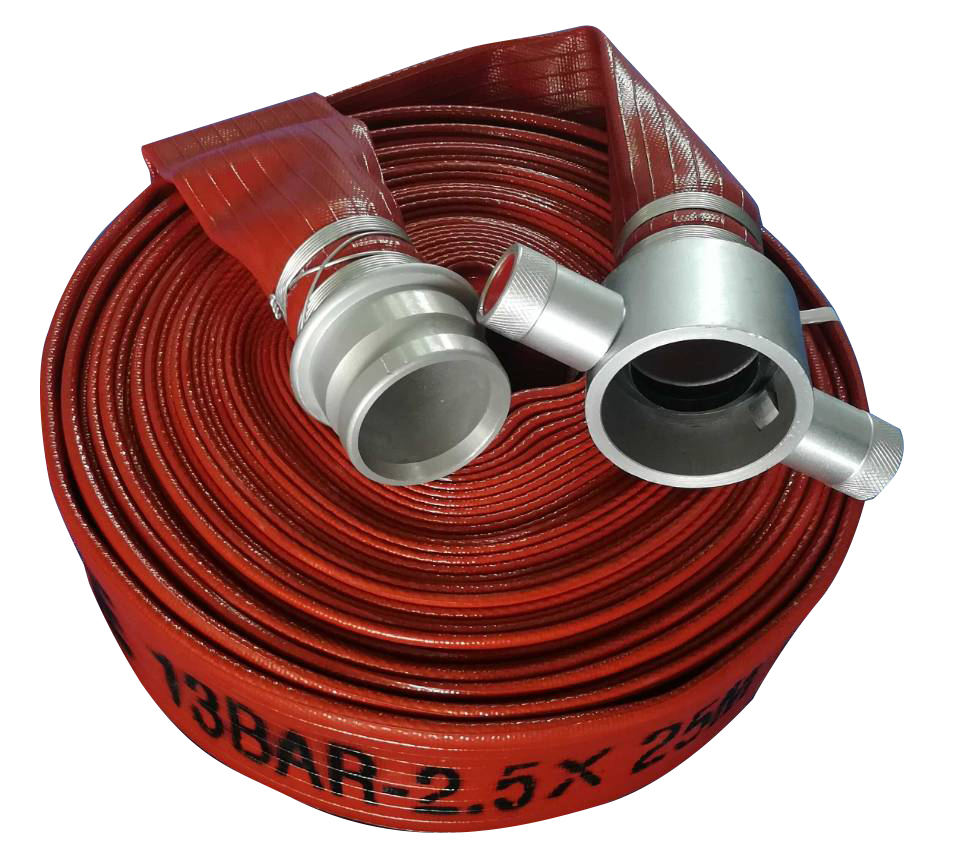
When evaluating stainless steel garden hoses, several specifications warrant careful comparison:
Material Composition: High-grade stainless steel provides better corrosion resistance and durability. Look for hoses made from 304 or 316 stainless steel, as these grades offer optimal protection against rust and wear.
Thickness and Reinforcement: The hose wall thickness affects its flexibility and durability. Thicker walls typically resist kinks and punctures better. Reinforcement layers, such as braided structures, can enhance strength.
Temperature Resistance: Depending on the application, ensure the hose can handle the temperature extremes it will be exposed to. Some hoses are designed to withstand high-pressure hot water, while others are suited for cold applications.
Weight: Stainless steel hoses can vary in weight. While lighter hoses may be easier to handle, heavier hoses often indicate a more robust construction that withstands wear.
Warranty: A solid warranty can provide peace of mind regarding the hose's longevity and performance. Look for manufacturers that stand behind their products with comprehensive warranty offerings.
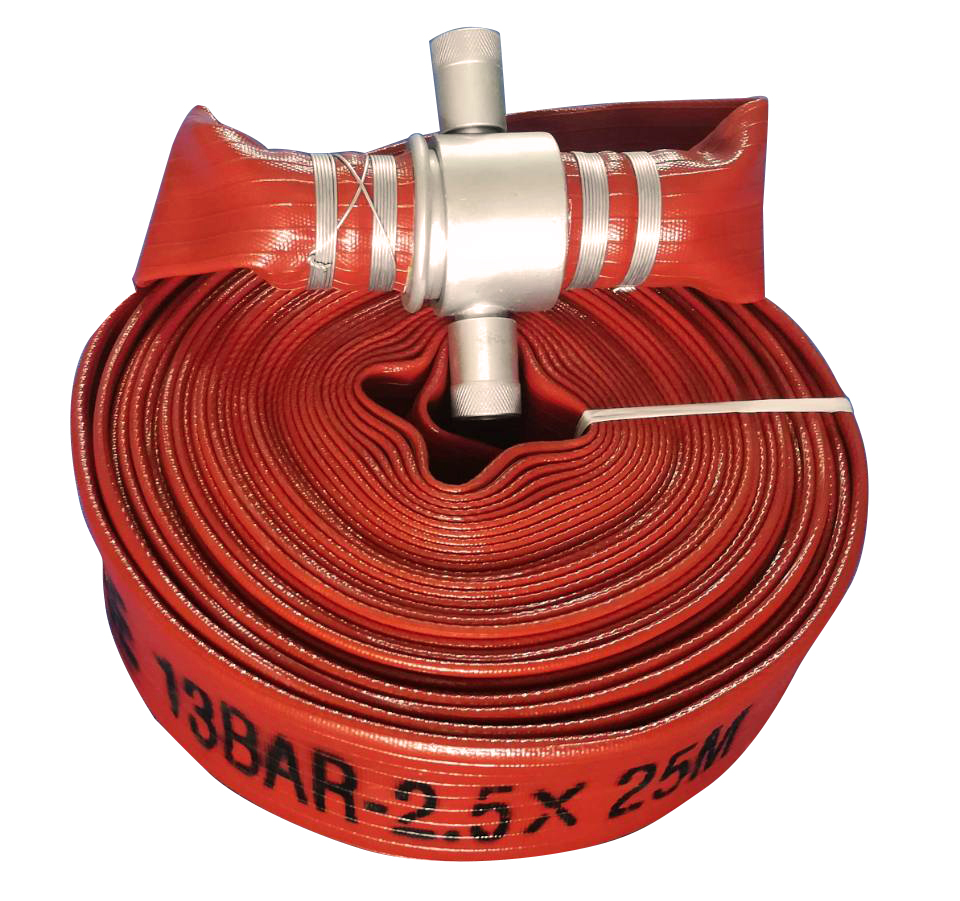
Despite their advantages, longtao stainless steel garden hoses may present some common challenges. Awareness of these issues can help buyers make informed decisions:
Kinking: Although stainless steel hoses are less prone to kinking than traditional rubber hoses, they can still kink if not handled properly. To mitigate this, ensure that the hose is laid out straight and not coiled too tightly during storage.
Heavy Weight: Some users find stainless steel hoses heavier than traditional hoses, which can be cumbersome for prolonged use. Choosing a hose with a lighter construction while retaining durability can alleviate this concern.
Temperature Sensitivity: While stainless steel is generally resistant to temperature fluctuations, exposure to extreme cold can make some hoses brittle. Ensure the selected hose is rated for the temperatures expected in your region.
Connector Corrosion: If not properly maintained, connectors can corrode. Regularly inspect and clean the fittings to extend their lifespan, and consider using stainless steel connectors to complement the hose material.
The company places a strong emphasis on quality, which is fundamental to its survival and success. It is dedicated to the manufacturing, production, and research and development of fire-fighting equipment, including custom-made solutions for domestic and foreign professional fire brigades. The company holds multiple patent certificates for its independently developed intellectual property products, showcasing its innovative capabilities and commitment to advancing fire safety technology.
Jiangsu Nantong Longtao Fire-Hose Group Co., Ltd. is officially recognized by the Ministry of Public Security as a designated enterprise for the production of fire hoses, fire hydrants, and fire boxes. This designation underscores the company's compliance with stringent national standards and its commitment to producing high-quality fire safety equipment. Being a government-designated enterprise also reflects the company's reliability and trustworthiness in the industry.
Jiangsu Nantong Longtao Fire-Hose Group Co., Ltd. has successfully exported its high-quality products to numerous countries, including the United States, Germany, Italy, Russia, South Korea, Japan, Vietnam, and the Middle East. The company adheres to a customer-first philosophy, offering high-quality, cost-effective products and services. Its commitment to honest cooperation and mutual benefit ensures long-term partnerships and a win-win situation for both the company and its clients. This global presence and customer-centric approach highlight the company's ability to compete and thrive in the international market.
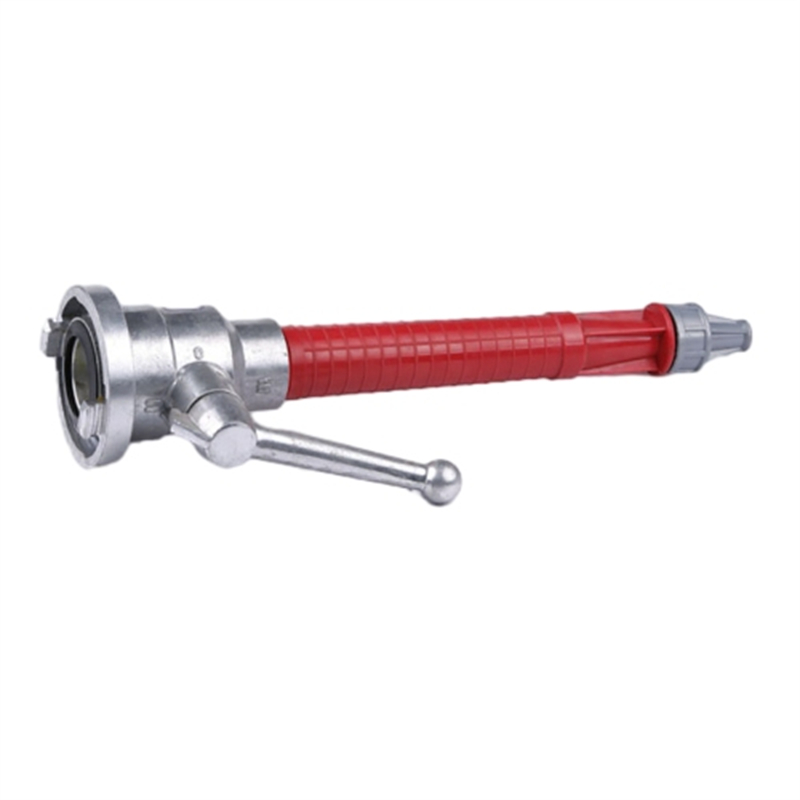
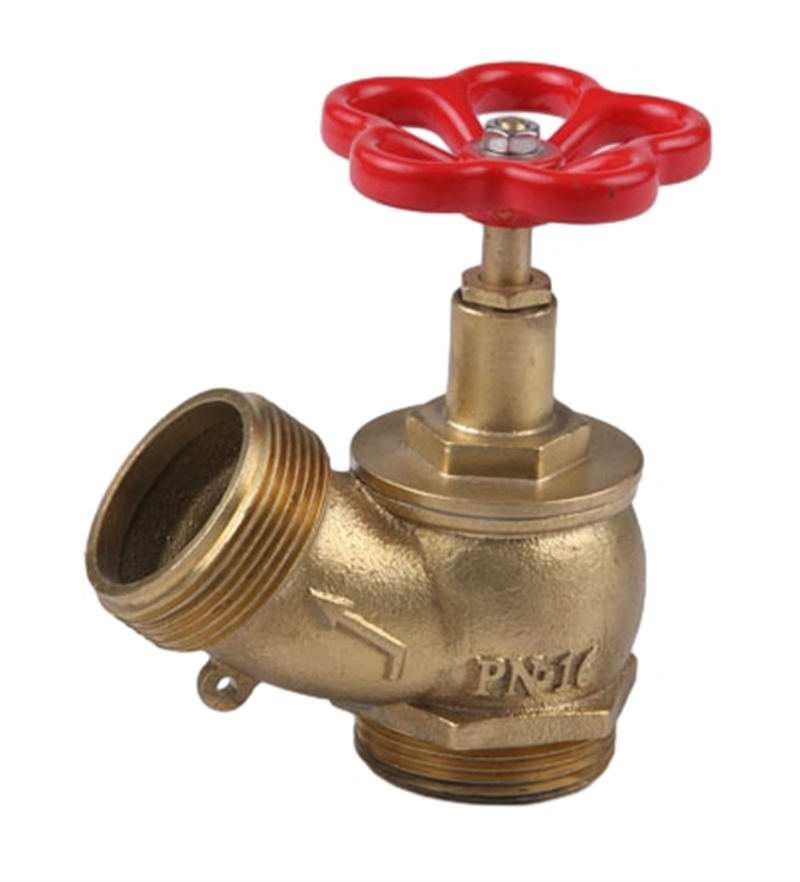
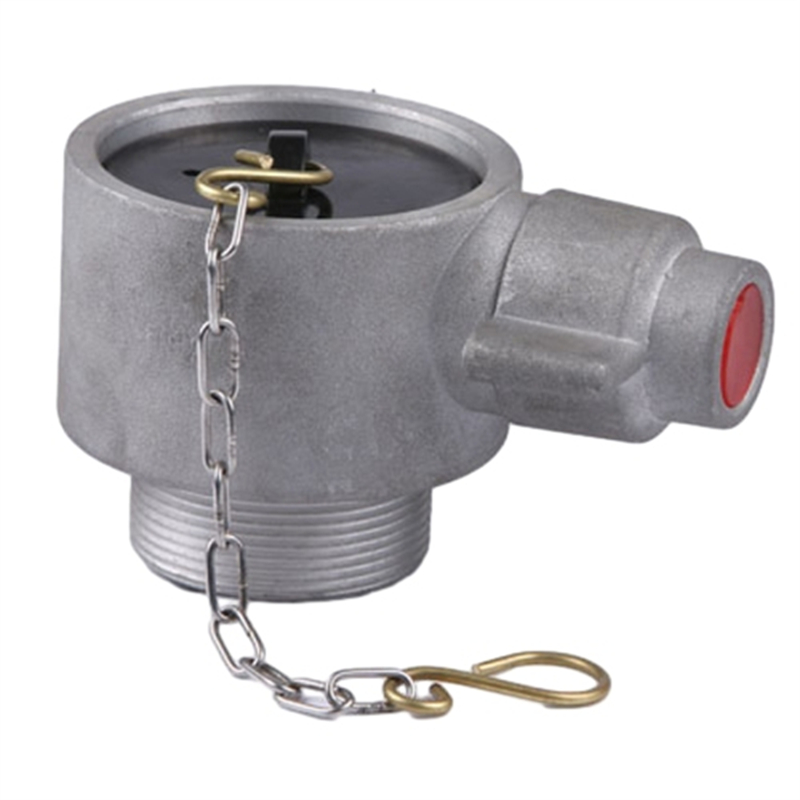
With an annual production capacity of 10 million meters of fire hose and 7,000 sets of fire hydrant boxes, the company demonstrates its ability to meet large-scale demands efficiently. The product range is extensive, including lined fire hoses (single and double jacket), double-coated fire hoses, fire hose reels, plastic-coated hoses, spray fire hoses, garden hoses, and specialized nozzles and couplings that meet various international standards. This diversity allows the company to cater to a wide array of customer needs across different markets.
Stainless steel provides several advantages in garden hose manufacturing that contribute to its growing popularity:
Durability: The inherent strength of stainless steel ensures that hoses can withstand the rigors of daily use without splitting or wearing out quickly, making them a cost-effective choice in the long run.
Corrosion Resistance: Unlike rubber or PVC hoses that are prone to degradation from UV exposure, chemicals, or moisture, stainless steel hoses maintain their integrity in various environmental conditions.
Eco-Friendliness: Stainless steel is recyclable, which aligns with sustainability efforts in manufacturing. Choosing stainless steel hoses can contribute to a company's green initiatives.
Aesthetic Appeal: The sleek, polished finish of stainless steel hoses adds a modern touch to gardening equipment, appealing to customers who prioritize both function and design.
Non-Toxic: Stainless steel is a safe material for transporting water, ensuring no harmful chemicals leach into the water supply, an essential consideration for health-conscious buyers.
By understanding the characteristics and specifications of compact garden hose, B2B buyers can make informed purchasing decisions that align with their operational needs and environmental considerations.

Welcome to Jiangsu Nantong Longtao, we are a leading manufacturer specialize in fire hoses, fire hydrants and fire boxes.
No.888 Renmin South Road, Dayu Town,Rudong County, Nantong City, Jiansu Province
Copyright © EVERBRIGHT FIRE-FIGHTING EQUIPMENT(NANTONG)CO., LTD. All Rights Reserved
 EN
 AR
 FR
 DE
 KO
 CS
 DA
 NL
 FI
 EL
 IT
 JA
 NO
 PL
 PT
 RO
 RU
 ES
 SV
 TL
 IW
 ID
 LV
 LT
 SR
 SK
 SL
 UK
 SQ
 ET
 HU
 TH
 TR
 FA
 AF
 IS
 MK
 KA
 UR
 BN