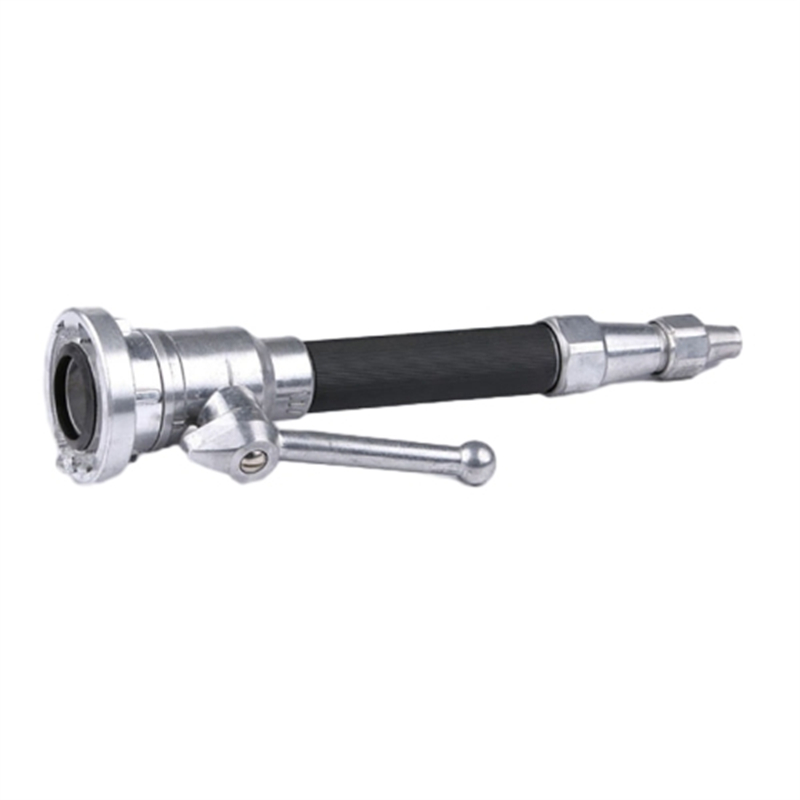
Fireproof blankets are essential safety tools designed to extinguish or contain fires in various environments. As a B2B buyer, understanding the right specifications and features of blanket fire is crucial, especially when considering bulk orders for your organization. This article will guide you through the key considerations, quality evaluation methods, cost factors, best practices, and comparisons of different materials used in fireproof blankets, helping you make informed purchasing decisions.
When selecting a fireproof blanket for bulk orders, it’s important to consider several factors that affect functionality and safety. First, assess the intended application whether for industrial use, commercial kitchens, or personal safety, each environment may require different specifications. Look into the size and weight of the blanket; larger blankets may be more effective for significant fires but can be cumbersome to handle.
Material is another critical consideration. Common materials include fiberglass and wool, each offering different levels of heat resistance and durability. Verify the fire rating and temperature resistance specifications to ensure they meet your operational needs. Additionally, consider the manufacturer's customization capabilities, if specific dimensions or branding are needed, confirm that these options are available.
Finally, confirm the minimum order quantity (MOQ) and lead times for production and delivery. This will help you plan your inventory and ensure timely availability of these vital safety tools.
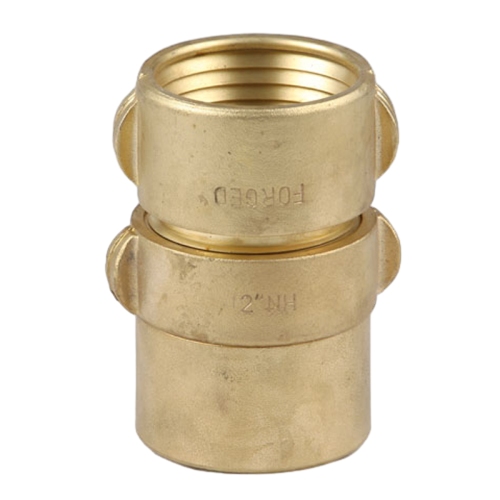
Quality evaluation of fireproof blankets involves several key aspects. Start by reviewing certifications and compliance with safety standards, such as those set by the National Fire Protection Association (NFPA) or other local regulatory bodies. This ensures that the blankets have undergone rigorous testing and meet industry safety requirements.
Next, examine the manufacturing process. A reputable manufacturer, like Jiangsu Nantong Longtao Fire-Hose Group Co., Ltd., employs strict quality control processes to ensure the consistency and reliability of their products. Ask about the materials used in the blankets, fiberglass blankets, for example, should be woven tightly to prevent fraying, while wool options should have a high wool content for better fire resistance.
Request samples to conduct hands-on evaluations. Look for any defects in seams or materials, and test the blanket's effectiveness in simulated use cases. A well-constructed fire safety blanket should exhibit durability and functionality under actual conditions.
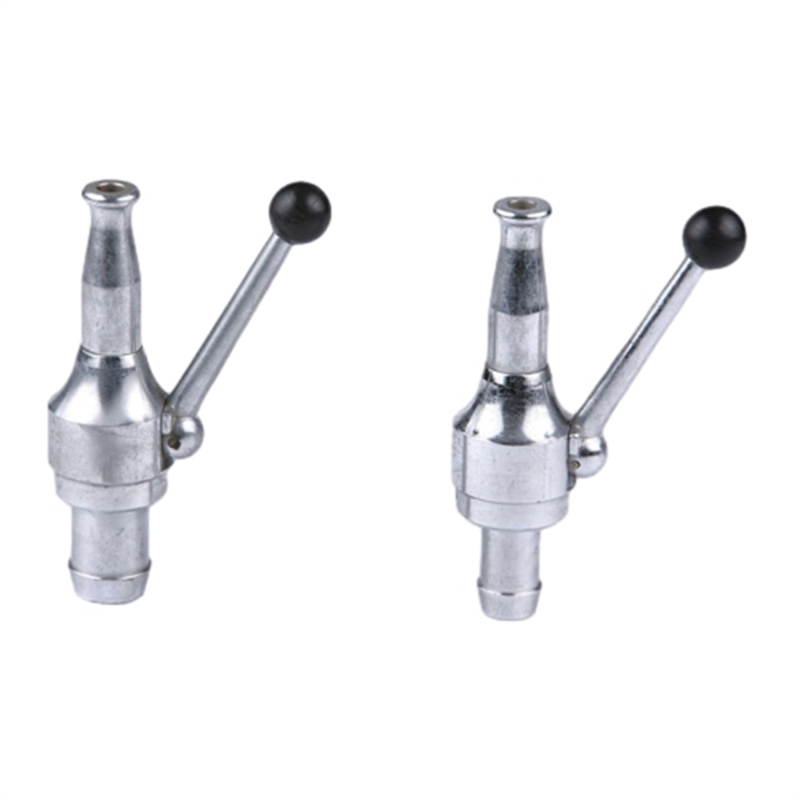
When budgeting for fireproof blankets, several cost factors should be considered. First, the material type significantly influences price; fiberglass options are typically more economical than high-performance wool blankets. Additionally, sourcing materials from different regions can also affect costs due to shipping and import duties.
Customization requests, such as specific sizes, colors, or branding, may incur additional charges. Always clarify these potential costs upfront to avoid surprises later in the procurement process.
Volume discounts are common in B2B purchases, so inquire about pricing structures based on the quantity ordered. This can lead to substantial savings, especially if you are purchasing in bulk. Lastly, consider the long-term value of the best fireproof blanket; investing in higher-quality options may reduce replacement frequency and ensure better safety outcomes, ultimately saving costs over time.
To maximize the effectiveness and longevity of fireproof blankets, follow these best practices:
Training: Ensure that all staff members are trained on the proper use of fireproof blankets, including how to deploy them quickly and safely in an emergency.
Storage: Store blankets in easily accessible locations and away from potential fire hazards. Regularly inspect storage conditions to maintain blanket integrity.
Maintenance: Periodically check the blankets for wear and damage. Replace any that show signs of fraying, discoloration, or other forms of degradation.
Usage: Use fireproof blankets only for their intended purpose; misusing them can lead to ineffective fire suppression or damage to the blanket itself.
Documentation: Keep records of all purchases, including specifications and certification documents, to facilitate future orders and quality checks.
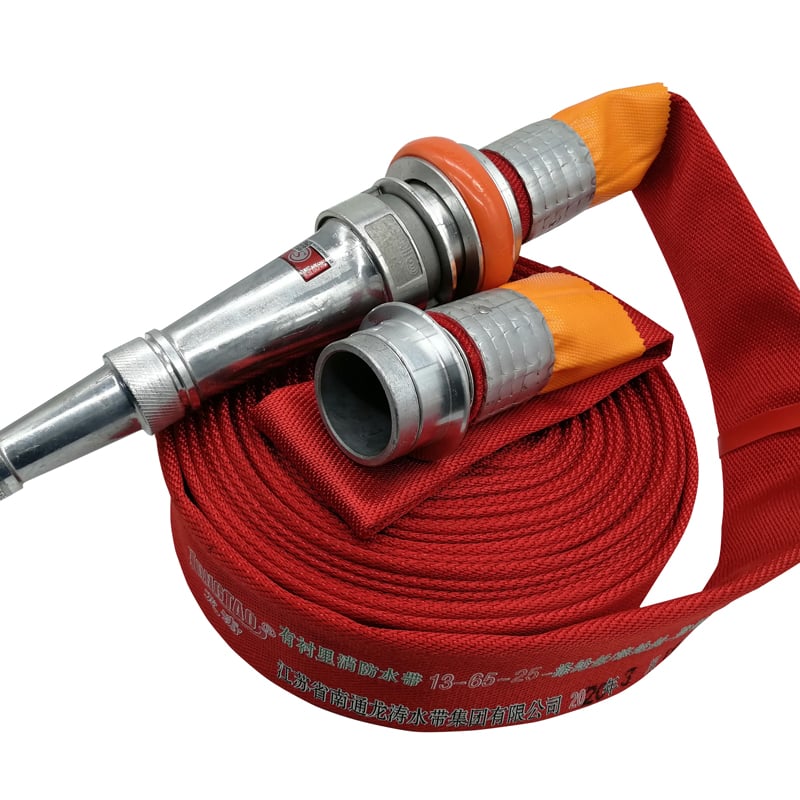
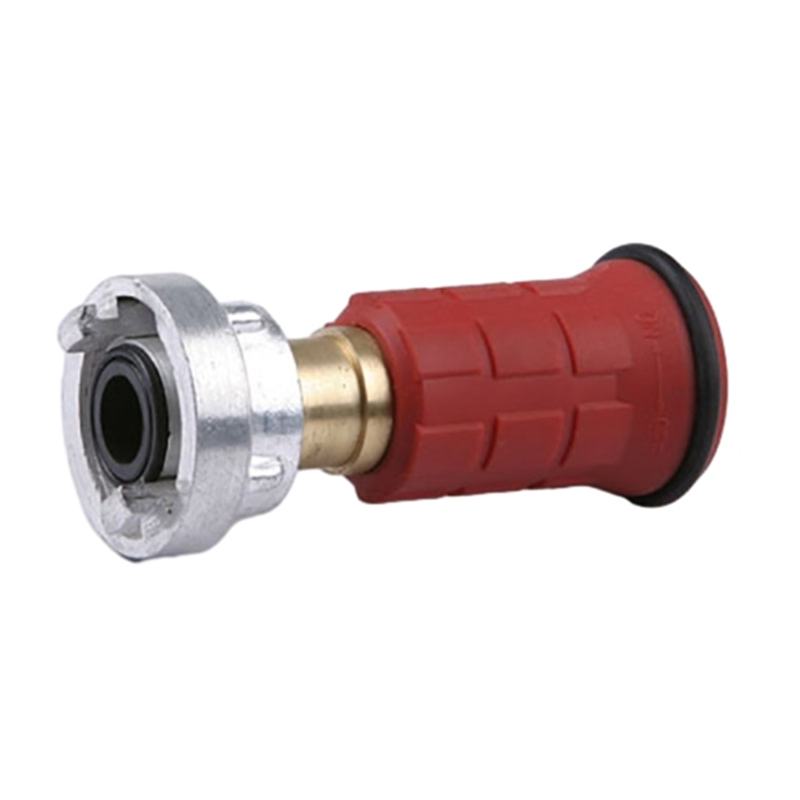
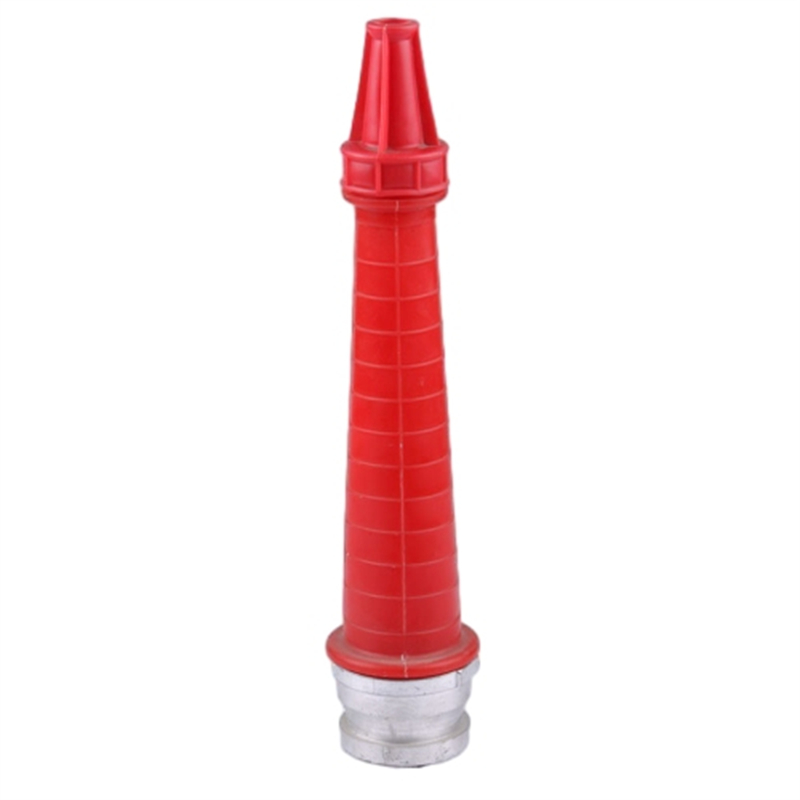
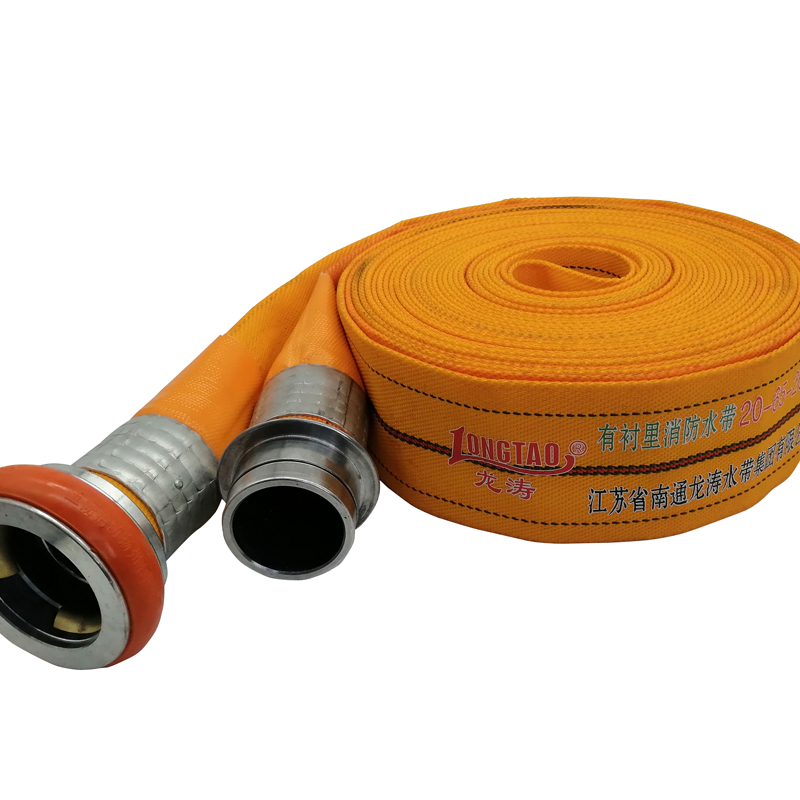
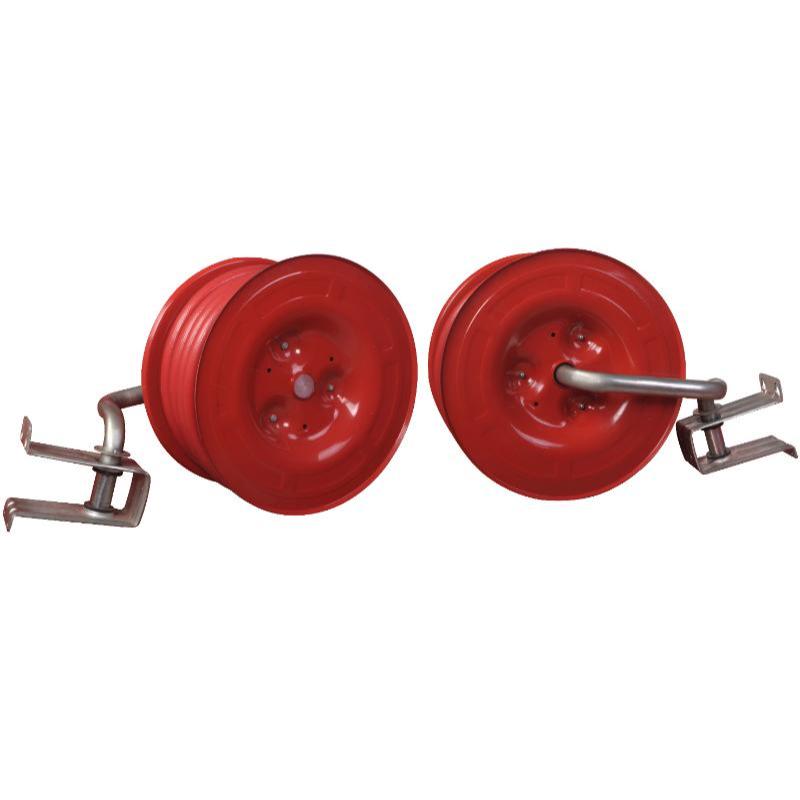
With an annual production capacity of 10 million meters of fire hose and 7,000 sets of fire hydrant boxes, the company demonstrates its ability to meet large-scale demands efficiently. The product range is extensive, including lined fire hoses (single and double jacket), double-coated fire hoses, fire hose reels, plastic-coated hoses, spray fire hoses, garden hoses, and specialized nozzles and couplings that meet various international standards. This diversity allows the company to cater to a wide array of customer needs across different markets.
Jiangsu Nantong Longtao Fire-Hose Group Co., Ltd. is officially recognized by the Ministry of Public Security as a designated enterprise for the production of fire hoses, fire hydrants, and fire boxes. This designation underscores the company's compliance with stringent national standards and its commitment to producing high-quality fire safety equipment. Being a government-designated enterprise also reflects the company's reliability and trustworthiness in the industry.
Jiangsu Nantong Longtao Fire-Hose Group Co., Ltd. has successfully exported its high-quality products to numerous countries, including the United States, Germany, Italy, Russia, South Korea, Japan, Vietnam, and the Middle East. The company adheres to a customer-first philosophy, offering high-quality, cost-effective products and services. Its commitment to honest cooperation and mutual benefit ensures long-term partnerships and a win-win situation for both the company and its clients. This global presence and customer-centric approach highlight the company's ability to compete and thrive in the international market.
The company places a strong emphasis on quality, which is fundamental to its survival and success. It is dedicated to the manufacturing, production, and research and development of fire-fighting equipment, including custom-made solutions for domestic and foreign professional fire brigades. The company holds multiple patent certificates for its independently developed intellectual property products, showcasing its innovative capabilities and commitment to advancing fire safety technology.
When evaluating fireproof blankets, the material plays a crucial role in performance. Here’s a comparison of the most common materials used:
Fiberglass: This material is lightweight, cost-effective, and highly resistant to high temperatures, making it suitable for general use in industrial and commercial settings. Fiberglass blankets typically withstand temperatures up to 1,000°F (537°C).
Wool: Wool fireproof blankets offer excellent insulation and are less flammable than synthetic alternatives. They are ideal for kitchen applications and areas with potential heat exposure, as they can withstand continuous exposure to lower temperatures while still offering safety.
Silicone-coated Fiberglass: This type combines the benefits of fiberglass with a silicone coating, enhancing its durability and heat resistance. It’s suitable for high-temperature applications and offers excellent flexibility.
Aramid fibers: Known for their high strength and heat resistance, aramid fiber blankets are ideal for extreme conditions. They are commonly used in aerospace and military applications but can be more expensive.
Selecting the right material depends on your specific application needs and budget constraints. Always consult with your supplier to ensure that the chosen material aligns with your operational requirements.
By understanding these key considerations, quality indicators, cost factors, best practices, and material comparisons, you will be well-equipped to make informed decisions regarding fireproof blankets, ensuring the safety and efficiency of your operations.

Welcome to Jiangsu Nantong Longtao, we are a leading manufacturer specialize in fire hoses, fire hydrants and fire boxes.
No.888 Renmin South Road, Dayu Town,Rudong County, Nantong City, Jiansu Province
Copyright © EVERBRIGHT FIRE-FIGHTING EQUIPMENT(NANTONG)CO., LTD. All Rights Reserved
 EN
 AR
 FR
 DE
 KO
 CS
 DA
 NL
 FI
 EL
 IT
 JA
 NO
 PL
 PT
 RO
 RU
 ES
 SV
 TL
 IW
 ID
 LV
 LT
 SR
 SK
 SL
 UK
 SQ
 ET
 HU
 TH
 TR
 FA
 AF
 IS
 MK
 KA
 UR
 BN