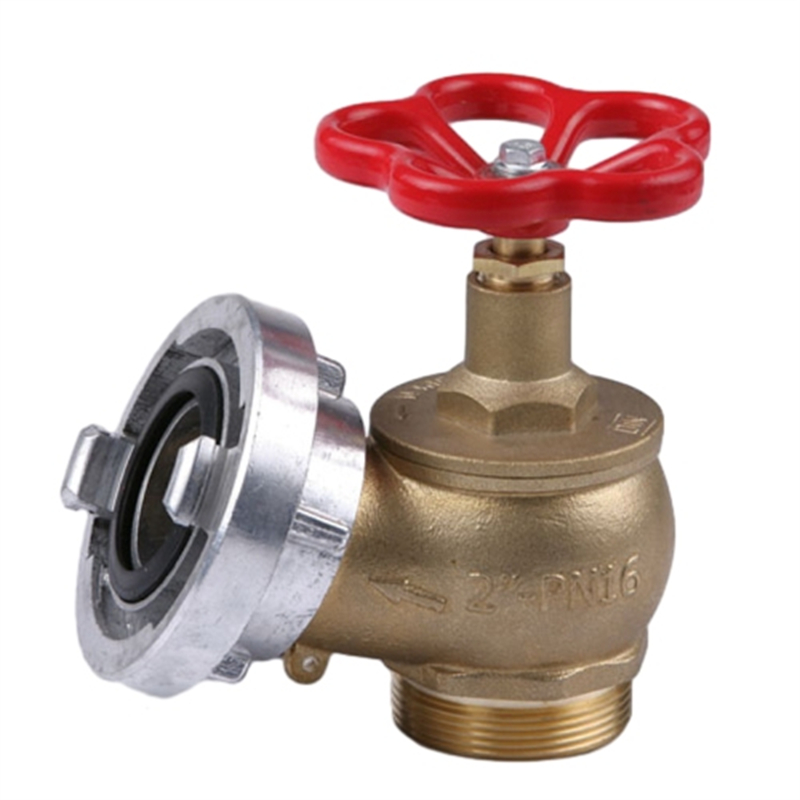
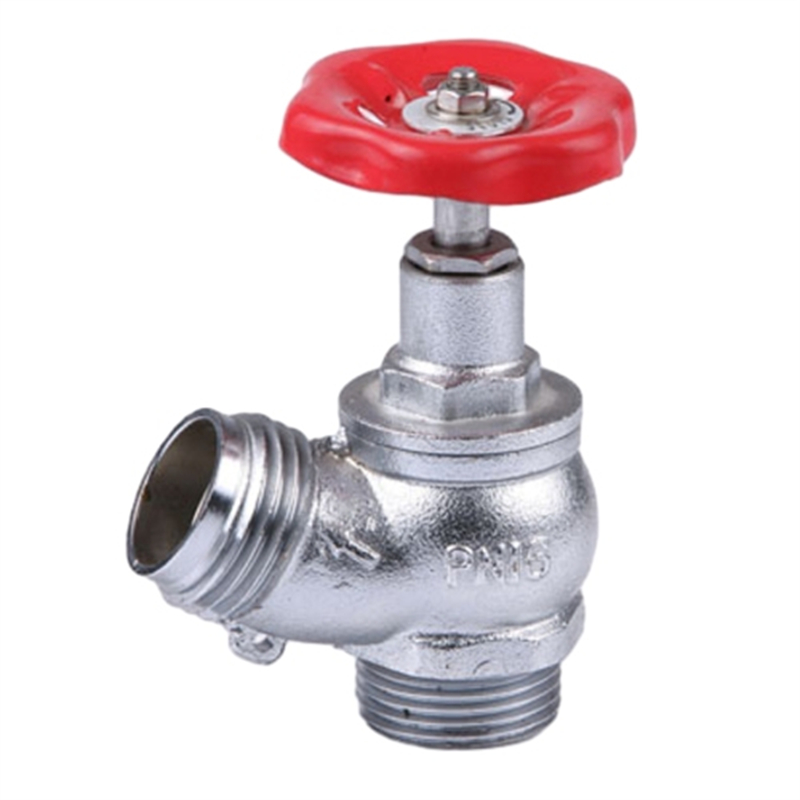
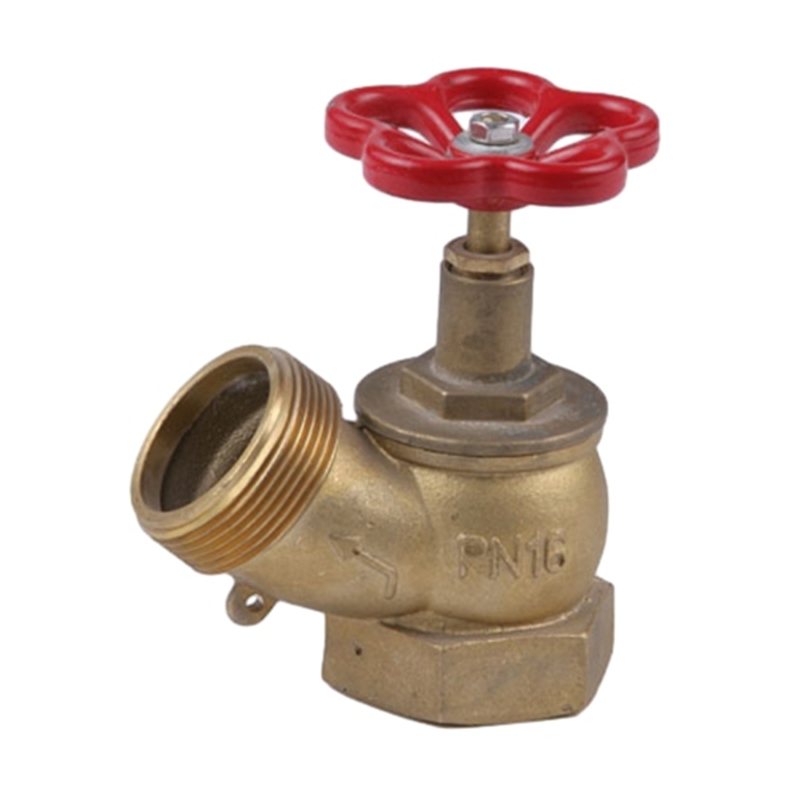
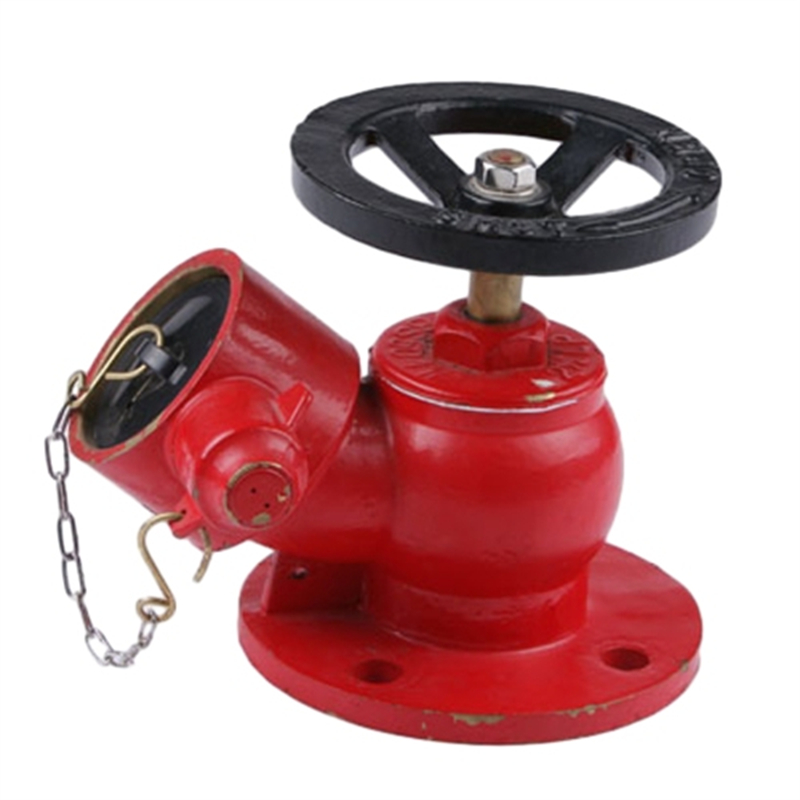
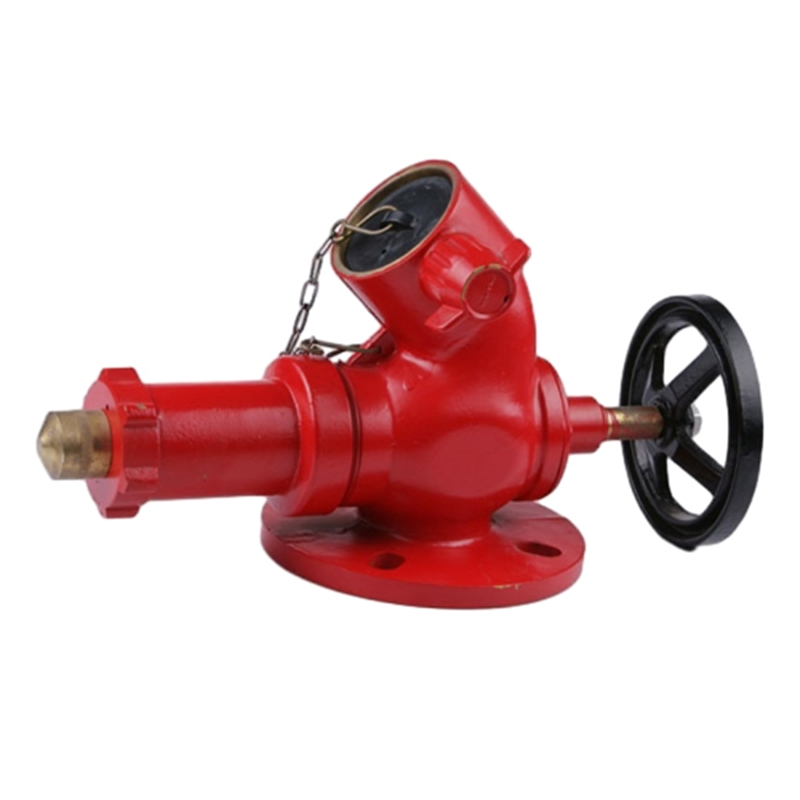
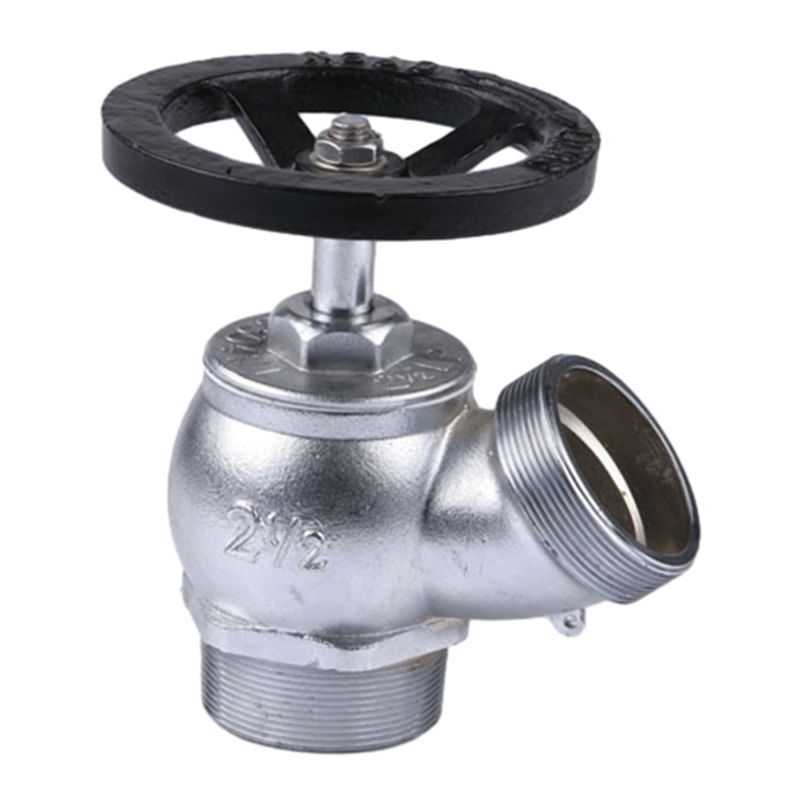
Fire hydrant fire hose systems are critical components in fire safety management, providing rapid access to water in emergencies. For purchasing managers, distributors, and engineers, understanding the specifications and capabilities of fire hose and hydrants can significantly impact operational efficiency and safety. This article aims to clarify essential aspects of fire hydrant fire hoses, including what to look for in suppliers, installation guidance, common issues, and their various applications in industrial contexts.
Choosing a reliable supplier for fire hydrant fire hoses is vital for ensuring quality and performance. Look for manufacturers like Jiangsu Nantong Longtao Fire-Hose Group Co., Ltd., which is recognized by the Ministry of Public Security in China. Such companies typically have substantial production capacities in this case, an annual output of 10 million fire hose meters and 7,000 hydrant boxes which demonstrates their ability to meet large-scale needs while maintaining quality.
A trustworthy supplier should possess independent intellectual property patents, ensuring unique product offerings and compliance with safety standards. Additionally, consider their export experience, as companies that successfully ship to markets like the U.S. and Germany are likely to adhere to strict international regulations and quality control processes.
Finally, assess their customization capabilities. Suppliers who can tailor products to specific requirements, such as different hose lengths or specialized materials, are likely to meet your unique operational needs more effectively.
When evaluating fire hydrant fire hoses, consider key specifications that directly affect performance. Important factors include:
Material: Fire hoses are typically made from high-quality synthetic materials that resist abrasion and withstand high pressures. Double-coated or lined hoses provide additional durability, which is crucial in emergency situations.
Diameter and Length: The diameter of the hose affects water flow rates; common sizes range from 1.5 inches to 5 inches. Length is also vital, as longer hoses can reach more distant fire sources but may impact water pressure.
Pressure Rating: This specification indicates the maximum pressure the hose can handle. Ensure that the pressure rating meets or exceeds the requirements of your fire suppression systems.
Compatibility: Hoses must be compatible with couplings, nozzles, and hydrants in use. Verify if your supplier provides compatible accessories, which can simplify procurement and installation.
Certifications: Look for products that comply with national and international standards. Proper certifications indicate that the portable fire hose have been tested for safety and performance.
Proper installation of fire hydrant hoses is crucial for ensuring optimal performance during emergencies. Here are steps and considerations to facilitate a successful installation:
Site Assessment: Conduct a thorough evaluation of the installation site to determine the best locations for hydrants and hoses. Consider factors like accessibility and proximity to potential fire hazards.
Hose Routing: Plan the routing of hoses to minimize bends and kinks. A straight path improves water flow and reduces wear over time.
Securing Connections: Ensure that all couplings and connections are securely fastened to prevent leaks. Use appropriate sealing methods to maintain pressure integrity.
Testing: After installation, conduct pressure tests to confirm that there are no leaks and that the system functions as intended. Regular maintenance checks should be scheduled to ensure ongoing reliability.
Training: Provide training for personnel on how to operate and maintain fire hydrant systems. Understanding the equipment's functionality can save critical time during an emergency.
Fire hoses may experience various issues that can hinder their effectiveness. Here are some common problems and recommended solutions:
Kinking: Hoses can kink during deployment, restricting water flow. To prevent this, use hoses with a more flexible design and train users on proper handling techniques.
Abrasion and Wear: Continuous use can lead to abrasion, especially in high-friction environments. Consider hoses with reinforced layers or specialized coatings that enhance durability.
Leaks: Over time, wear and tear can cause leaks at couplings or along the hose. Regular inspection and maintenance, including replacing worn or damaged sections, are essential to avoid operational failures.
Temperature Sensitivity: Fire hoses can be affected by extreme temperatures. Ensure that hoses are rated for the expected temperature ranges in your application to prevent material degradation.
Storage Issues: Improper storage can lead to damage. Hoses should be stored in a cool, dry place, ideally on reels that prevent compression and kinking.
With an annual production capacity of 10 million meters of fire hose and 7,000 sets of fire hydrant boxes, the company demonstrates its ability to meet large-scale demands efficiently. The product range is extensive, including lined fire hoses (single and double jacket), double-coated fire hoses, fire hose reels, plastic-coated hoses, spray fire hoses, garden hoses, and specialized nozzles and couplings that meet various international standards. This diversity allows the company to cater to a wide array of customer needs across different markets.
Jiangsu Nantong Longtao Fire-Hose Group Co., Ltd. has successfully exported its high-quality products to numerous countries, including the United States, Germany, Italy, Russia, South Korea, Japan, Vietnam, and the Middle East. The company adheres to a customer-first philosophy, offering high-quality, cost-effective products and services. Its commitment to honest cooperation and mutual benefit ensures long-term partnerships and a win-win situation for both the company and its clients. This global presence and customer-centric approach highlight the company's ability to compete and thrive in the international market.
The company places a strong emphasis on quality, which is fundamental to its survival and success. It is dedicated to the manufacturing, production, and research and development of fire-fighting equipment, including custom-made solutions for domestic and foreign professional fire brigades. The company holds multiple patent certificates for its independently developed intellectual property products, showcasing its innovative capabilities and commitment to advancing fire safety technology.
Jiangsu Nantong Longtao Fire-Hose Group Co., Ltd. is officially recognized by the Ministry of Public Security as a designated enterprise for the production of fire hoses, fire hydrants, and fire boxes. This designation underscores the company's compliance with stringent national standards and its commitment to producing high-quality fire safety equipment. Being a government-designated enterprise also reflects the company's reliability and trustworthiness in the industry.
Fire hydrant fire hoses are versatile and can be applied across various industrial sectors. Here are some specific scenarios:
Manufacturing Facilities: In factories, fire hoses are used to quickly suppress fires caused by equipment malfunctions or chemical spills. Their rapid deployment capability is crucial for minimizing damage.
Warehousing: Large warehouses may require extensive fire hose systems to cover vast areas. Strategically placed hydrants ensure that fire suppression is accessible throughout the facility.
Construction Sites: Fire hydrant hoses are essential in construction, where flammable materials are present. They provide immediate access to water for fire suppression as construction progresses.
Oil and Gas Industries: In these sectors, specialized flexible fire hose designed to withstand corrosive substances and high pressure are crucial for safety and compliance with stringent regulations.
Public Infrastructure: Fire hydrant systems in urban areas must conform to municipal regulations, ensuring that emergency services can access them without obstruction.
Understanding the specifics of fire hydrant fire hoses can help purchasing managers, distributors, and engineers make informed decisions that enhance safety and efficiency in their operations. By evaluating suppliers based on their capabilities, ensuring proper installation, addressing common issues, and recognizing application needs, stakeholders can optimize their fire safety systems effectively.

Welcome to Jiangsu Nantong Longtao, we are a leading manufacturer specialize in fire hoses, fire hydrants and fire boxes.
No.888 Renmin South Road, Dayu Town,Rudong County, Nantong City, Jiansu Province
Copyright © EVERBRIGHT FIRE-FIGHTING EQUIPMENT(NANTONG)CO., LTD. All Rights Reserved
 EN
 AR
 FR
 DE
 KO
 CS
 DA
 NL
 FI
 EL
 IT
 JA
 NO
 PL
 PT
 RO
 RU
 ES
 SV
 TL
 IW
 ID
 LV
 LT
 SR
 SK
 SL
 UK
 SQ
 ET
 HU
 TH
 TR
 FA
 AF
 IS
 MK
 KA
 UR
 BN